
A Roman Funeral Pyre Filled with Gold: Remarkable Discovery in Southwest France
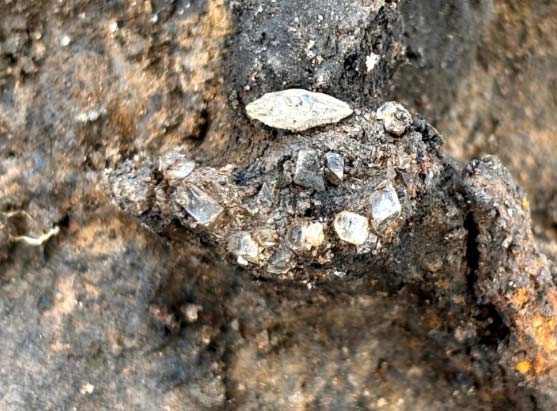
Archaeologists working in the quiet commune of Lamonzie-Saint-Martin in the Dordogne have uncovered one of the most remarkable Roman burials ever found in the region. The site contains a rare 1st to 2nd century AD “bustum” tomb. A bustum is a type of cremation in which the pyre and the burial occupy the same place. This find is exceptional because the tomb contained a wealth of objects including twenty-two gold items, coins, ceramics, a glass flask and personal possessions that once belonged to a member of the provincial elite.
A Glimpse into Roman Provincial Life
Provincial burials in Gaul often show a blend of Roman ritual and local custom. A bustum tomb is particularly unusual because the pyre collapses inward as it burns. This creates a sealed deposit of ash, bone fragments and offerings, which allows archaeologists to study the moment of the cremation with great accuracy.
Among the objects recovered were finely worked gold jewellery, bronze fittings and coins, a beautifully produced glass balsamarium used for perfumed oils, and ceramic vessels that were probably used during the funeral ceremony.
These discoveries reveal the presence of a wealthy and influential family living far from the centre of imperial power. They show how Roman identity could flourish in rural regions and how local communities expressed grief and remembrance in ways that combined tradition with Roman practice.
Why This Matters
Finds like this allow us to understand how Roman culture spread through the provinces. They illustrate the personal stories of people who lived at the edges of the empire and how they adopted Roman customs while maintaining their own heritage. For travellers exploring Roman Gaul, this discovery creates a direct connection to the individuals whose lives shaped the landscape we visit today.
Added: 5th December 2025