The Tank War
The Steel Devils of the Western Front
To be confirmed
The Tank War
The Steel Devils of the Western Front
Tour Introduction
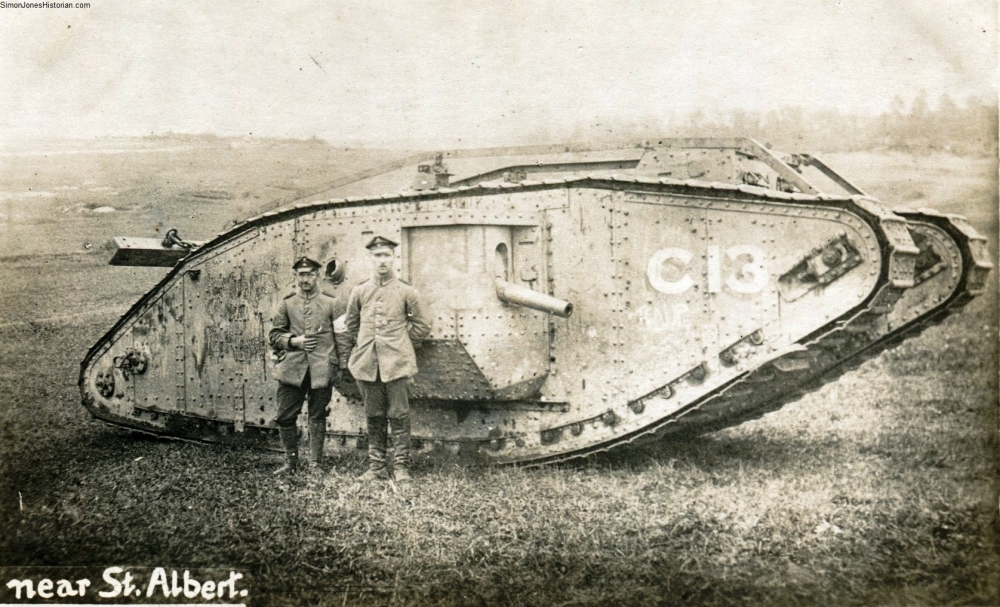
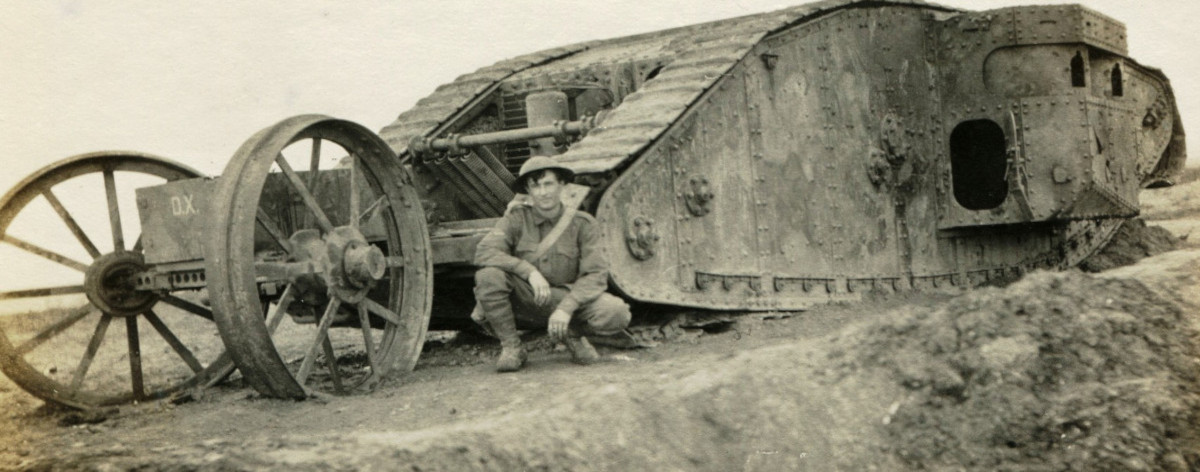
The use of the tank along the Western Front is often subsumed into the narrative of wider tours of the area. However this can detract from the incredible story behind the development of what was to become a potent weapon in the war of movement as the century progressed and the tank became a key component of the German Blitzkrieg strategy of WW2. On this tour we concentrate fully on the use of the tank in the war and show how it soon made frequent appearances in many battles along the Front. From the first appearance of the Mark I at the battle of Flers-Courcelette in September 1916 through to the unexpected tank on tank battle of Villers-Bretonneux in April 1918 this engaging tour explores the development and tactics of tank warfare paying attention to the rich narratives of tank development, the unreliable technology, the lessons learnt from their use, and the punishing terrain over which they were forced to move. We also learn of the men who fought and died in these unwieldy machines, the challenges of operating in confined spaces, the fear of getting stuck or incapacitated, and the amazing camaraderie that the tank war engendered
Background
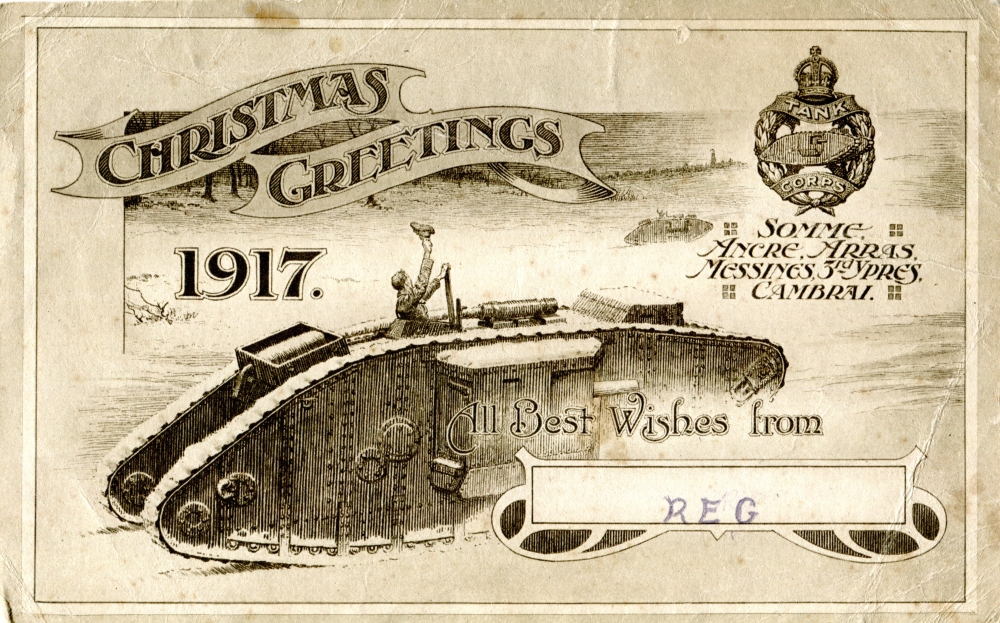
If necessity is the mother of invention, then the tank was conceived in the cloying mud of the Western Front. The First Battle of Ypres (October-November 1914) showed how the conflict was becoming a stalemate, bogged down in muddy trenches, saps and craters, with both armies settling into a bloody war of attrition and breakthroughs proving temporary and elusive. A new weapon was needed which could bring results so the idea of a ‘Landship’ using the newly designed ‘caterpillar’ track technology was developed. Initially part of the Machine Gun Corps the ‘tank’, as it came to be known, was brought into the war in 1916 at the battle of the Somme. Many broke down and the slow pace of movement endeared them to few. But at Cambrai (1917) British tanks succeeded in making a breakthrough, although this was not followed up. The limitations of tanks and their cumbersome nature stimulated further advances in design and tactics. The British Whippet was designed to exploit breaches in the enemy line and was faster (an eye-watering 8 mph against 3–4 mph for other models!).
Despite some limited success it is unlikely that the tank made a significant impact on the defeat of Germany. Major General Sir Louis Jackson called them ‘freaks’ and suggested the tasks allocated them should ‘be dealt with by other means’. These hulking, cumbersome and unwieldy behemoths had made their debut; Major General Jackson could not have known that the future for the tank was only just beginning.
Highlights
- In the company of WW1 author and lecturer Simon Jones
- Based in a comfortable hotel in the beautiful Medieval city of Arras
- Visit the evocative battle site of Flers where the tank was first used
- Visit the main battles where tanks were used on the Western Front: Bullecourt, Flesquières, Villers-Bretonneux, Amiens and Ypres
- View memorials to those who fought in the tank war including that at Pozières
- Visit the amazing Jean and Denise Letaille Museum at Bullecourt
What's Included
- 3 & 4 Star Hotels
- Return Eurostar Plus from London (optional)
- Expert historians throughout providing a daily variety of talks, presentations and Q&A
- Dedicated Tour Manager
- Dinner parties hosted by your expert historians and tour manager
- The company of like-minded travelers
- Helpful and friendly travel advice
- Meals as indicated in the itinerary
- Two drinks i,e wine or beer at each dinner and a welcome drink on first evening
- Entrance fees for sites included in itinerary
- Tour information booklet
- Modern, comfortable, air-conditioned coach
"If the tanks succeed, then victory follows"
Heinz Guderian (1888-1954)
Itinerary
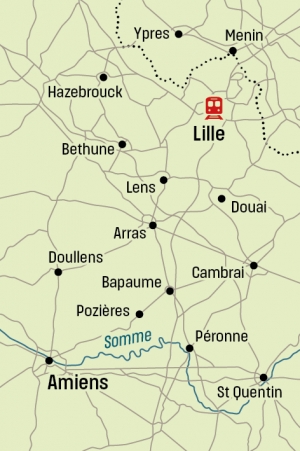
Day 1: Travel Eurostar from London St Pancras to Lille Europe or join tour at Lille Europe. Travel by coach to Arras, our base for three nights. This afternoon we visit Flers and the evocative site of the first use of tanks in battle on 15th September 1916 when 18 were sent towards German lines in an action unprecedented in warfare. Then we move on to the Pozières Tank Memorial to all tank battles along the Front. Notice the boundary fence consists of ten upright 6 pounder tank gun barrels with tank driving chains mounted across them. (D)
Day 2 Today we explore the battles around Bullecourt (April 1917) where tanks were used, although not particularly effectively. We visit the excellent Bullecourt Museum with its magnificent collection of artefacts found in the area. These will greatly enrich our understanding of the environment in which the tank war was fought. (B,L,D)
We then move on to examine the Battle of Cambrai (1917) and the use of tanks at Flesquières where 40 were knocked out by German artillery in a day. The Flesquières Hill British Cemetery contains the remains of many of the tank crews who perished in this action and the Cambrai Memorial commemorates around 7,000 servicemen of the United Kingdom and South Africa with unknown graves.
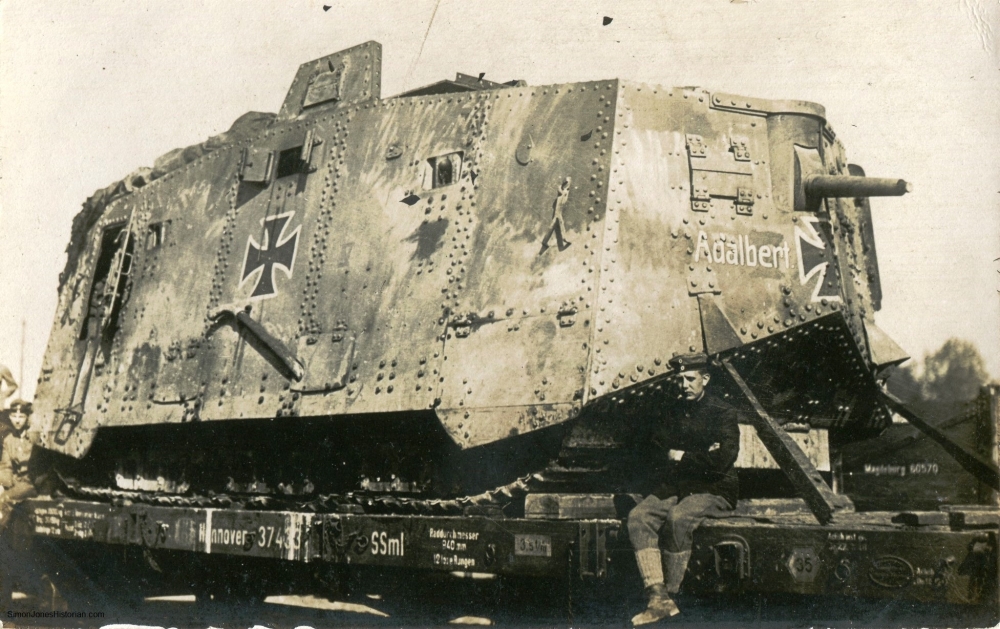
Day 3 Today we examine the events of 1918 and start by driving to Villers-Bretonneux where on April 24th around Cachy tank took on tank for the first time in history. At Le Hamel we learn how coordination between infantry, artillery and armour resulted in an Allied victory. We then move to sites connected with the Battle of Amines (1918) where 580 tanks succeeded in breaking the German line. We also learn about the remarkable story of the Whippet tank named ‘Musical Box’ which, whilst attracting withering German fire, caused considerable damage to German artillery. (B,D)
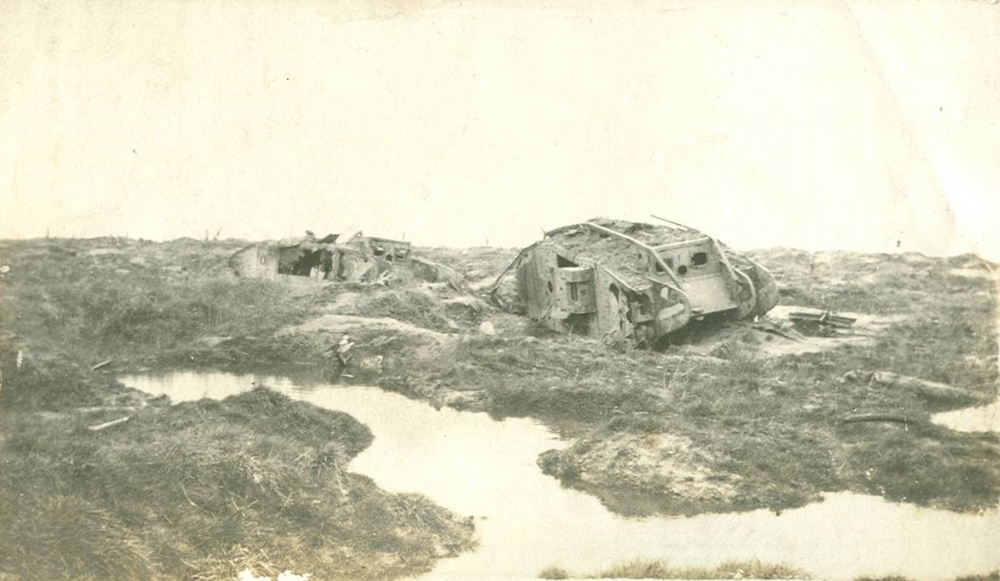
Day 4 Today we drive to Ypres to explore the use of tanks in the battles around the town in 1917. We visit the site of the Menin Road Tank Cemetery where around 14 tanks of the 2nd Tank Brigade became stranded in July 1917 and remained there into the 1920s. We also learn about the 'Action at the Cockroft' on 19 August 1917, a brazen attack by tanks on well-fortified bunkers near St Julien. Drive to Lille in the afternoon to catch the evening Eurostar back to London St Pancras or perhaps extend your stay in France. (B)