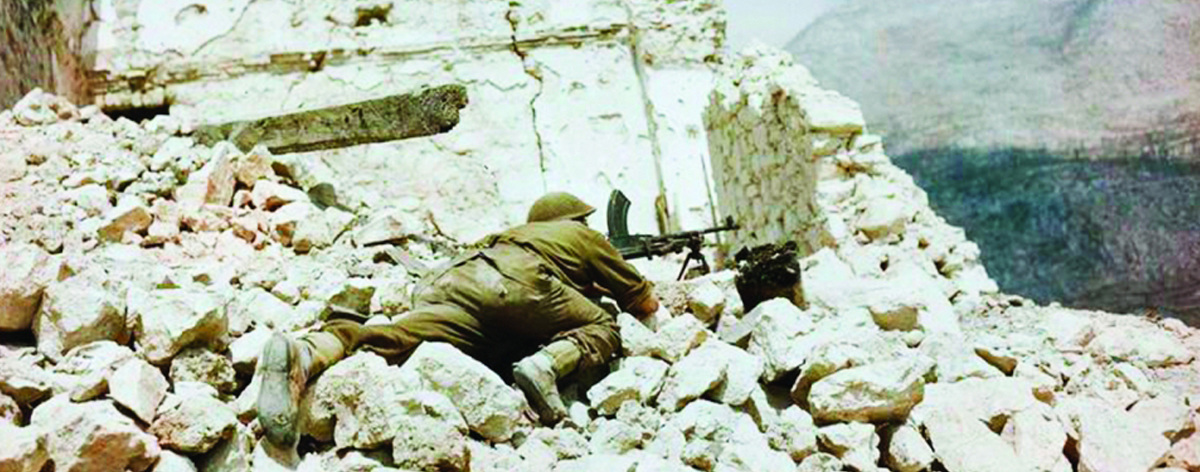
The Liberation of Mainland Italy 1943-45
3rd - 13th October 2026
(11 Days)
Expert Historian : Colonel David Harrison
Contact us - use the button below to receive more information
The Liberation of Mainland Italy 1943-45
Your Holiday Essentials
3rd - 13th October 2026
(11 Days)
Best available hotels, meals as indicated,
drinks with dinner, all entrance fees,
tour manager and expert historian
throughout, all internal travel, optional
travel from UK.
Expert Historian: Colonel David Harrison
Incl. travel from UK: N/A
 |
Tour Introduction
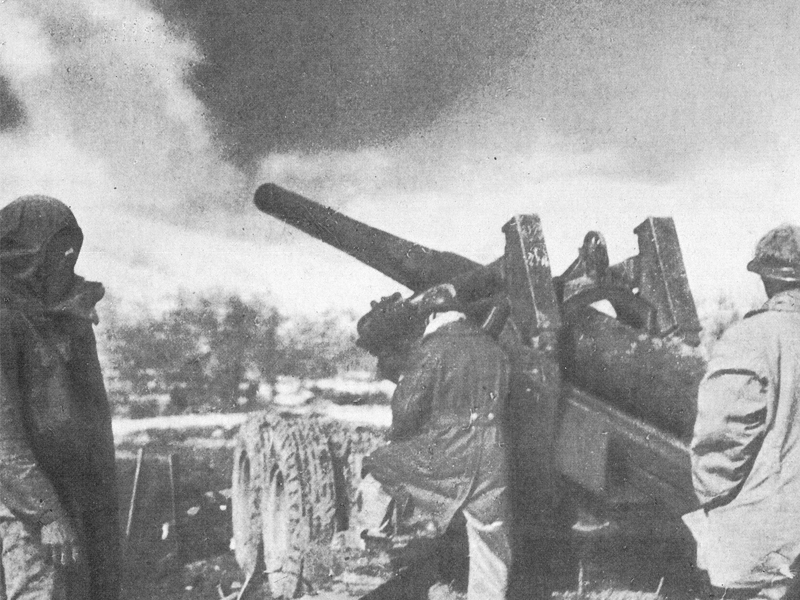
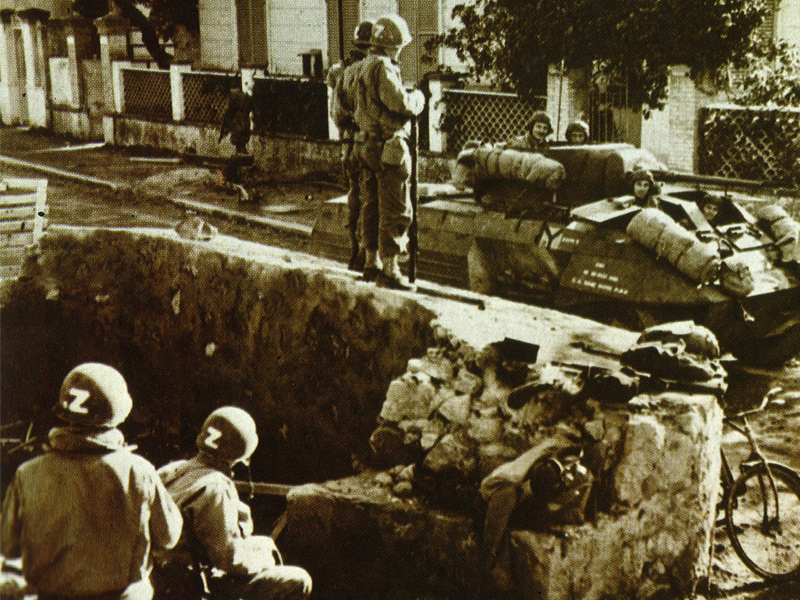
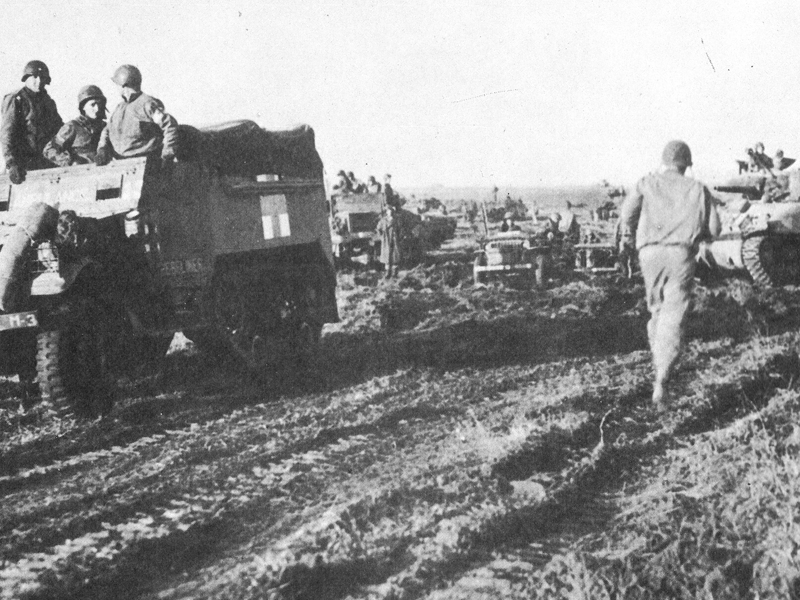
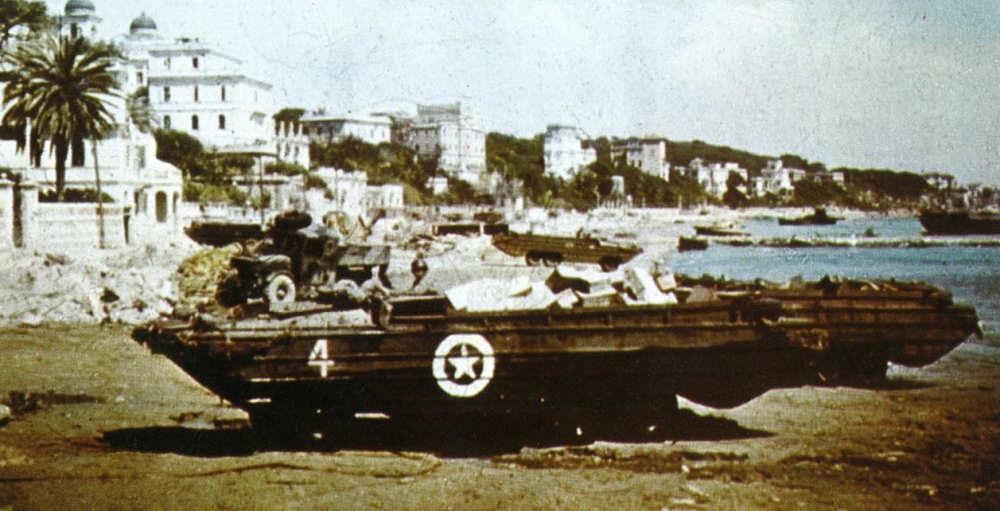
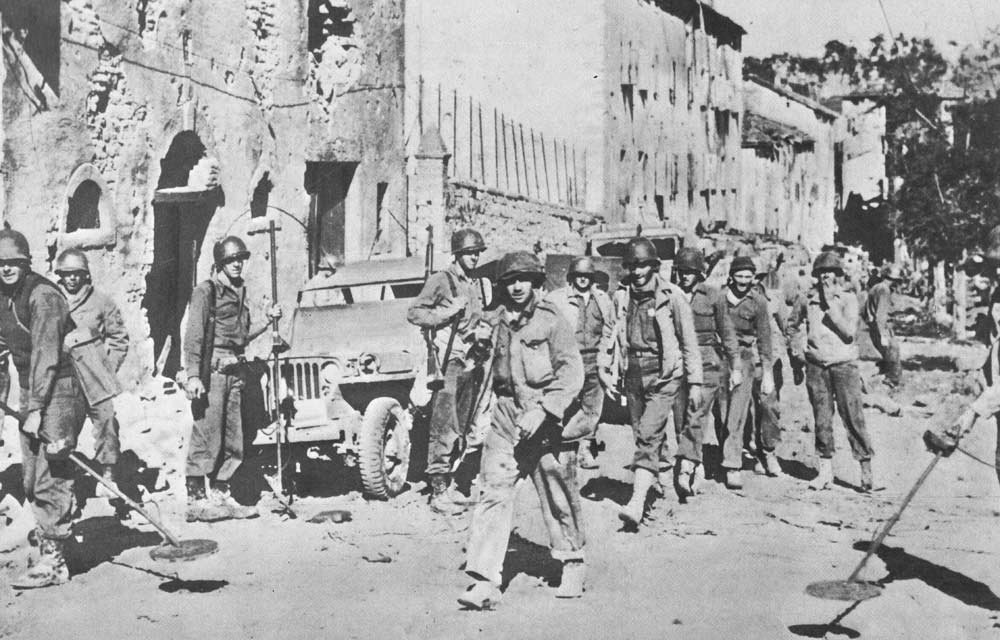
This 11-day and 10-night tour follows the Allied invasion of the Italian mainland at Salerno, Cassino, Anzio and beyond to the Po Valley. During 20 long months, which include two harsh winters, the US 5th Army and the British 8th Army battle their way northwest up the peninsular through the Gustav and Gothic Lines. After the initial amphibious landing - Operation AVALANCHE – hopes are high that Rome would be liberated before Christmas 1943 but the effective German defence of the line from the mouth of the Garigliano River to Ortona delayed the Allies for 5 months at Cassino, the anchor of the Gustav Line. From the fall of Rome in mid 1944 the Italian Campaign became very much a second front and during the tour we hear how Alexander, Clark and Leese try to maximise their resources to overcome the Pisa – Rimini line during Operation OLIVE. Yet again, the by now highly multinational force including Canadians, New Zealanders, Poles and South Africans, is delayed by skilful German defence. Not until Spring 1945 was the German 10th Army defeated in the Po Valley.
The tour is a natural follow-on to our Operation Husky: The Allied Invasion of Sicily tour, 25th September – 1st October 2026. See: Operation Husky Tour Page
Background
With invasion of Northwest Europe not feasible until 1944, the decision to capture Sicily and force the surrender of Italy was an easy one for the Allies. Achieving American and British consensus to the next strategic move in the Mediterranean was less straightforward. The US believed the quickest way to Berlin was across the English Channel, which they believed a subsidiary invasion in the South of France would support. Yet Stalin wanted pressure to be maintained on German land forces in Western Europe.
Therefore, agreement was reached to mount an invasion of the Italian mainland concurrently at Salerno and across the Straits of Messina only a few weeks after the capture of Sicily. Salerno was the furthest north that air cover, so essential for an amphibious landing, could be provided, yet close enough to Naples that a major port could be gained relatively quickly. The terrain of mainland Italy, with the Apennines running down the spine of the peninsular, would result in the US 5th and the British 8th Armies effectively fighting separate campaigns along the west and east coasts.
An early strategic objective was for the 8th Army to secure the Foggia Airfields which would allow the rapidly building Mediterranean Air Forces to step forward from North Africa and reach into southern Germany and further east to the Ploesti oilfields, which was not possible from Britain. Great uncertainty existed as to how the Germans would react immediately following the Italian Armistice, which Eisenhower chose to announce the night before Operation AVALANCHE. Into these circumstances the sailors, soldiers and airmen of the Allied forces stepped in September 1943. Little did they know that they would still be fighting the Germans 20 months later 600kms further north in the Po Valley.
Highlights
• Stand where Allied armies landed at the beaches of Salerno and Anzio
• Visit some of Italy’s best military collections at the Winterline and Alfonsine museums
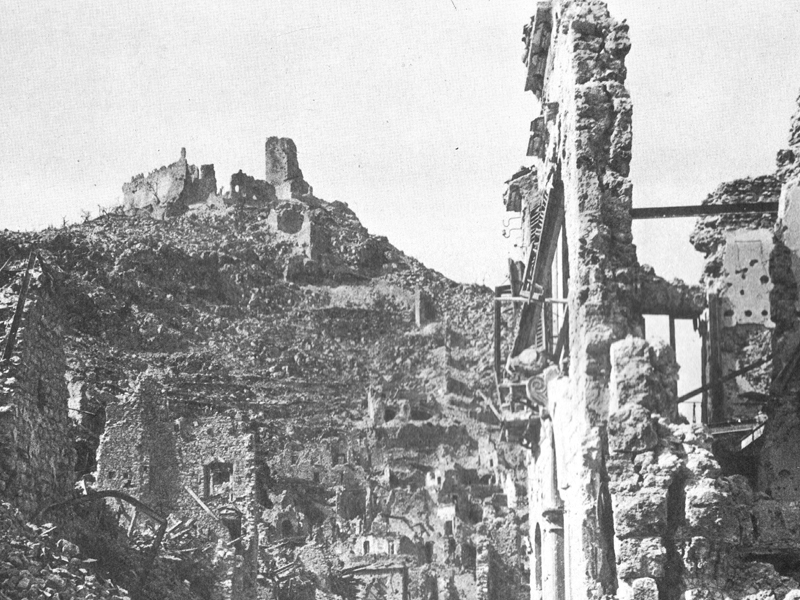
• Explore the battle of Monte Cassino and the bitterly contested Gustav Line
• Visit the Amazon Bridge, site of heavy Royal Engineers casualties
• Examine Operation SHINGLE and the actions around Aprilia and Buonriposo
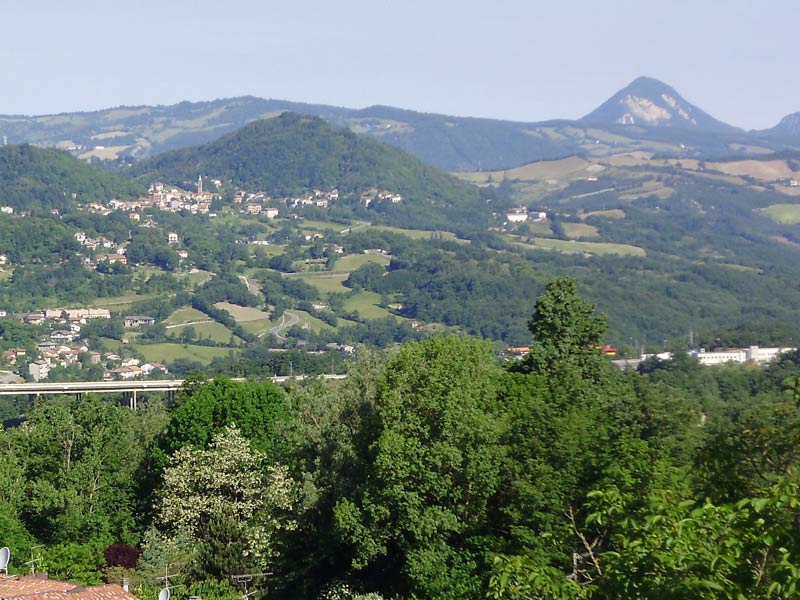
• Explore the battles for the Gothic Line including those around Coriano and San Clemente
• Trace the events of Operation BUCKLAND including around Lake Comacchio and the final offensive through the Argenta Gap
What's Included
- 3 & 4 Star Hotels
- Buffet breakfast each morning
- Two drinks i,e wine or beer at each dinner
- Tour information booklet
- The company of like-minded travelers
- Return flights from London (optional)
- Modern, comfortable, air-conditioned coach
- Meals as indicated in the itinerary
- Entrance fees for sites included in itinerary
- Dedicated Tour Manager
- All taxes and gratuities
- Three-course dinner parties hosted by your expert historian and tour manager
"I had hoped we were hurling a wild cat onto the shore, but all we got was a stranded whale"
Winston Churchill commenting on the Anzio beachhead
Itinerary
Day 1: Arrival
Fly London to Naples or make your own arrangements to join the tour at the hotel. Drive to Battipaglia where we check in to our hotel for two nights. (D).
Day 2: The Salerno Landings
We orientate ourselves to Mark Clark’s US 5th Army and Operation AVALANCHE from the north side of the Bay of Salerno before making our way via Green Beach to CWGC Salerno Cemetery. At the cemetery we consider the Battle for the Battipaglia Tobacco Factory. We then cross into the US sector and ascend to Altavilla and Point 424 to view the terrain over which the German counter offensive threatened 5th US Army beachhead before the Allies recaptured this vital ground. (B, D).
Day 3: The Winterline
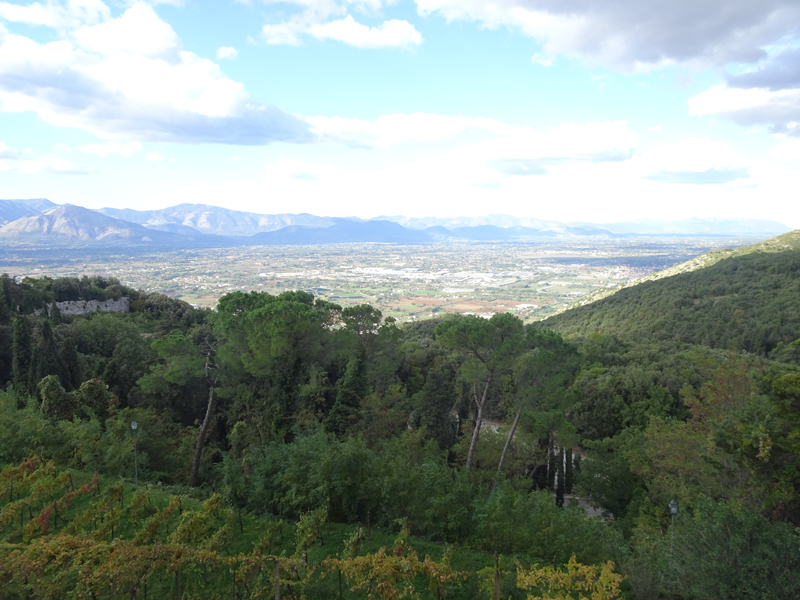
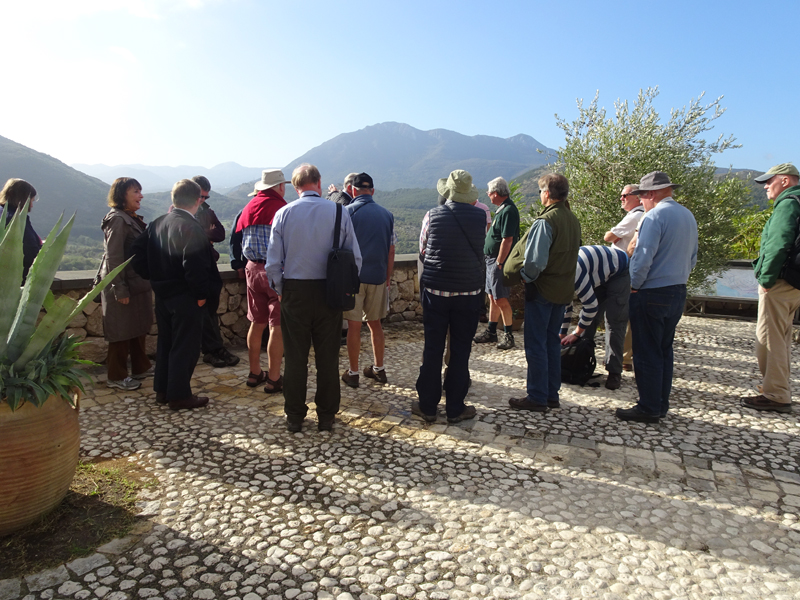
Having crossed the Volturno River we visit the excellent Winter Line Museum at Venafro which explains the bloody battles of November and December 1943. We then drive through the Mignano Gap to San Pietro Infine where we discover how the US 36th Division fought its way into the town. We continue towards Cassino stopping at Monte Trocchio where we gain an excellent view of the Gustav Line and understand the challenge the Allies were to face on their way to Rome. We check in to our hotel at Cassino for two nights. (B, D).
Day 4: The Battles for Monte Cassino
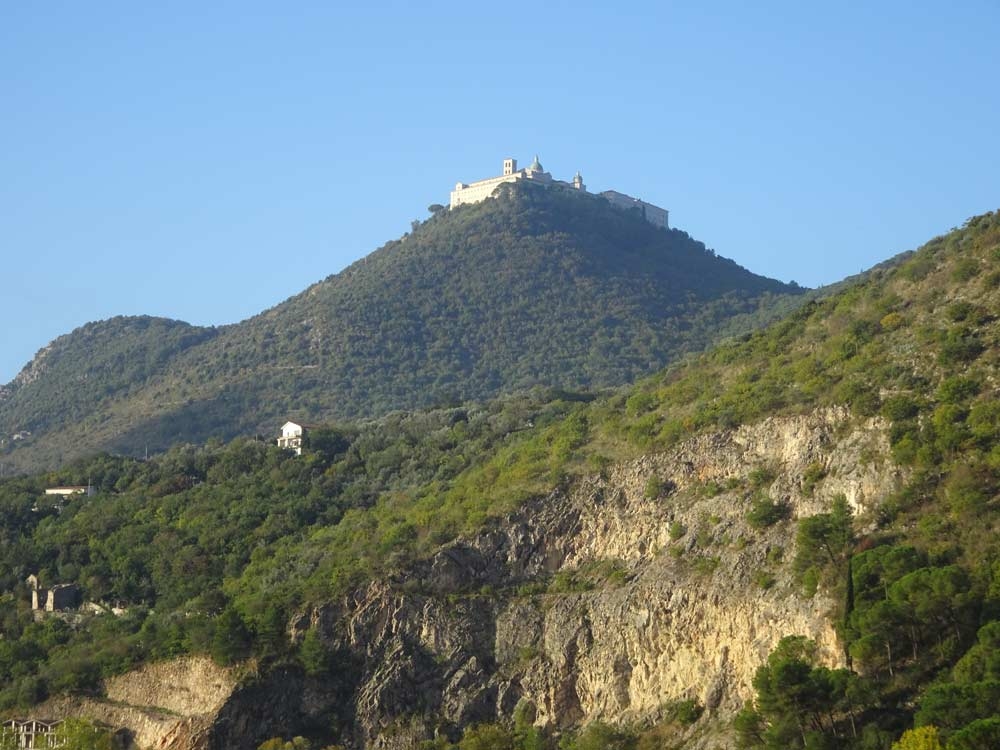
We follow the successful exploits of the French Expeditionary Corps in the Upper Rapido River Valley during the First Battle. Military historians have debated for decades whether there was a way here to outflank the German defences. From the bottom of the Cavendish Road, we consider the decision to bomb the monastery in preparation for the Second Battle and whether the 4th Indian Division on Snakeshead Ridge could have outflanked the Gustav Line. We return to our hotel via Castle Hill which the New Zealanders’ captured during the fight for the town in the Third Battle. (B, D).
Day 5: Operation DIADEM
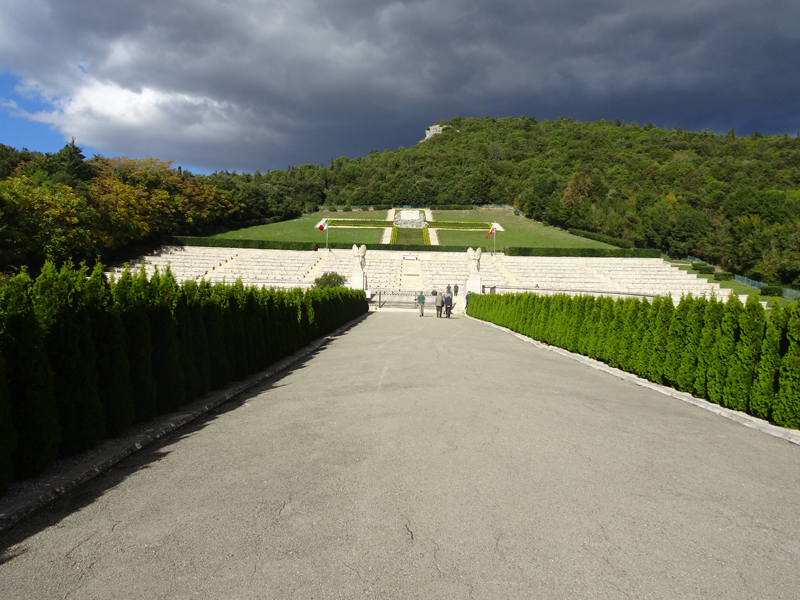
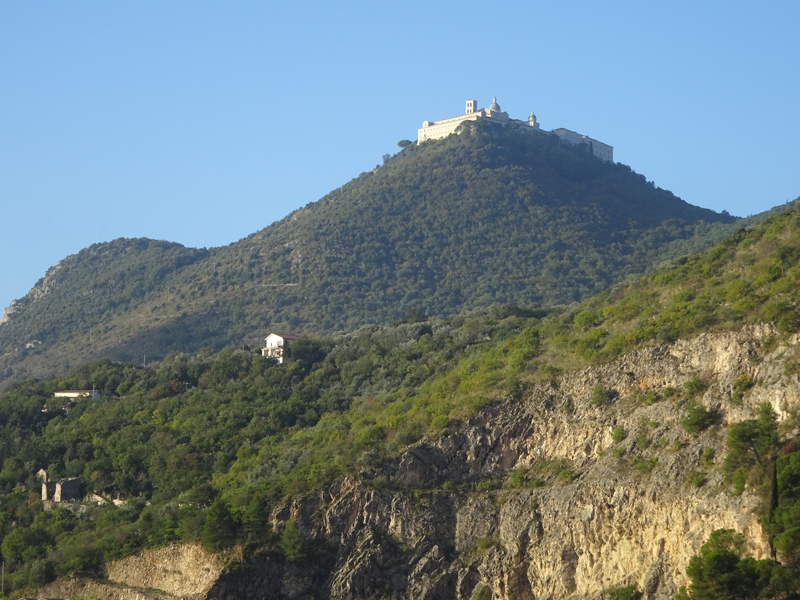
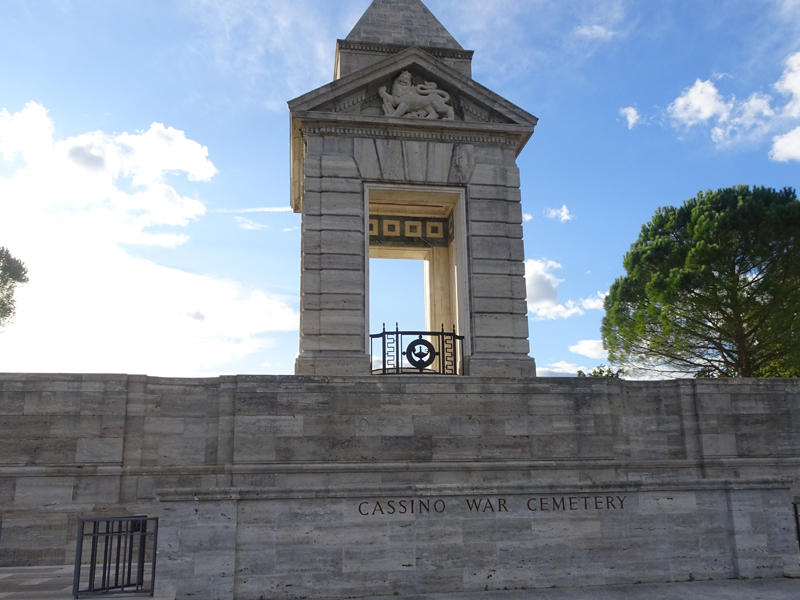
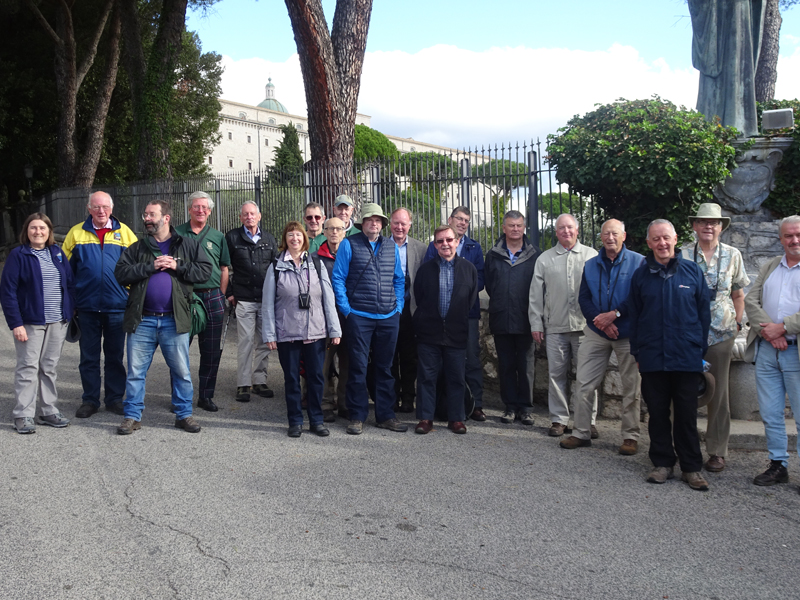
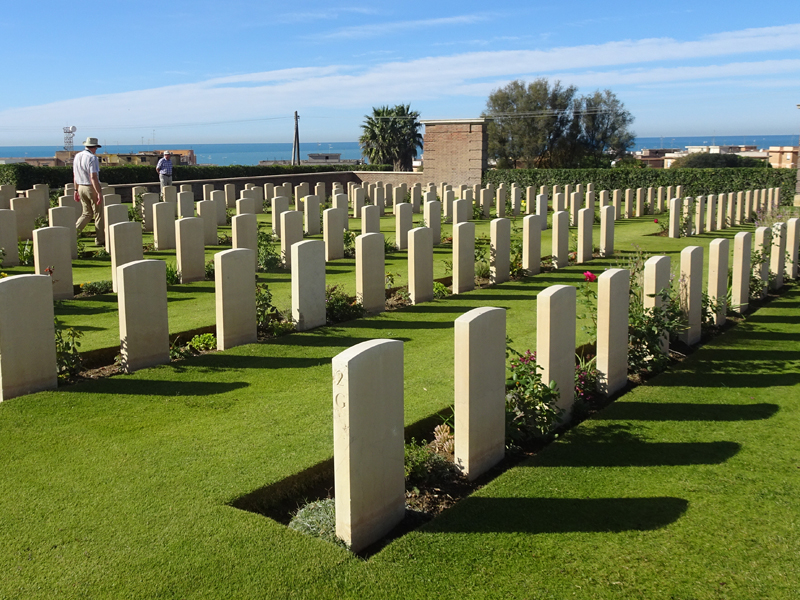
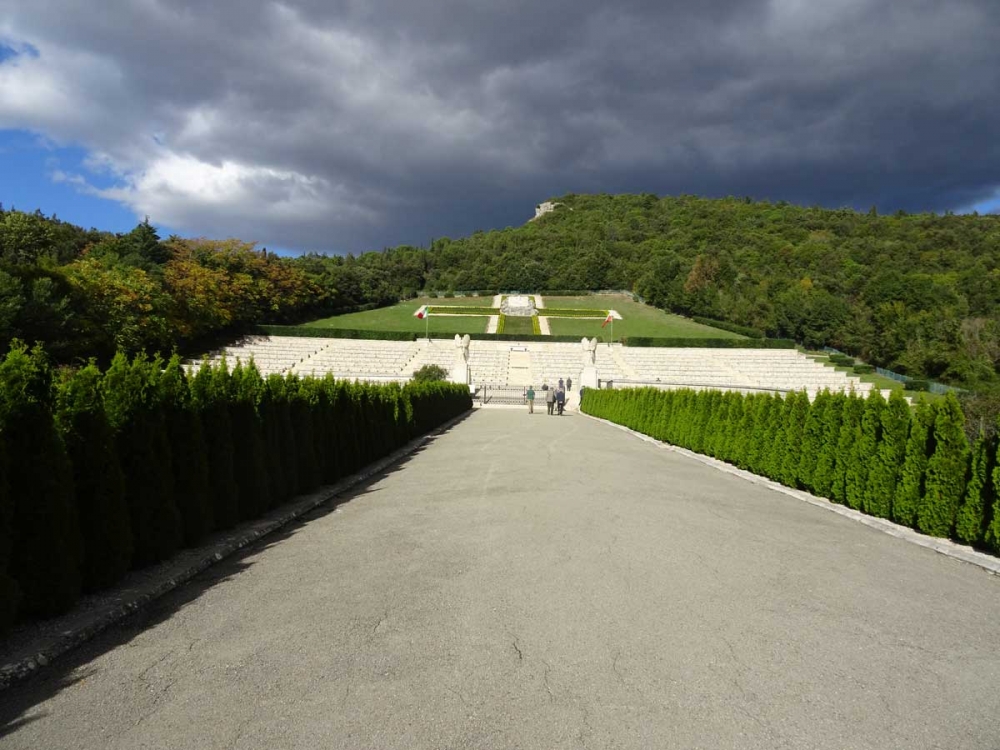
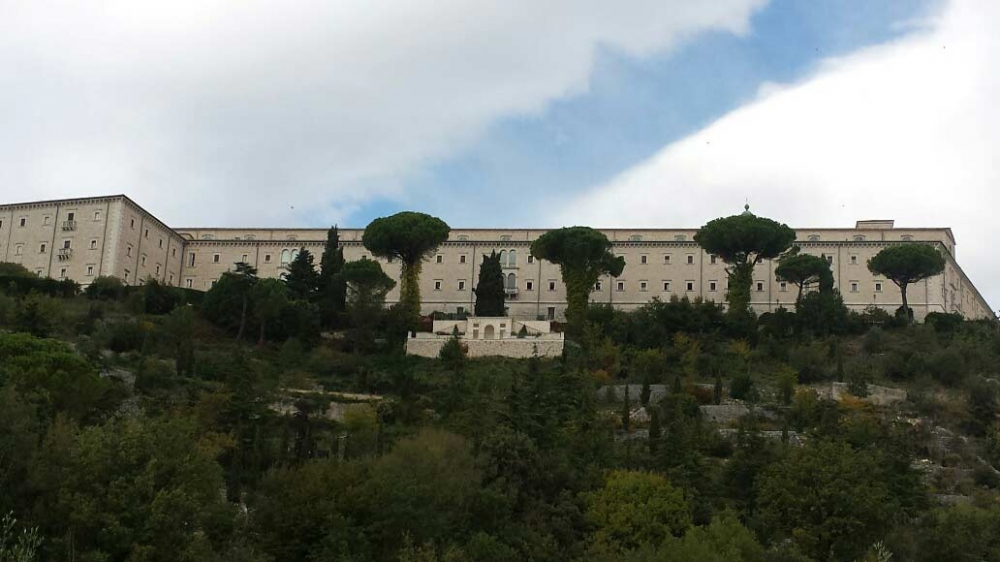
Today we consider the successful Fourth Battle - Operation DIADEM – by visiting the Abbey, ultimately captured by the Poles, and Point 593 overlooking the Liri Valley. We conclude at Amazon Bridge where the Royal Engineers suffered heavy casualties building a vital Bailey Bridge, before paying our respects at the CWGC Cassino Cemetery. We then drive to Nettuno where we check in to our hotel for two nights. (B, D).
Day 6: Anzio
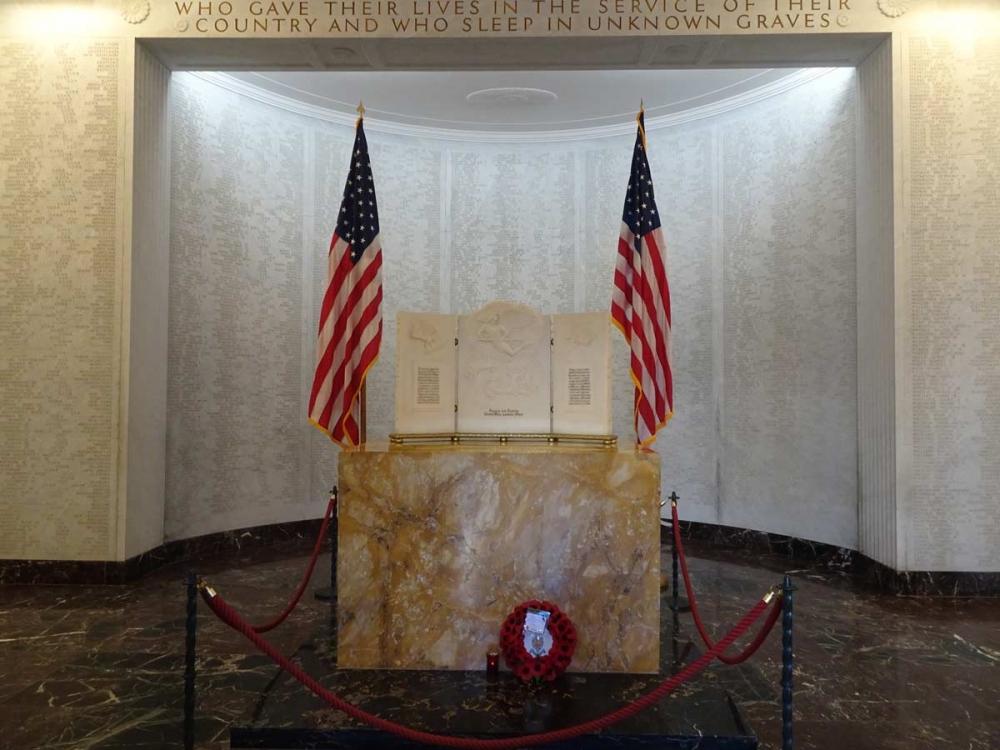
At Nettuno we visit the Nettuno American Cemetery to use its excellent diorama for orientation to Operation SHINGLE. Having driven along the beaches we go to the Aprilia Factory where the Allies mounted their first attempt to expand the beachhead. From there we visit the terrain over which the German counterattacks took place at Buonriposo Ridge. At the Aprilia Factory 1944 Museum we visit the wadis/gullies where grim fighting took place during the weeks of stalemate. We conclude the day at CWGC Anzio Beachhead Cemetery. (B).
Day 7: The Gothic Line
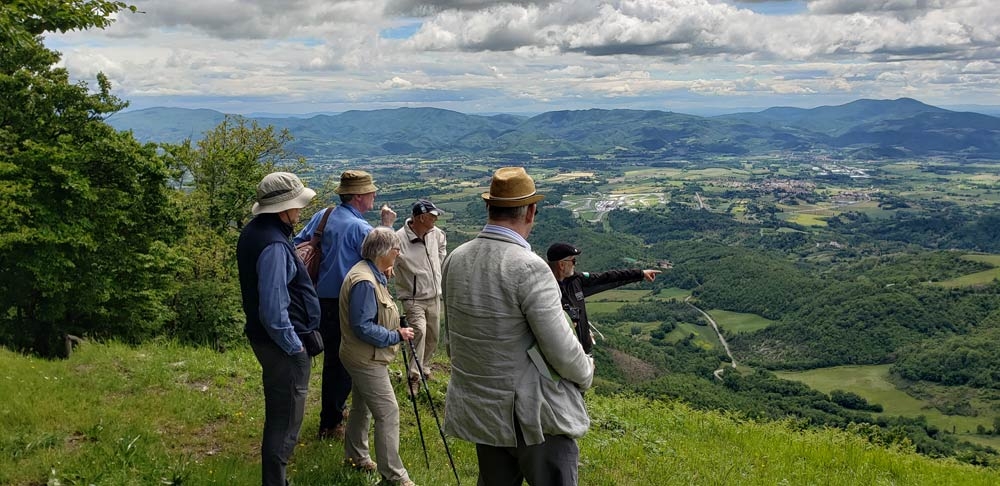
We start the day at the Mussolini Canal to see from where the breakout towards Cisterna was launched, examining Clark’s controversial decision to advance on Rome rather than focusing on destroying German 10th Army. We then transit to the Adriatic Coast and follow the 8th Army’s Operation OLIVE move in August 1944. At Monte Maggiore al Metauro we orientate ourselves to the Gothic Line. We check in to our Rimini hotel for two nights. (B, D).
Day 8 – Coriano Ridge
We follow 1st Canadian Corps advance across the Metauro River to the Foglia River and witness the break in battles on the Gothic Line. At San Clemente we understand the difficulties the terrain caused the 8th Army in employing 1st Armoured Division. We then witness the eventual capture of Coriano by the Canadian Corps through a frontal assault. The heavy costs of these attacks are evident at the Coriano Ridge military cemetery where we conclude the day. (B, D).
Day 9 – The Advance to the Senio River
Near Forli we stop to hear of the US 5th Army’s actions on the Gothic Line and to consider the 8th Army’s Autumn battles towards the Senio River. We look at the different terrain over which they were conducted. Near Faenza we learn of the new armour and tactics with which they experimented during Operation CYGNET. We cross the Senio River and end the day with a visit to the military museum at Alfonsine and discover the role the partisans played in the final battles. We check in to our Ravenna hotel for two nights. (B, D).
Day 10 – Through the Argenta Gap to the Po River
Today we trace the events of Operation BUCKLAND in the Spring of 1945 when the Allies finally succeeded in breaking into the Po River valley. At Lake Comacchio we learn about the preparatory operations and the VC won by Major Anders Lassen. We then explore the 8th Army’s final offensive through the Argenta Gap and the employment of amphibious troop carriers known as Fantails. We conclude the tour at one of the Allied Po River crossing sites near Ferrara. (B, D).
Day 11 – Departure
Fly Bologna to London mid-morning or perhaps extend your stay in Italy. (B).
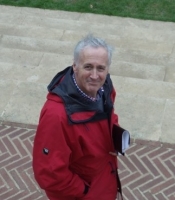
Colonel David Harrison
Following a career as a soldier and a diplomat, David Harrison specialises in the Italian campaigns of the First and Second World War. He has organised bespoke tours to the First World Campaign in the north of Italy which include the Battle of Caporetto 1917, the fighting on the Asiago Plateau, along the River Piave and the final Battle of Vittorio Veneto 1918. He also specialises in the Allied Second World Campaign on Sicily in 1943, at Salerno/Monte Cassino/Anzio 1943-44, and along the east coast against the Gothic Line 1944-45. His 30 years of service in the British Army from Platoon to Corps level allow him to interpret the battles for the visitor today, whilst his NATO assignments enable him to provide insights from the other main participants (Canada, Germany, Italy, Poland and USA). He has studied in detail the Battle of Ortona 1943, the role of Anders’s Polish II Corps and has a particular interest in the impact of the war on Italian society. He is educated at Masters level and has had Campaign book reviews published. He lives in Edinburgh and the Le Marche region of Italy.
Photo Gallery
Your Holiday Essentials
3rd - 13th October 2026
(11 Days)
Best available hotels, meals as indicated,
drinks with dinner, all entrance fees,
tour manager and expert historian
throughout, all internal travel, optional
travel from UK.
Expert Historian: Colonel David Harrison
Incl. travel from UK: N/A
|
|
Photo Gallery
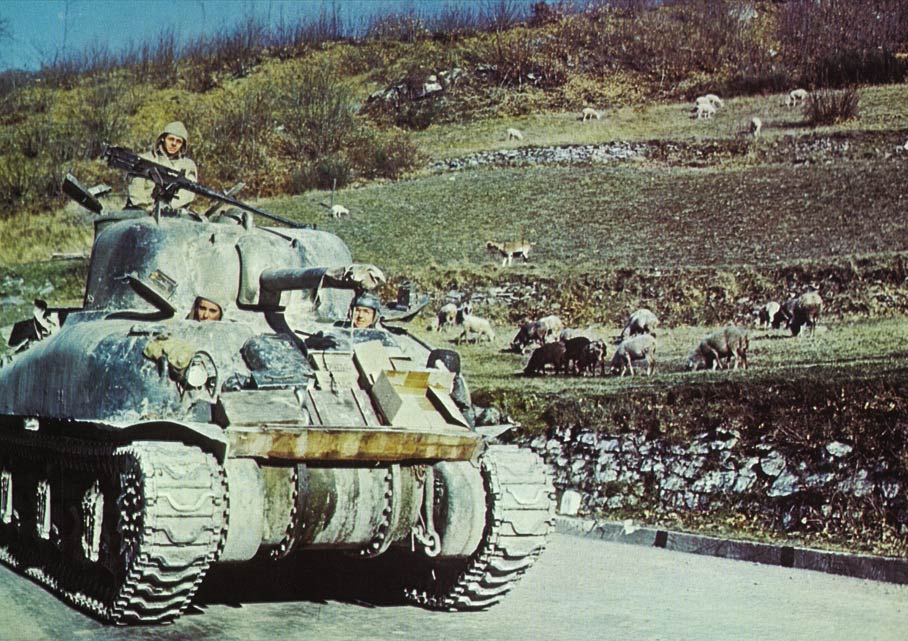 The Liberation of Mainland Italy 1943-45
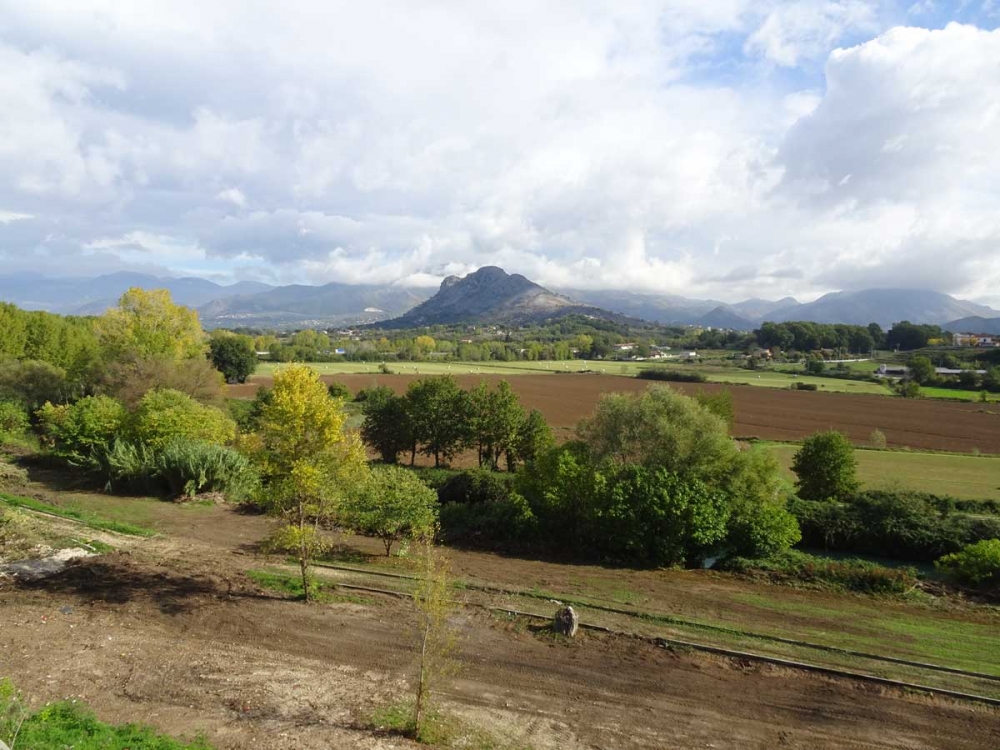 The Liberation of Mainland Italy 1943-45
 The Liberation of Mainland Italy 1943-45
 The Liberation of Mainland Italy 1943-45
 The Liberation of Mainland Italy 1943-45
 The Liberation of Mainland Italy 1943-45
 The Liberation of Mainland Italy 1943-45
 The Liberation of Mainland Italy 1943-45
 The Liberation of Mainland Italy 1943-45
 The Liberation of Mainland Italy 1943-45
 The Liberation of Mainland Italy 1943-45
 The Liberation of Mainland Italy 1943-45
 The Liberation of Mainland Italy 1943-45