
The American Civil War: Eastern Theatre Battlefield Tour Guide
Understanding the Eastern Theatre's Decisive Battles
The American Civil War's Eastern Theatre stands as one of history's most consequential and tragic military campaigns. Stretching across Virginia, Maryland, and Pennsylvania, this theatre witnessed some of the war's fiercest fighting, most dramatic reversals of fortune, and pivotal moments that ultimately shaped the course of American history.
For anyone seeking to understand the Civil War, the Eastern Theatre is essential. It was here, not in the West, where the Confederacy made its boldest claims of legitimacy. It was here that the Army of Northern Virginia, under Robert E. Lee, earned its legendary reputation. And it was here, ultimately, that the Union learned the harsh lessons that would eventually lead to victory.
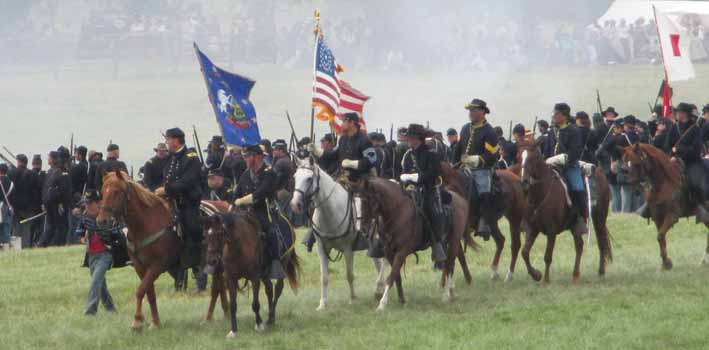
Why the Eastern Theatre Matters
The Eastern Theatre commanded attention - and resources - throughout the war. Both the Union and Confederate governments stationed their largest armies here. Washington, DC, the Union capital, lay tantalizingly close to Confederate territory. Richmond, Virginia, the Confederate capital, became the North's strategic objective.
The proximity of these capitals meant that every battle carried enormous political and psychological weight far beyond its tactical significance.
The fighting in the East was often more intense and costly than in the West. Battles like Gettysburg, Antietam, and Fredericksburg produced casualty lists that shocked the nation.
These weren't battles of manoeuvre and breakthrough—they were grinding, brutal affairs where armies collided head-on and refused to yield.
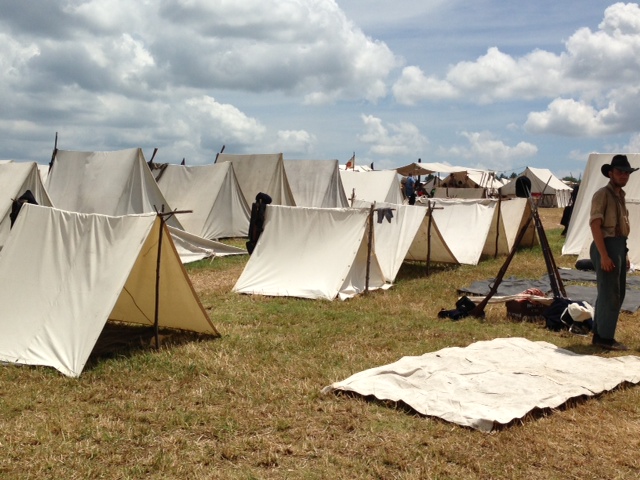
The Major Battlefields of the Eastern Theatre
Gettysburg: The High-Water Mark of the Confederacy
No battlefield in America carries more historical weight than Gettysburg. For three days in July 1863, the Army of Northern Virginia and the Army of the Potomac clashed in rolling Pennsylvania countryside. The result was the largest battle ever fought in North America and a Confederate defeat that ended Lee's invasion of the North.
Gettysburg's landscape tells the story. The Union position on Cemetery Ridge, the Confederate assaults across open ground, Pickett's Charge (the final desperate attack that broke the Confederacy's hopes of victory) all become vivid when you walk the ground. The preserved trenches, artillery positions, and monuments create an immersive experience impossible to gain from reading alone.
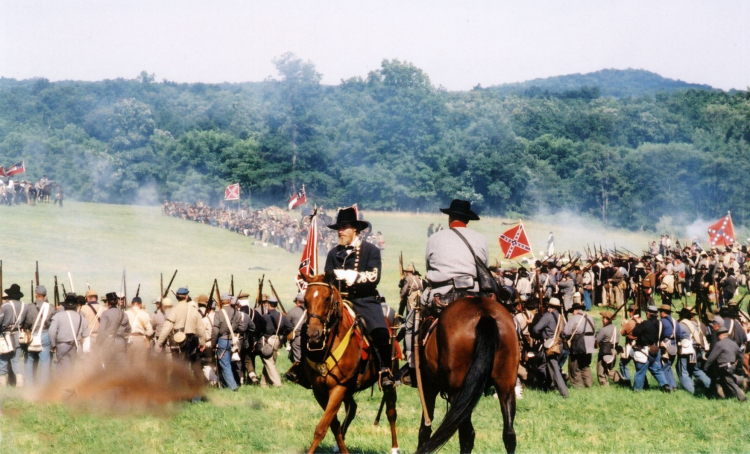
Manassas: Where Illusions Shattered
Fought in 1861 and again in 1862, the battles at Manassas revealed how unprepared both sides were for prolonged war. The first battle shattered Northern confidence that the war would be brief. The second demonstrated Lee's tactical brilliance but couldn't translate into strategic victory.
The rolling terrain around Manassas, with Henry House Hill as its focal point, shows why commanders chose this ground. Standing where Confederate regiments held their line, you understand why the North believed victory was possible; yet they were wrong.
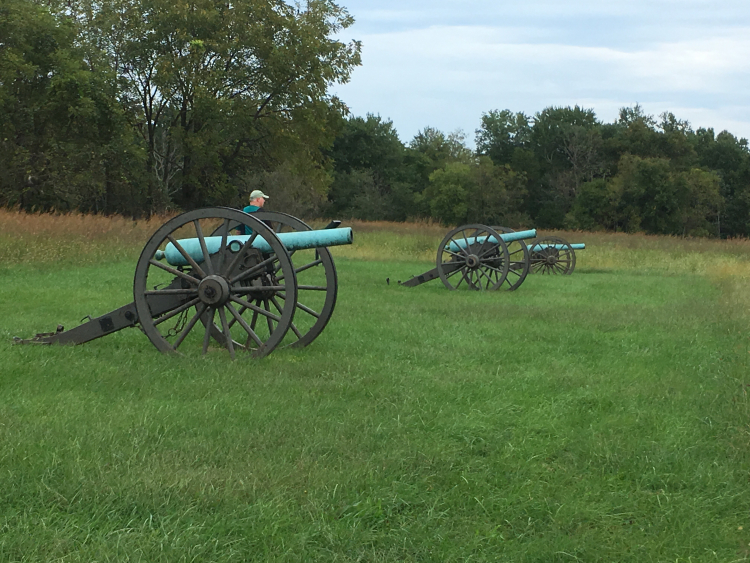
Fredericksburg: A Pyrrhic Confederate Victory
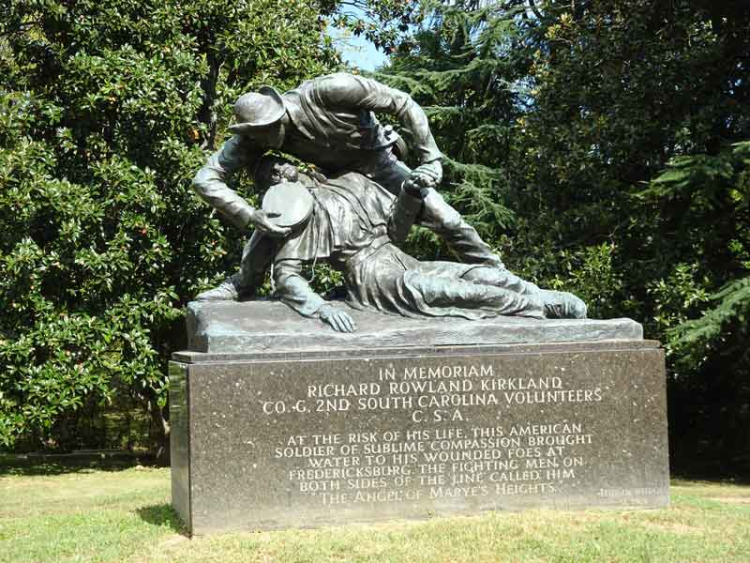
Few battlefields illustrate the futility of frontal assault as clearly as Fredericksburg. In December 1862, the Union Army of the Potomac launched repeated attacks against Confederate positions on Marye's Heights. Each attack was repulsed with mounting casualties. By day's end, nearly 13,000 Northern soldiers lay dead or wounded against 6,000 Confederate losses.
The stone wall at the base of Marye's Heights remains one of the war's most emotionally powerful sites. Standing behind it, you grasp why Confederate soldiers felt invincible. Looking down from above, you understand the slaughter Northern soldiers endured.
Chancellorsville: Lee's Perfect Battle
Robert E. Lee called Chancellorsville "the perfect battle." In May 1863, outnumbered and seemingly trapped, Lee's army executed a daring flank march that routed the larger Union force.
Victory, however, came at a devastating cost: Thomas "Stonewall" Jackson, Lee's most trusted lieutenant, was mortally wounded in the fighting.
The dense woods of the Chancellorsville battlefield (known as "the Wilderness") make walking it challenging but rewarding. The terrain explains why Jackson's flank march worked and why the battle unfolded as it did.
Appomattox: Where It Ended
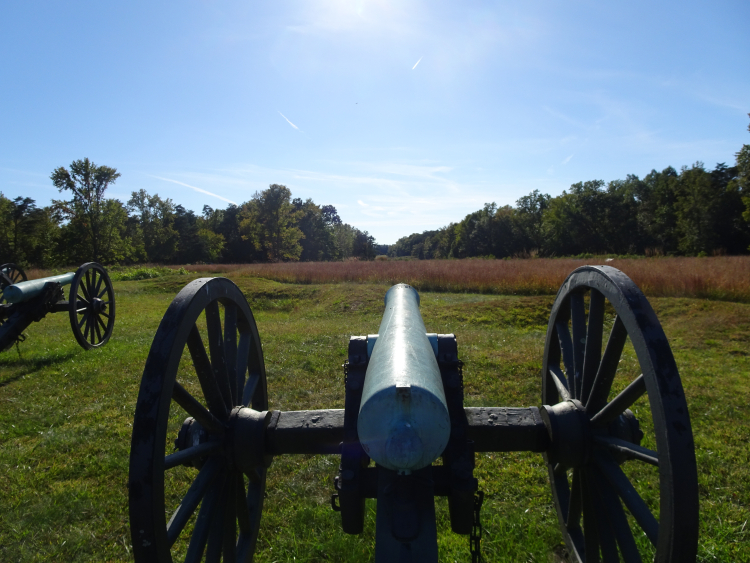
By April 1865, Lee's army was exhausted, starving, and hemmed in by Union forces. At Appomattox Court House, Virginia, Lee surrendered to Ulysses S. Grant.
The two generals treated each other with courtesy and mutual respect. Grant, in particular, showed magnanimity in victory that helped begin the reconciliation process.
Appomattox today is a serene place, almost tranquil. It's a fitting location for where the Eastern Theatre's long agony finally ended.
Walking the Battlefields
The Emotional Weight of the Eastern Theatre
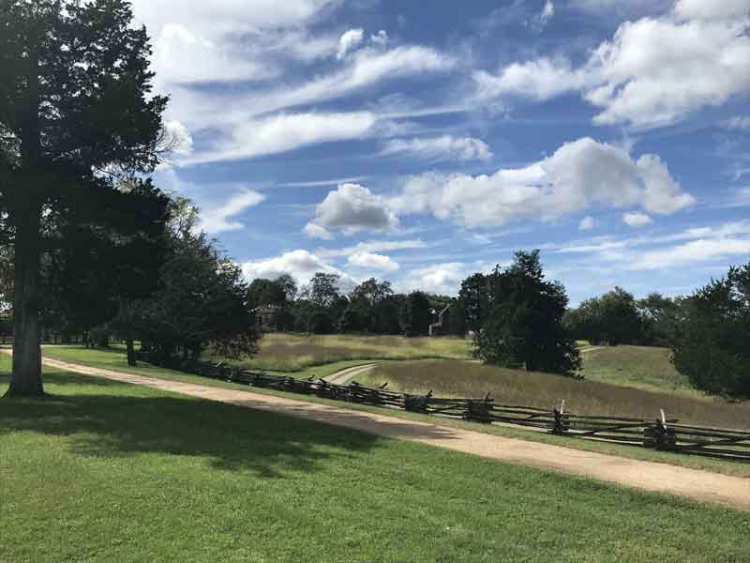
Walking Eastern Theatre battlefields is emotionally demanding in ways that surprise many visitors. These weren't distant historical events; they're recent on the scale of human memory. The scale of death and suffering becomes visceral when you stand on the actual ground.
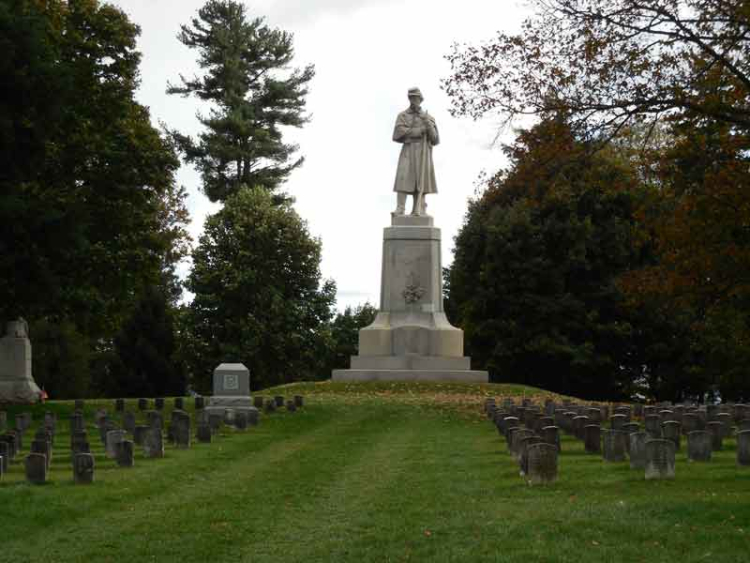
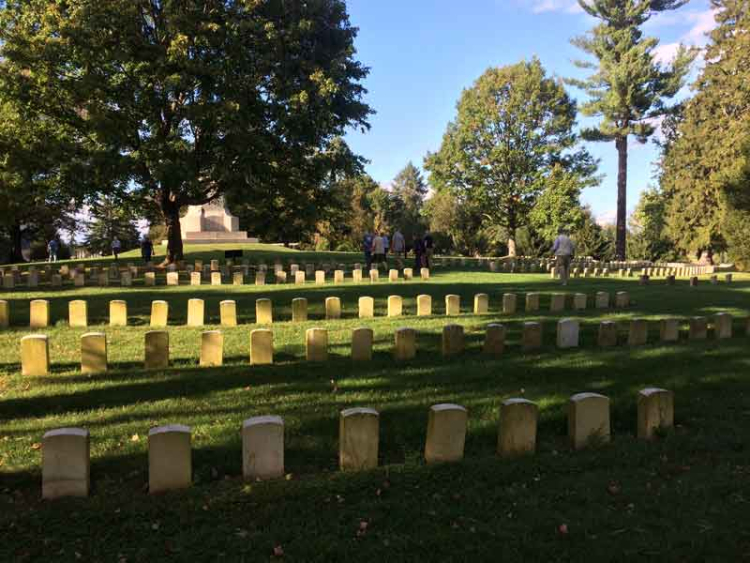
Gettysburg's cemetery, where Abraham Lincoln delivered his famous address, remains a place of pilgrimage. The countless monuments erected by state governments and regimental organisations create a landscape of commemoration unlike anywhere else in America. You're not simply visiting a battlefield; you're walking through a physical expression of national grief and memory.
Who Should Choose an Eastern Theatre Tour?
The Eastern Theatre appeals to different visitors for different reasons:
History enthusiasts will find the story of Lee and the Army of Northern Virginia endlessly fascinating. Few military commanders have inspired such devotion or achieved such tactical brilliance while ultimately serving a doomed cause.
First-time Civil War visitors often start here because Gettysburg dominates popular understanding of the war.
Beginning with the Eastern Theatre and understanding why it mattered so much provides essential context for comprehending the entire conflict.
Those seeking dramatic landscapes will appreciate the preserved battlefields with their monuments, museums, and interpretative centres. Many sites, particularly Gettysburg, have excellent facilities that enhance understanding.
Military history students value the Eastern Theatre for its concentration of dramatic battles and its clear demonstration of how warfare evolved over four years. Early battles show amateur armies learning their trade; later battles show hardened professionals.
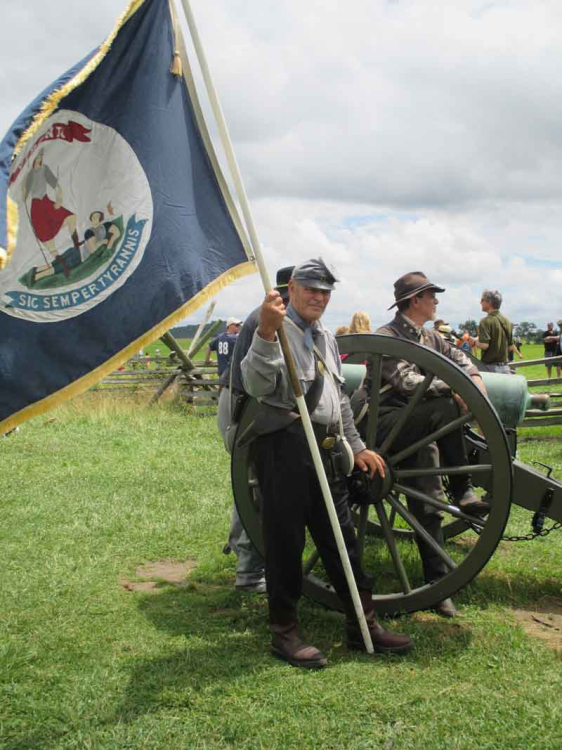
Planning Your Eastern Theatre Experience
The best time to visit Eastern Theatre battlefields is late spring through early autumn, when the weather is moderate and the landscape green. September and April offer particular advantages: pleasant weather and fewer crowds than summer.
Comfortable walking shoes are essential. Many sites require substantial walking across uneven terrain. A good guidebook or, better yet, an expert historian can transform a visit from pleasant sightseeing into genuine understanding.
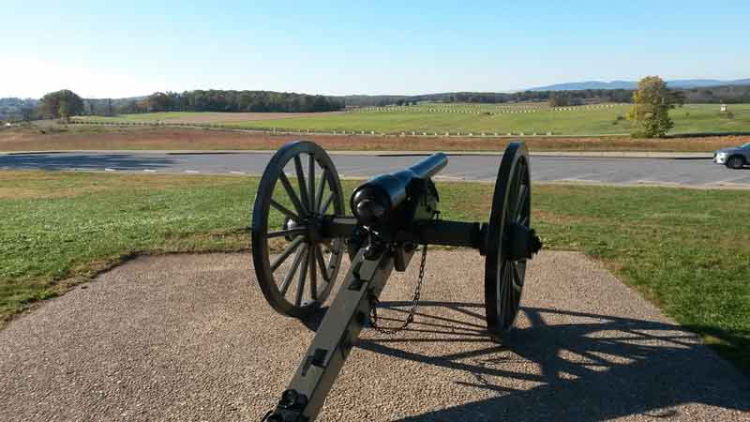
The Enduring Significance of the Eastern Theatre
More than 160 years after Appomattox, the Eastern Theatre remains central to understanding America. The battles fought across Virginia and Maryland determined not just who would win the Civil War, but what kind of nation America would become.
The Eastern Theatre demonstrates that military genius alone cannot overcome fundamental strategic disadvantages. Lee's tactical brilliance (evident at Chancellorsville, Second Manassas, and numerous other engagements) ultimately couldn't overcome the North's advantages in numbers, industrial capacity, and resources.
It also shows how warfare evolved. The battles of 1861 were chaotic affairs where commanders struggled to control their armies. By 1865, both sides had developed the sophisticated command structures, logistics, and tactics of modern warfare. The Eastern Theatre was where this transformation occurred.

What to Expect on an Eastern Theatre Tour
A well-planned Eastern Theatre tour typically covers:
- Gettysburg National Military Park: Usually a full day exploring the three-day battle, walking key positions, and visiting the museum
- Manassas National Battlefield Park: The two battles that opened and closed the initial phase of the war
- Fredericksburg and Spotsylvania: Twin battlefields that demonstrate the grinding nature of Eastern Theatre fighting
- Chancellorsville: Lee's tactical masterpiece and the place where Jackson fell
- Shenandoah Valley sites: Including Stonewall Jackson's headquarters and the locations where his valley campaign unfolded
- Appomattox Court House: Where Lee surrendered and the Eastern Theatre's long tragedy concluded
Modern tours typically include expert historians who can explain what you're seeing, comfortable accommodation, and transportation between sites. This allows you to focus on understanding history rather than logistics.
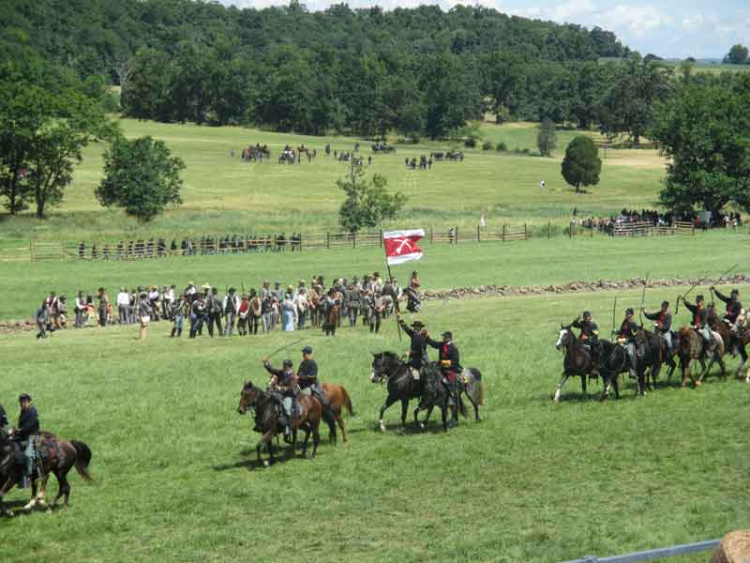
Experience the Eastern Theatre Yourself
Understanding the Eastern Theatre requires more than reading. The preserved battlefields, with their monuments, museums, and interpretative facilities, provide an immersive experience that brings history to life. Walking where soldiers fought, standing where commanders made fateful decisions, and grappling with the scale of sacrifice creates an understanding impossible to achieve any other way.
For those seeking to truly comprehend the American Civil War and its consequences for the nation, an Eastern Theatre battlefield tour is an essential pilgrimage. The ground itself teaches lessons that no textbook can convey.
 The American Civil War: The Western CampaignsStarts 21st April 2027 (12 days)
Explore the decisive Western Campaigns of the American Civil War, from Chickamauga and Shiloh to Vicksburg and New Orleans. Visit remarkably preserved battlefields, forts and museums while tracing the campaigns that shattered Confederate hopes and transformed the course of the war.View Tour Details
The American Civil War: Eastern Theater TourStarts 12th September 2027 (13 days)
Our 12-day tour is set amidst picturesque American countryside which, at this time of year, will be resplendent in early autumn colours: the scenic Shenandoah Valley, the mighty James River and a wealth of National Parks.View Tour Details
Custer and the Indian WarsJune 2028 (10 days)
Follow the last exploits of George Armstrong Custer as we travel through Sioux Country to the field of Little Bighorn with time to explore Yellowstone National ParkView Tour Details