The Apache Wars
Native Americans and Gunslingers in USA’s Wild Southwest
To be confirmed
The Apache Wars
Native Americans and Gunslingers in USA’s Wild Southwest
Tour Introduction
The American Southwest of the 19th century was a crucible of cultural collision, military expansion, Indigenous resistance, and frontier mythmaking. This turbulent history was embodied in the Apache Wars — America’s longest-running frontier conflict—which decisively shaped the political, military, and cultural landscape of the region. This encompassing tour explores the main sites in this period ranging from historic Tucson and untamed Tombstone, through the Chiricahua Apache heartlands and the strong points used to contain the Apache rebellion, including Forts Bowie, Selden and Stanton. At Fort Sumner we learn about the notorious and emblematic outlaw Billy the Kid before ending the tour at graceful Santa Fe with its unique blend of Indigenous, Spanish and American culture.
Background
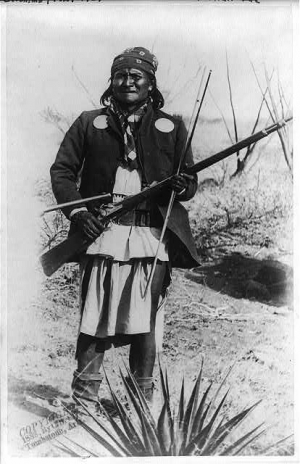
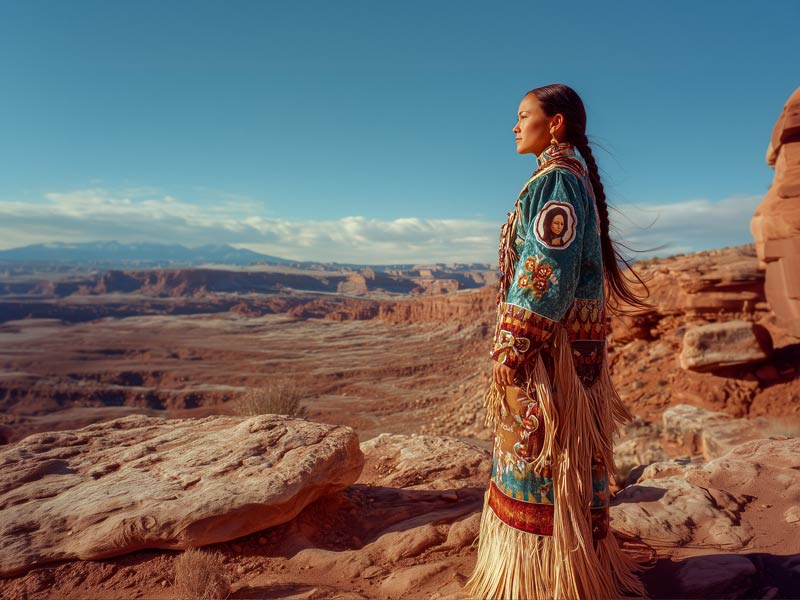
For generations, the Chiricahua Apache—led by figures such as Cochise and Geronimo—lived throughout the high desert and mountains from present day Tucson to the Chiricahua range, where rugged terrain offered natural defences and vital resources. Conflict escalated in mid-century as settlers, miners and soldiers pushed into Apache territory. The 1861 Bascom Affair, sparked by a misunderstanding over a kidnapped boy, shattered relations between Cochise and the US Army and ignited decades of warfare across southern Arizona and New Mexico.
In response, the Army built forts to secure travel routes and contain Apache resistance. Fort Bowie, established after the 1862 Battle of Apache Pass, controlled the crucial water source at Apache Spring and remained active until 1894. Tucson’s Presidio supported campaigns deeper into Apache lands, alongside other Southwestern posts such as Fort Bayard, Fort Stanton, and Fort Selden.
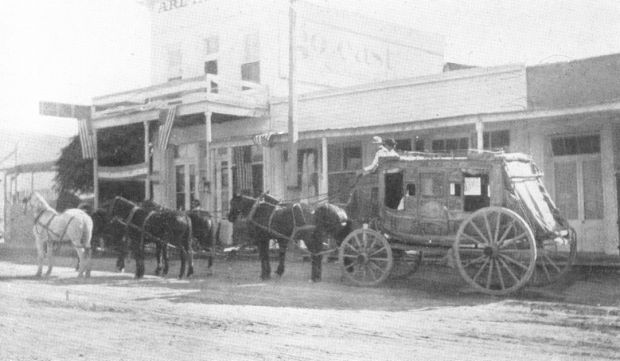
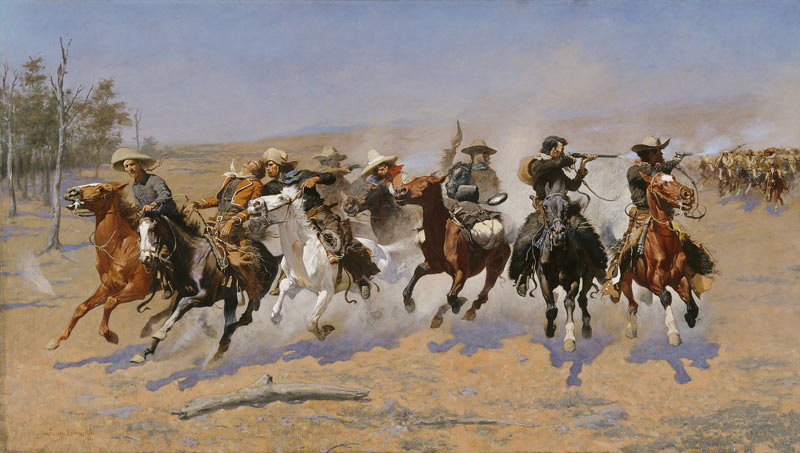
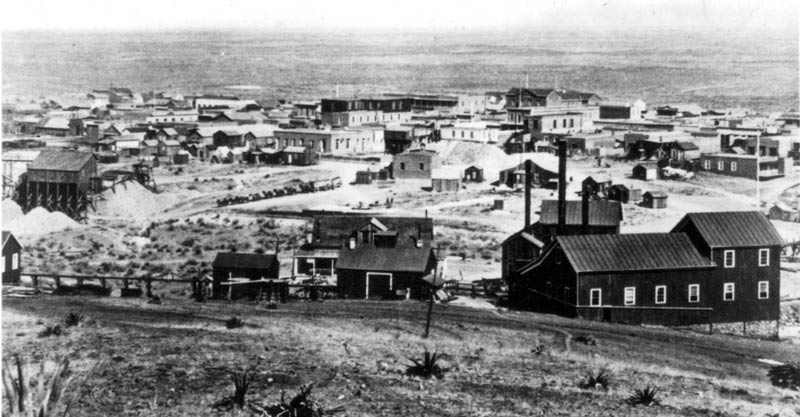
As warfare continued, frontier towns like Tucson and Tombstone boomed with mining wealth, saloons, and lawlessness, fuelling the gunslinger legends that defined Western mythology. Meanwhile in New Mexico, the Lincoln County War produced its most famous outlaw, Billy the Kid—an agile escape artist whose real life was more complex than legend suggests. His ties to Santa Fe reflected the city’s long standing blend of Pueblo, Spanish, Mexican, and American influences.
Amid upheaval, Taos Pueblo remained a resilient, continuously inhabited centre of Indigenous culture. Together, these stories reveal a Southwest forged through turbulent conflict and courageous endurance.
Highlights
• Visit key sites in the conflict between the expanding US and indigenous Americans including Fort Bayard, Fort Stanton, Fort Selden and Tucson’s Presidio fort
• Engage with the ancient culture of the Apache people at the Mescalero Museum
• Marvel at the adobe town of Taos Pueblo, UNESCO World Heritage Site, and home of an Indigenous community for over 1000 years
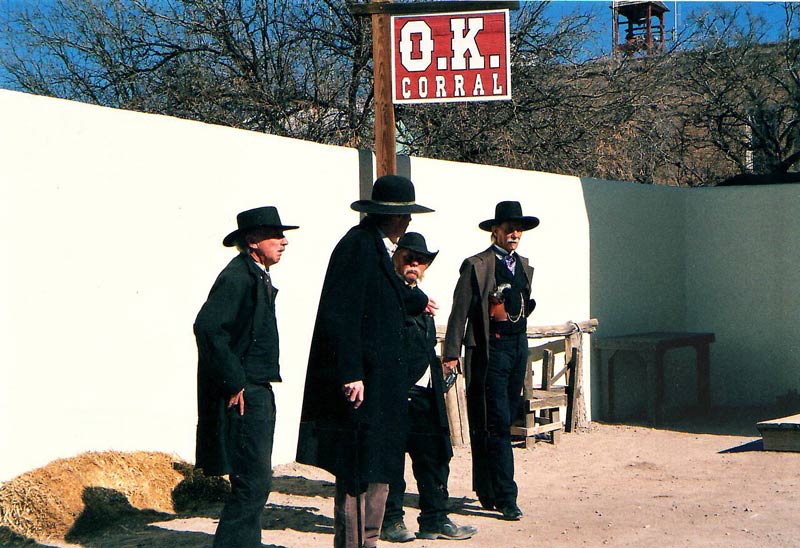
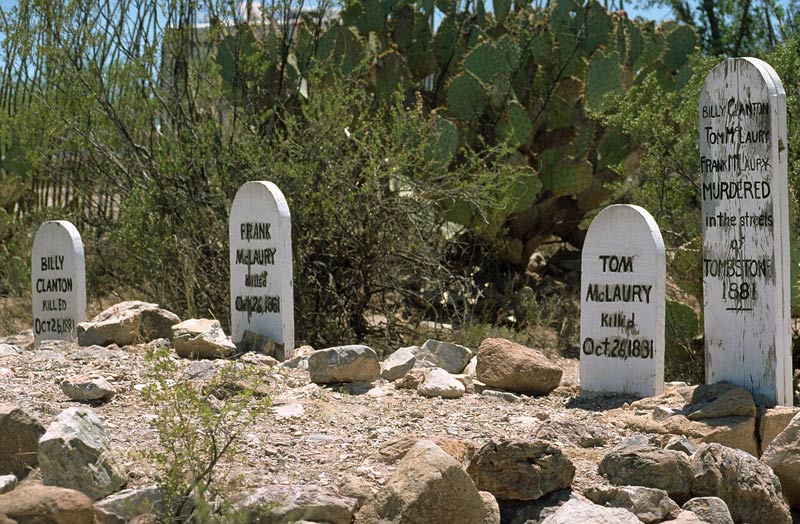
• Enjoy the spectacle of a gunfight at Tombstone, the old west’s ‘Town Too Tough to Die’
• Visit Fort Sumner, site of the demise of Billy the Kid, and see his grave nearby
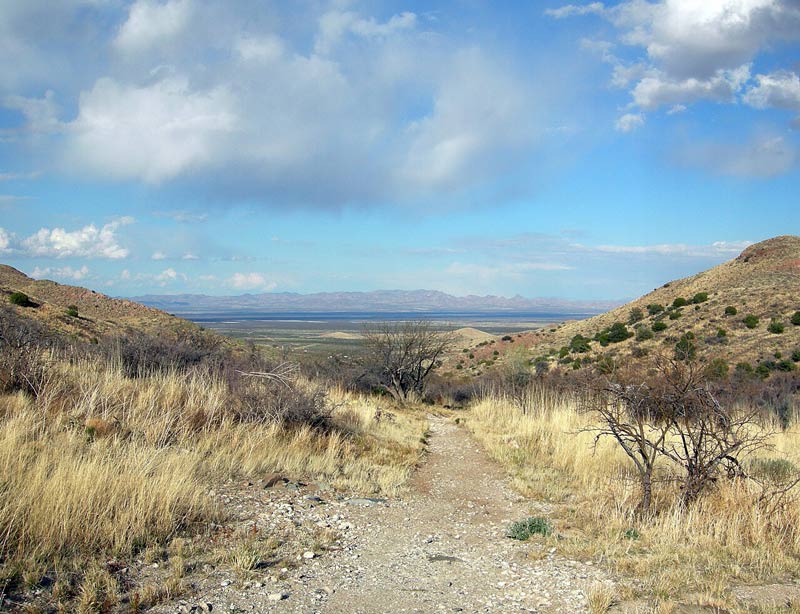
• Travel through spectacular scenery in Arizona and New Mexico
• Round off your trip with a visit to Los Alamos, home of the Manhattan Project where the world’s first atomic bomb was created
What's Included
- Best available accommodation
- Dedicated Tour Manager
- Helpful and friendly travel advice
- Meals as indicated in the itinerary
- Return flights from London (optional)
- The company of like-minded travelers
- Tour information booklet
- Two drinks i,e wine or beer at each dinner
- Access to the Cultural Experience app
"You're talking about the most perfect fighting machine God ever put on this earth... What you're talking about, General, is the tiger of the human species"
Lt. Charles Gatewood (1853 –1896)