The Industrial Revolution in Britain's North
Tour Introduction
This 5-night and 6-day tour is a journey through the Industrial Revolution of Britain’s North when the country became known as ‘the workshop of the world’. Through visits to buildings, canals, landscapes, communities, museums and workplaces we gain a superb insight into the crucial role the north played in the prosperity of the country and the shaping of its distinctive social identity. Britain was changed irrevocably by this revolution in technological innovation and the social challenges and movements that sprang from it.
From its nascency at Ironbridge through to the textile mills of Quarry Bank, and experimental factories and villages like Port Sunlight, we travel through landscapes that have played a crucial role in transforming not only Britain but the wider world.
Highlights
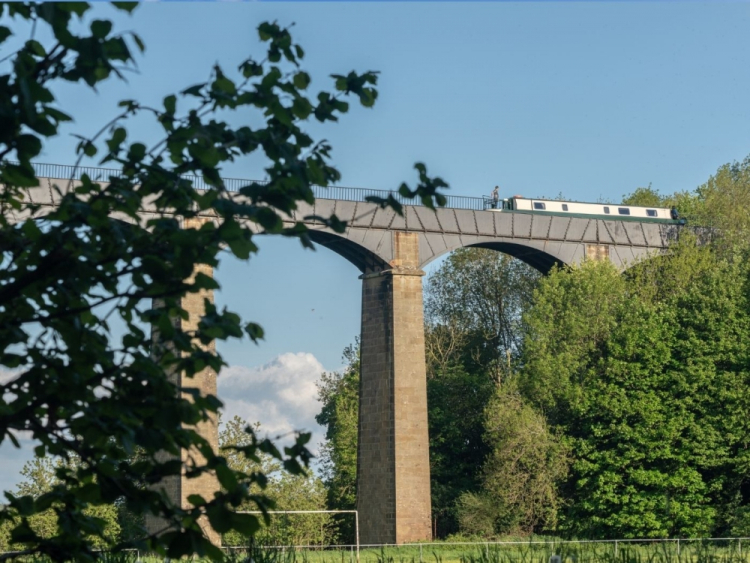
• Explore the key UNESCO World Heritage industrial sites of Ironbridge and Pontcysyllte
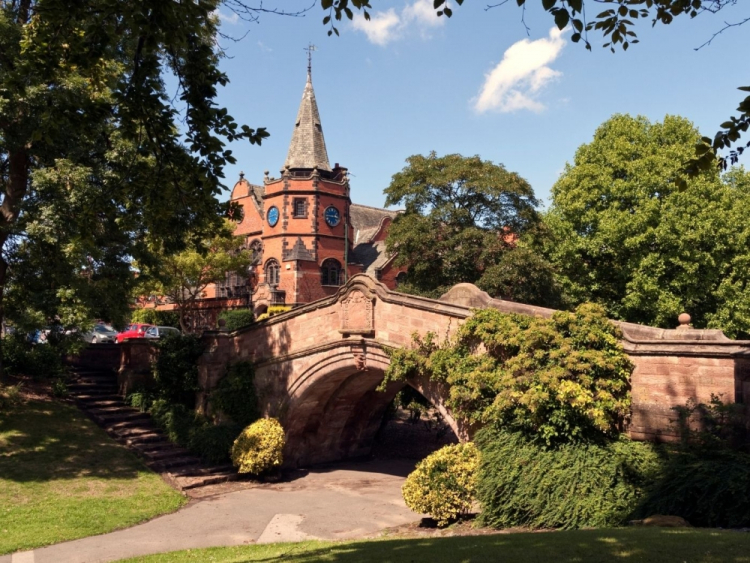
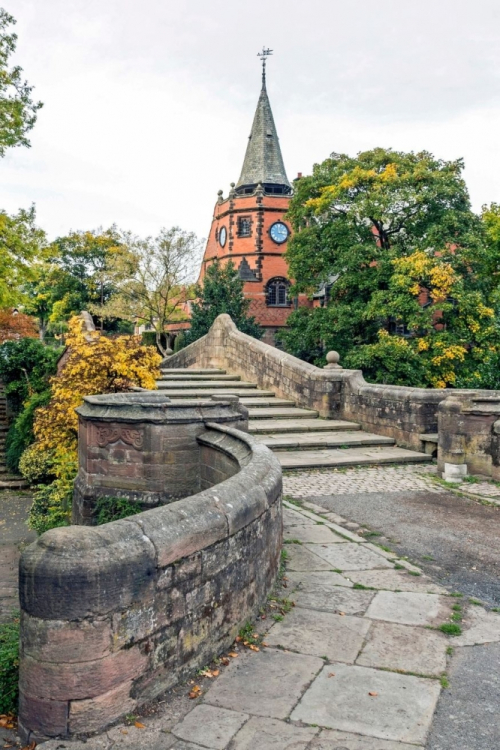
• Admire the efforts of a rich industrialist to improve the everyday conditions of their workforce at Port Sunlight
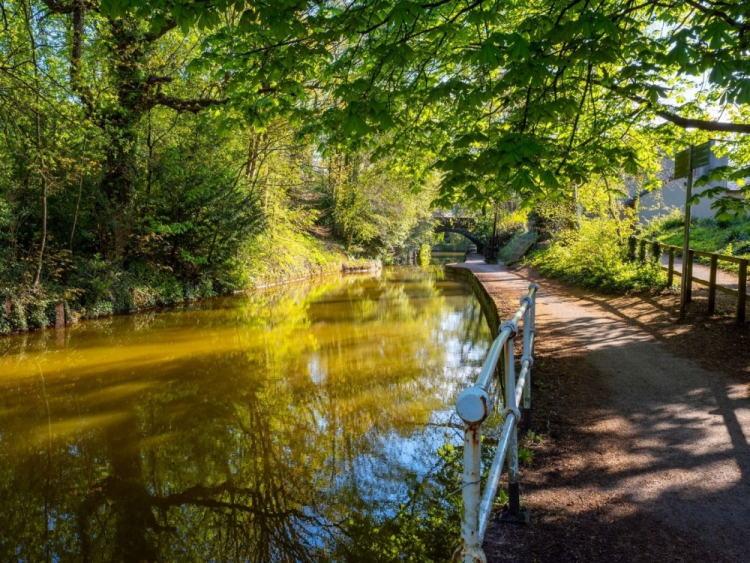
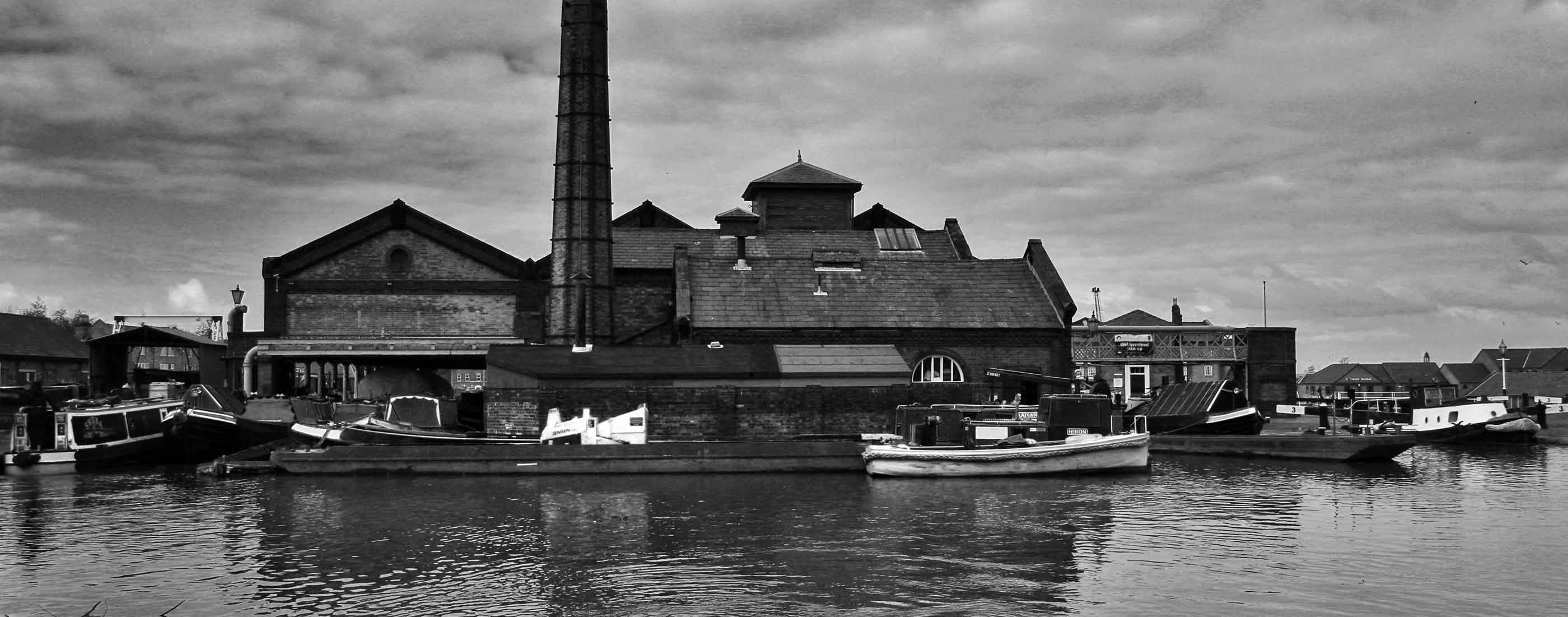
• Examine the growth of canals in Britain at the National Waterways Centre
• Spend a full day exploring the industrial history of Manchester and its crucial role in the development of the Industrial Revolution
• Examine the growth of social and political movements at Manchester’s People's History Museum and the Rochdale Pioneers Museum
Background
Britain’s North became the engine room of the Industrial Revolution because it combined the right resources, social conditions, and economic pressures at exactly the moment technological change accelerated in the eighteenth century. Coal seams provided abundant, cheap fuel, while fast flowing Pennine rivers powered early mills.
This natural energy base allowed inventors and entrepreneurs to scale up production far beyond what rural cottage industries could achieve. By the mid 18th century, population growth and expanding global trade created intense demand for textiles, especially cotton. Northern towns such as Manchester already had weaving traditions, so they were primed to adopt new machinery like the spinning jenny, water frame, and power loom.
These innovations concentrated labour in factories, drawing thousands from the countryside into rapidly growing industrial towns. But this was accompanied by exploitation, low wages, intense crowding, squalor and disease. The social movements that sprang from these conditions – including Trade Unions and Cooperative societies – are another prominent feature of Britain’s industrialisation.
Transport improvements reinforced this momentum. Canals such as the Bridgewater Canal (opened 1761) slashed the cost of moving coal and raw materials, and from the 1840s railways connected northern manufacturing centres to ports like Liverpool and Hull. The result was a dense industrial ecosystem where coal, iron, engineering, and textiles fed each other’s growth.
This transformation reshaped Britain’s economy and society, turning the North into a global symbol of mechanised production, urbanisation, and industrial capitalism.
What's Included
- 3 & 4 Star Hotels
- Two drinks i,e wine or beer at each dinner
- Tour information booklet
- The company of like-minded travelers
- Modern, comfortable, air-conditioned coach
- Meals as indicated in the itinerary
- Entrance fees for sites included in itinerary
- Dedicated Tour Manager
- All taxes and gratuities
- Access to the Cultural Experience app