
The Last Welsh Rebellion
Owain Glyndwr and the Castles of Edward I
Tour Introduction
At leisurely pace we explore the beauty of Wales: dramatic coastlines, verdant lake filled valleys, spectacular views atop its highest mountain, the magnificent UNESCO listed castles of Edward I, and traditional historic hotels. Due to the nature of castles and other sites we visit there will be a lot of uneven ground to walk over, but nothing that could be considered a challenge.
The historical sources for the events we follow are scant and sometimes dubious and those which do exist are obfuscated by tradition, myth, legend, and Welsh nationalist sentiment which means that much interpretation of these momentous times is dependent upon the contextual expertise of our historian, the application of common sense and inherent military probability. Whilst some sites associated with Glyndwr can be easily identified, there are many that are open to conjecture so come prepared for some lively debates as we place you amidst some of the greatest moments of the last attempt to gain Wales its much desired independence.
Logistical notes: There is long term parking available at NCP Shrewsbury and there are regular trains between there and Hereford. There are good one-change countrywide rail services to/from Shrewsbury and Hereford from UK mainline stations.
Highlights
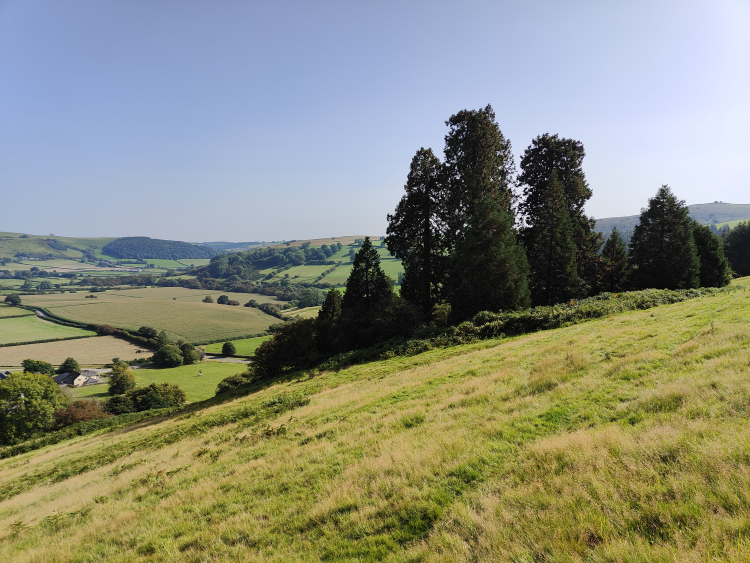
- Dramatic and glorious Welsh scenery
- Explore seven of Edward I’s castles
- Visit beautiful medieval churches and abbeys
- Ascend to the summit of Mount Snowdon by train
- Attend the Glyndŵr Day celebrations in Corwen
- The battles of Mt Hyddgen, Bryn Glas and Shrewsbury
- The final resting places of Owain Glyndŵr?
Tour Details
To be confirmed
Background
Following two campaigns to put down rebellions by Llywelyn ap Gruffydd, Edward I determined to surround troublesome North Wales with a ring of massive castles, the scale of which had never been conceived before. Mainly under the direction of his master architect, James of St George, these castles were built with lightning speed at the end of the 13th Century.
Whilst colossal, they were significantly under-manned, often struggling to contain their surroundings and would be severely tested during the war with the armies of Owain Glyndwr at the start of the following century. But who was Glyndwr? Hero or villain? Rebel or Prince? Freedom fighter or opportunist? An educated literate warrior who had served the English crown loyally he was well past his youth and probably looking forward to a sedate retirement when an unsettled land dispute became the catalyst for him to raise his standard on 16 September 1400.
Repelling numerous English incursions, through guile, diplomacy, disenchantment, devasting raid, skirmish, battle and siege, Glyndwr slowly but effectively gained control of his country.
In 1404 the first Welsh synod was held at Pennal swiftly followed by the creation of the first parliament at Machynlleth at which it is believed Glyndwr was crowned Prince of Wales. As a sovereign prince he engaged support from popes and kings and even agreed a ‘Tripartite Indenture’ with the great English families of Percy and Mortimer by which all three would carve up England and Wales between them. But gradually the English stranglehold tightened, international support diminished and, crucially, many of his lieutenants were either dead or disenchanted.
At a besieged Harlech Castle in 1409, to avoid capture, he abandoned his wife and family to English honour and fled to the Welsh mountains from where, over the next six years, his insurrection descended into piecemeal, vengeful and ineffective raids. And then he was gone! Disappeared.
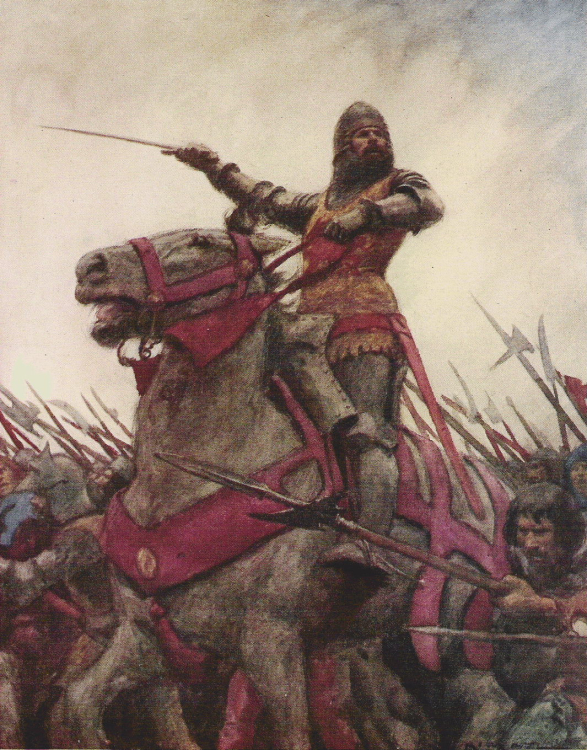
"“Children of the mountains, unsheathe the sword.”"
Elias Williams during WW1
What's Included
- 3 & 4 Star Hotels
- Entrance fees for sites included in itinerary
- Dedicated Tour Manager
- Expert historians throughout providing a daily variety of talks, presentations and Q&A
- The company of like-minded travelers
- Dinner parties hosted by your expert historians and tour manager
- Meals as indicated in the itinerary
- Buffet breakfast each morning
- Two drinks i,e wine or beer at each dinner and a welcome drink on first evening
- Helpful and friendly travel advice
- Tour information booklet
- Modern, comfortable, air-conditioned coach
Itinerary
Day 1: Ancestral Home
Day 1: Ancestral Home
Assemble Shrewsbury station by 14:00. Visit the site of Glyndŵr's ancestral home at Sycarth. Drive to Ruthin and check-in to our hotel for two nights. Enjoy pre-dinner drinks and introductory talk. (D).
Day 2: Raising the Standard
Day 2: Raising the Standard
From the remains of his manorial home at Glyndyfrdwy we discuss Glyndŵr's proclamation as Prince of Wales and then on its 626th anniversary we join the local community of Corwen in their celebration besides the magnificent bronze statue. Those fit enough will have the opportunity to walk up (1km, 10%, level 2) to the Iron Age fort of Caer Drewyn where the standard was formally raised. Thence to Rhuddlan, ravaged by Glyndwr in 1400 whilst its magnificent castle, the first to be built by Edward I, was held throughout. (B,D)
Days 3 & 4: The Iron Ring
Days 3 & 4: The Iron Ring
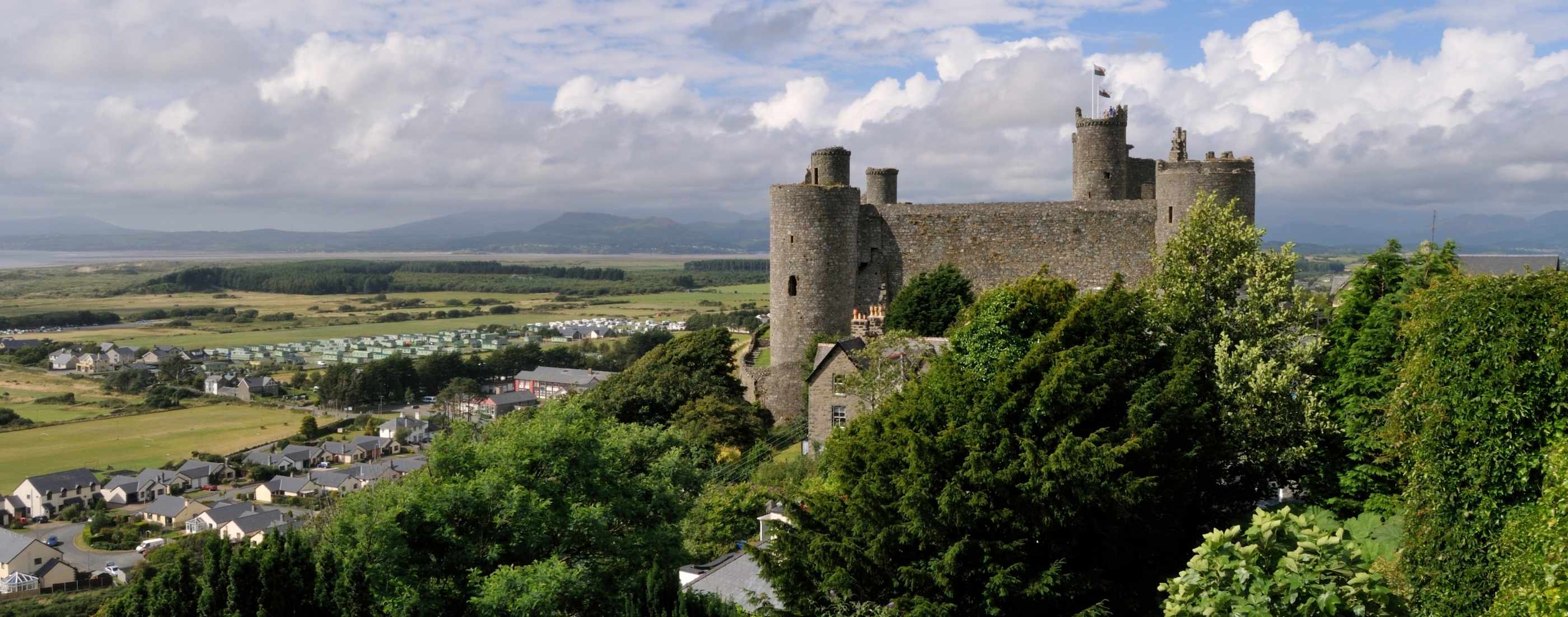
Built by Edward 1 in the late 13th century to contain the rebellious Welsh, we spend the next couple of days exploring the formidable castles that played a pivotal role during the war. Our base for two nights is Llanberis situated at the foot of mighty Mount Snowdon. During our first day we will visit Conwy, seized by subterfuge in April 1401; cross the Menai Strait to Anglesey to examine the ebb and flow of the rebellion especially around the wonderful concentric fortress of Beaumaris; and end our day at mighty Caernarfon castle, stoutly defended by the English throughout. Our second day we explore Criccieth and Harlech castles, both of which fell to the Welsh in 1404, the former still in the condition in which it was left whilst the latter became the home and seat of government for Glyndwr for some five years until its recapture. (B,D)
Day 5: Mt Snowdon and Pennal
Day 5: Mt Snowdon and Pennal
This morning we take the return rail journey to the summit of Mt Snowdon to gain, weather permitting, a fabulous panorama over the land that Glyndŵr cherished and fought for. We visit the ruins of Cymer Abbey in the vicinity of which Glyndwr narrowly avoided assassination by his cousin and at Llanelltyd Bridge we discuss how the property and supporters of his adversary were slighted and slain in revenge. At Pennal we discuss Glyndŵr's vision of an independent Wales, explore the Heritage Garden of St Peter ad Vincula and discuss the impact of the 'Pennal letter'. Thence to Machynlleth for two nights, home of the Owain Glyndŵr Centre. (B,D)
Day 6: Mynedd Hyddgen and Aberystwyth
Day 6: Mynedd Hyddgen and Aberystwyth
Our day starts at the Owain Glyndŵr centre built upon the foundations of Glyndwr's first parliament. Thence to Aberystwyth to explore the ruins of the castle which secured Welsh sea access to the north until it was retaken with the use of artillery in 1408. Amidst the remote bog-ridden valley of the Afon Hyddgen nestling below its eponymous hill, we see where Glyndŵr's men mercilessly fell upon their pursuers in June 1401. Dinner this evening is at your own expense (B)
Day 7: Bryn Glas & Shrewsbury
Day 7: Bryn Glas & Shrewsbury
Besides the delightful medieval church of Pilleth situated below Bryn Glas we determine how Glyndwr defeated a much larger force under Edmund Mortimer. Thence to Shrewsbury where the defeat of Harry 'Hotspur' Percy by Henry IV and Prince Hal in 1403 significantly impacted the momentum of the rebellion. Continue to Hereford for two nights. (B,D)
Day 8: The End
Day 8: The End
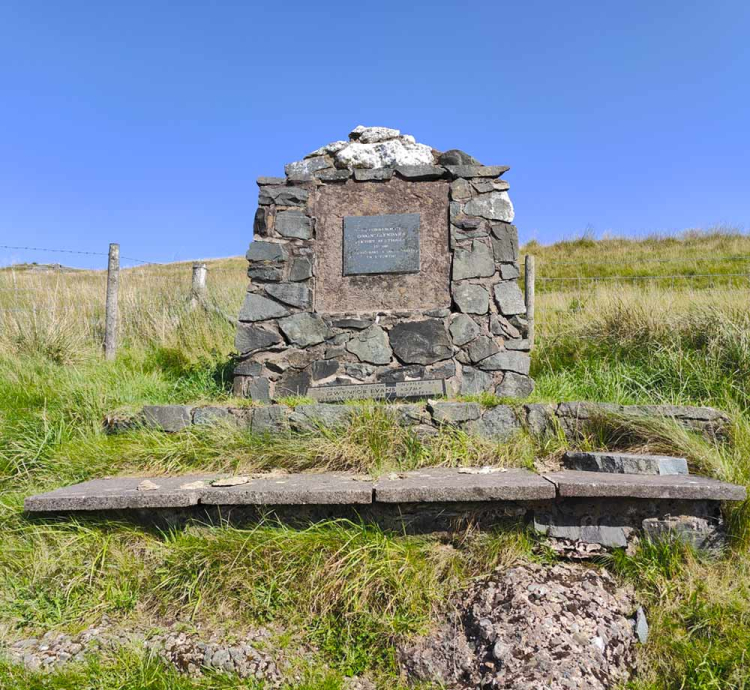
At Woodbury Hill we evaluate the missed opportunity for battle in 1405 and discuss single combats between opposing knights. We look at the small skirmish on Campston Hill before relaxing over lunch break at Monmouth, birthplace of Henry V. This afternoon we visit Grosmont Castle, besieged by Owain's son Gruffudd in 1405. Whilst nobody knows where Owain was buried, we end our day at Monnington Churchyard, a very strong contender. (B,D)
Day 9: Farewell
Day 9: Farewell
Disperse after breakfast. (B). Before leaving Hereford you might take the opportunity to explore its historical centre.