
Paraguay and the War of the Triple Alliance
The Great South American War, 1864 to 1870
Tour Introduction
Our journey begins in Rio de Janeiro, where we explore sites connected with Brazil’s military past, including the Copacabana forts and the National Museum, home to important war paintings and artefacts. Participants who wish to experience Rio’s iconic landmarks, including Sugar Loaf Mountain, Christ the Redeemer and the famous beaches, may choose to arrive early.
From Rio we fly to Asunción, Paraguay’s capital, before transferring to Pilar on the Paraná River. Pilar serves as our base for exploring the principal battlefields of the southern campaign, including Paso de Patria, Estero Bellaco, Tuyutí, Curupayty and the formidable fortress of Humaitá. Along the way we examine the terrain of the Pikysyry campaign and the December 1868 battles of Lomas Valentinas and Avay.
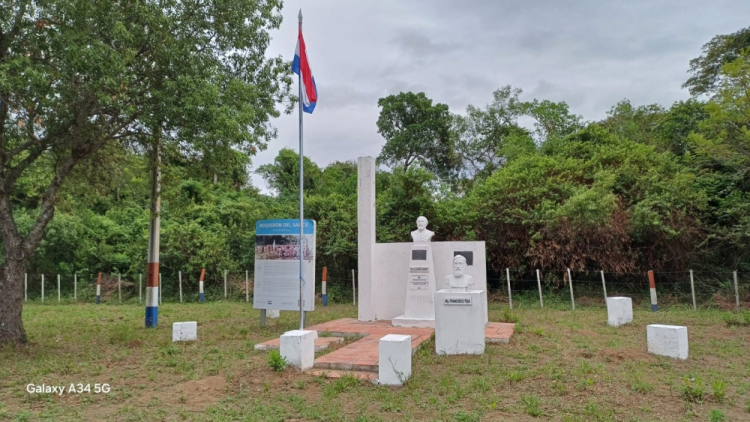
Travelling eastward into the hills of Ybycuí National Park, we visit the remains of Latin America’s first iron foundry, a key symbol of Paraguay’s wartime industrial effort, as well as a historic Jesuit mission site that helps illuminate the deeper cultural history of the region. From a base near Piribebuy we study the final phase of the war, including the tragic actions at Piribebuy and Acosta Ñu. In a nearby park we explore surviving remains associated with López’s navy.
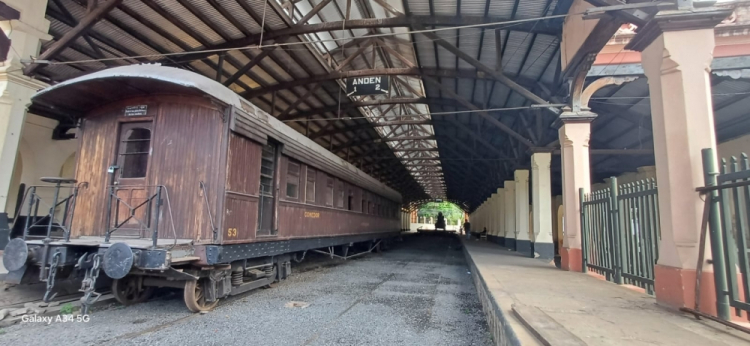
Returning to Asunción, we examine what survives of López’s palace and visit the old railway station, an important reminder of Paraguay’s pre war modernisation. A visit to the grave of Eliza Lynch provides an opportunity to discuss her life and controversial role during the conflict.
While in the capital we also consider Paraguay’s later twentieth century history, including the dictatorship of Alfredo Stroessner and the country’s role as a refuge for former Nazis. The tour concludes in Buenos Aires.
A guided exploration of the city helps place the war in its broader regional context, particularly the strategic importance of control over the Paraná and Río de la Plata river systems, which lay at the heart of the conflict. Participants return directly to the UK from Buenos Aires. This tour involves travel through challenging terrain and exposure to potentially demanding weather conditions.
Some journeys will be undertaken by four wheel drive vehicle, and accommodation outside major cities will be locally run rather than international chain standard. Flexibility and a willingness to adapt are essential qualities for participants.
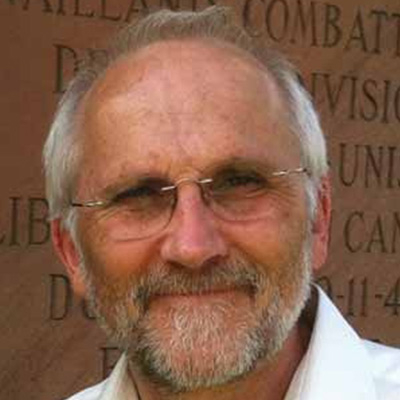
Dr Bruce Cherry
A former university lecturer with his PhD in military history, Bruce has been guiding on the Western Front since the late 1980s. Indeed for many years he operated a range of First and Second World War tours out of Lille. Amongst other titles, he is the author of ’They Didn't Want to Die Virgins; a study of Sex and Morale on the Western Front'. As an academic, his tours very much emphasise the learning aspect that is to be gained from battlefield touring.
Background
The war fought between 1864 and 1870 between Paraguay and the Triple Alliance of Brazil, Argentina and Uruguay remains one of the most devastating and controversial conflicts of the nineteenth century.
Despite unfolding at the same time as the American Civil War, the Franco Prussian War, and several British imperial campaigns, it remains comparatively little known outside Latin America. Yet in scale, intensity and consequence, it stands among the most extraordinary wars of its era.
Over nearly six years of fighting, Paraguay was brought to ruin. The conflict culminated in the deaths of up to 80 percent of its population, a demographic catastrophe almost without parallel in modern history. The principal theatres of war lay along the Paraná and Paraguay river systems, waterways that were strategically vital for trade, communication and political control in the region.
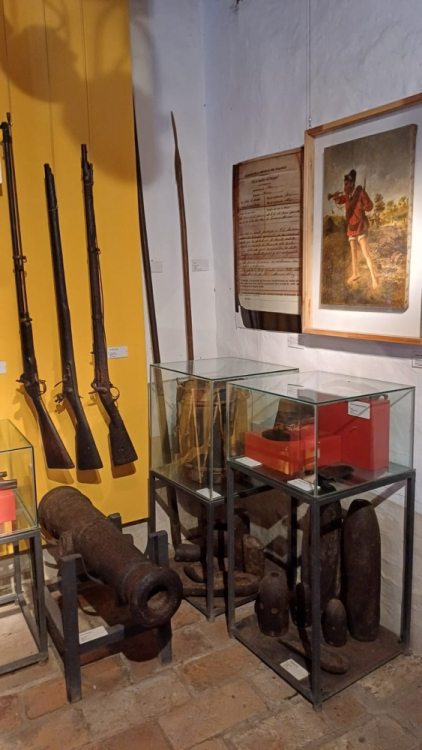
At the heart of the struggle stood the vast fortress complex of Humaitá, often described as the Gibraltar of South America, guarding access to the Paraguayan interior. The war combined elements of Napoleonic warfare with emerging industrial technology. Paraguayan forces, increasingly composed of old men, women and boys as the conflict dragged on, fought with a mixture of ageing smoothbore muskets, edged weapons and improvised armaments.
Opposing them were the industrial and numerical resources of the Triple Alliance, including ironclad warships, modern rifled artillery, observation balloons and increasingly coordinated joint land and river operations.
Leading Paraguay was President Francisco Solano López, a figure who remains deeply divisive. To some he was a patriot who resisted overwhelming odds, to others a reckless autocrat whose decisions brought disaster upon his nation. His leadership, and the wider causes and consequences of the war, continue to provoke historical debate and contemporary political resonance throughout the region.
Few nineteenth century wars combined such scale of destruction, technological transition, political controversy and lasting national trauma.
"The war in Paraguay has been carried on with a bitterness and a persistency which leave little parallel in modern history."
Sir Richard Francis Burton, Letters from the Battlefields of Paraguay (1870)