
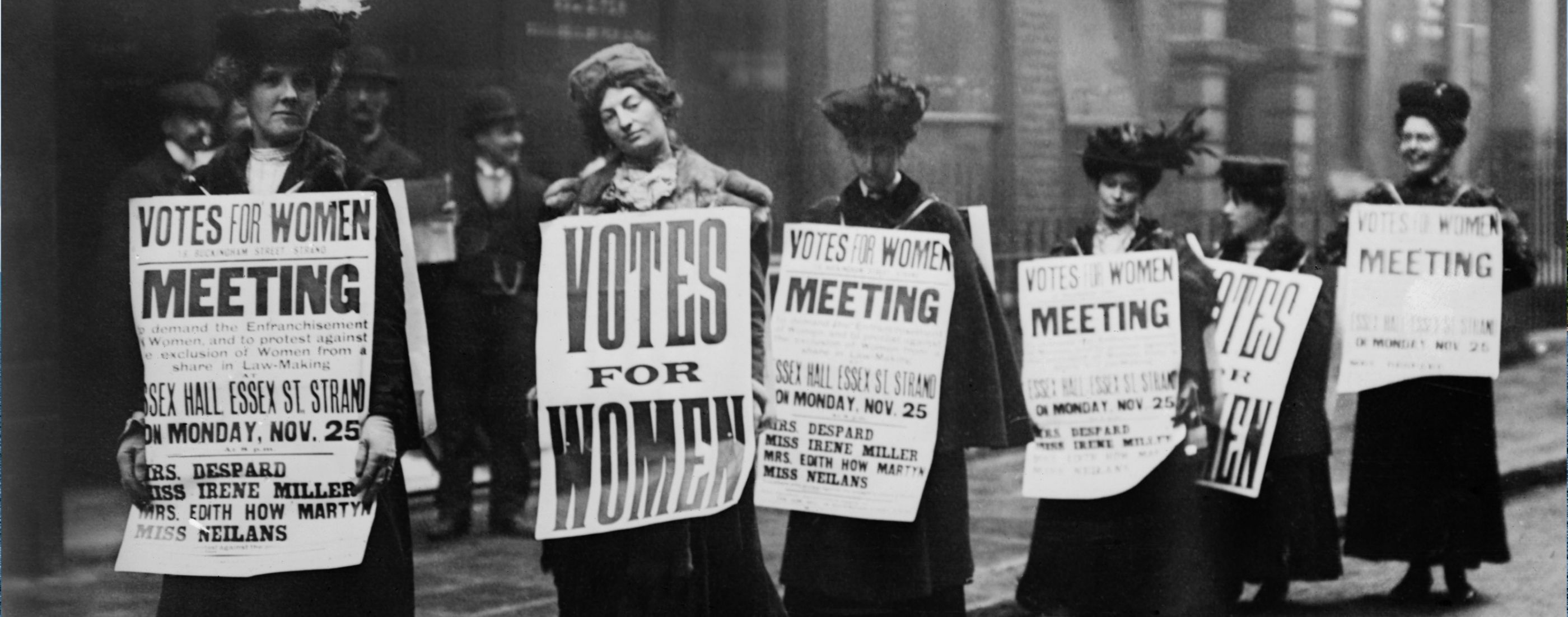
The Suffragettes
Deeds, not words
Tour Introduction
This 4-night and 5-day tour explores the militant Suffragette movement in Britain from its origins in a Manchester parlour room through to dramatic acts of civil disobedience in the nation’s capital and beyond.
From Manchester—the birthplace of the Women’s Social and Political Union and home of the Pankhurst Centre—to the iconic protest sites in London of Parliament Square, Downing Street, Trafalgar Square and Buckingham Palace, we explore the dramatic locations where the fight for women’s voting rights turned bold and militant.
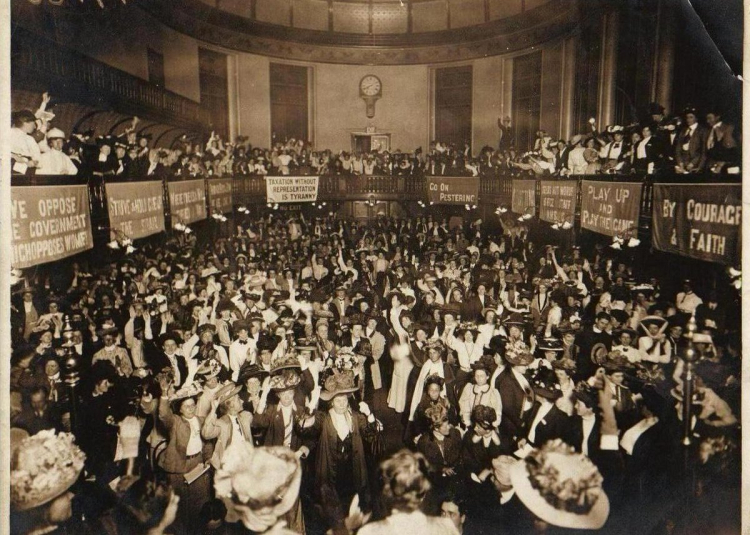
Stand before Caxton Hall, once the gathering place for the famous “Women’s Parliaments,” and visit Epsom Racecourse, where Emily Davison’s tragic and heroic act marked her as the movement’s first martyr. This tour offers a compelling insight into the struggle, sacrifice and unstoppable determination that defined the Suffragette cause.
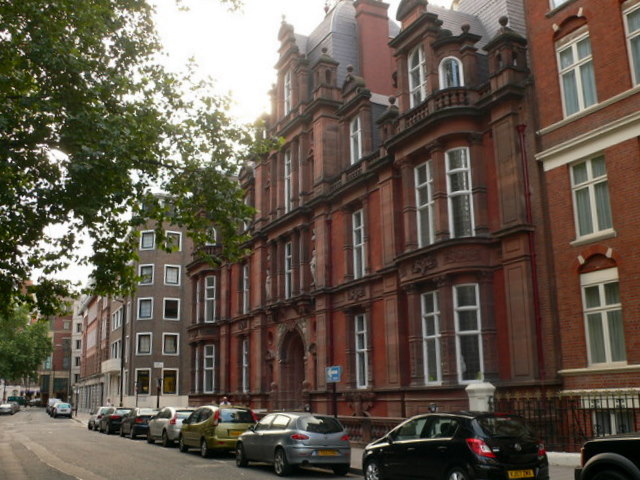
Caxton Hall
A special feature of this tour is dinner with Helen Pankhurst, great-granddaughter of the Suffragette leader Emmeline Pankhurst, who will talk about the movement, her family and her own work in continuing the legacy.
Highlights
• An evening with Helen Pankhurst, great-granddaughter of Emmeline, accompanied by dinner
• Visit the National Archives to view close up original Suffragette documents in the company of professional archivists
• Explore Manchester, cradle of the Suffragette movement, and The Pankhurst Centre where the WSPU was founded in the parlour of the Pankhurst home
• Stand at Parliament Square, site of numerous Suffragette demonstrations and protests, where the fight for women’s right to vote became highly militant
• Learn about the dramatic campaigns of disruption and violence that were part of the Suffragettes’ strategy at Downing Street, Trafalgar Square and Buckingham Palace
• Visit Caxton Hall (outside only) site of the famous ‘Women’s Parliaments’
• Look over Epsom Racecourse to see where Emily Davison was knocked down by the King’s horse, becoming the movement’s first martyr
Interested in this tour but not ready to book? Register your interest using the link below and we will keep you updated on the progress of the tour.
Expert Guides

Prof Sarah Richardson
Sarah Richardson, is a Professor of Modern British History at the University of Glasgow.
A political historian by training she has extensive expertise in the history of gender and political culture, particularly in the pre-history of the women's suffrage movement.
With Dr Tara Morton she established the Mapping Women's Suffrage Project and is a contributor to the 2024 publication, The Routledge Companion to Women's Suffrage.
is active in the public dissemination of her research, contributing to the television programmes Who Do You Think You Are?, Secrets of the London Underground and Secrets of the Royal Palaces, and hosting her own Radio 4 Documentary, Votes for Victorian Women.
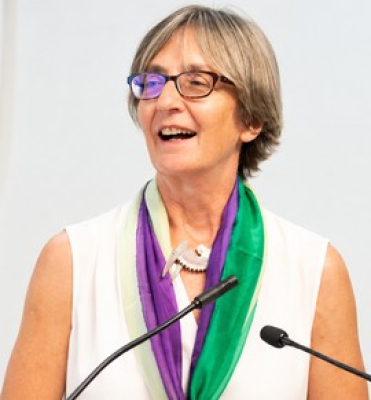
Dr Helen Pankhurst
Dr Helen Pankhurst CBE is a women’s rights activist and advisor to CARE International, previously at WaterAid, Womankind Worldwide and ACORD. She is a Visiting Professor at Manchester Metropolitan University and was Chancellor of the University of Suffolk. The great-granddaughter of Emmeline and granddaughter of Sylvia Pankhurst, she carries on the legacy through public speaking and convening of Centenary Action and GM4Women2028. Publications include: Deeds Not Words, the Story of Women’s Rights, Then and Now (2018).
Background
The Suffragettes were an active women’s rights movement that emerged from the broader women’s suffrage movement which had gained traction in Britain by the end of the nineteenth century. Frustrated with the slow progress of the movement in 1903 Emmeline Pankhurst founded the Women’s Social and Political Union (WSPU) with a view to developing a more militant direction. While earlier suffragists had used peaceful lobbying, the WSPU adopted the motto ‘Deeds, not words,’ embracing direct action to draw national attention to their cause.
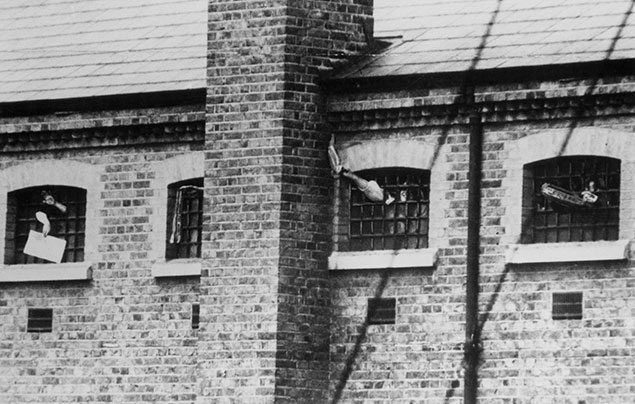
Suffragettes organised marches, disrupted political meetings, chained themselves to railings, and staged acts of civil disobedience. Some escalated to property damage and arson attacks on empty buildings in protest at government inaction. Their arrests often led to hunger strikes in prison and, in response, authorities force fed many imprisoned women, prompting public outrage and increasing sympathy for the movement.
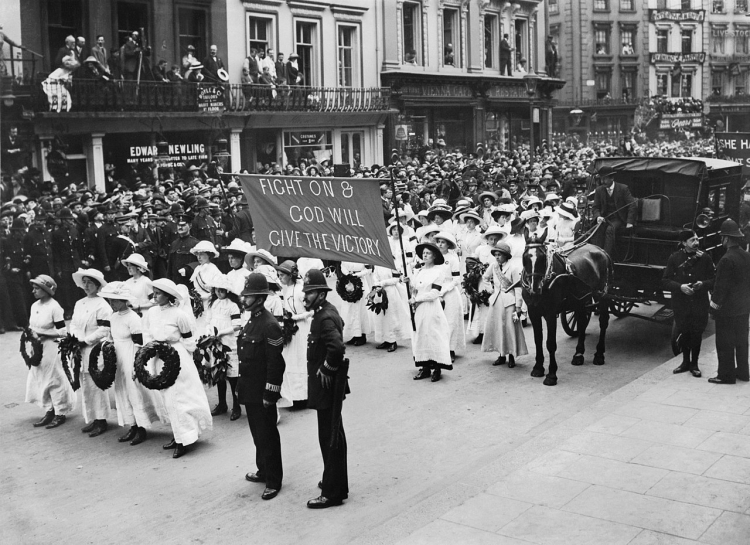
During the First World War, the WSPU suspended militant action and supported the war effort, which helped shift public perception. In 1918, after decades of activism, Parliament granted voting rights to women over 30 who met certain property requirements. Full electoral equality came a decade later, in 1928, when women gained the vote on the same terms as men—fulfilling the Suffragettes’ long fought goal.
What's Included
- 4 Star Hotels
- Dedicated Tour Manager
- Entrance fees for sites included in itinerary
- Helpful and friendly travel advice
- Meals as indicated in the itinerary
- Two drinks i,e wine or beer at each dinner
- Buffet breakfast each morning
Tour Itinerary
Day 1: Arrival and birthplace of the movement:
Day 1: Arrival and birthplace of the movement:
Assemble at our Manchester hotel at midday for a buffet lunch and introductory talk. Visit the Pankhurst Centre, home of the Pankhurst family, in whose parlour Emmeline and Christabel Pankhurst founded the WSPU in 1903. Hotel in Manchester – 1 night. (L, D).
Day 2: Manchester - 'deeds not words’:
Day 2: Manchester - 'deeds not words’:
Today we embark on a tour of the places where the movement showed its first acts of militancy and potential for disruption. At the Manchester Free Trade Hall we learn about the events of 1905 when activists Christabel Pankhurst and Annie Kenney were ejected from a political event and immediately began an impromptu meeting outside. This led to their arrest and appearance in court. At Alexandra Park we stand at the site of the ‘Great Demonstration’ of October 1908, which saw thousands of Suffragists marching to a large political rally. We take a fast afternoon train to London and check in to our hotel. Hotel in London – 3 nights. (B, D).
Day 3: London – law-breakers to law-makers:
Day 3: London – law-breakers to law-makers:
We start at Parliament Square, site of several Suffragette demonstrations and the notorious ‘Black Friday’ of 1910 when 300 protesters faced violent police brutality. We then embark on a guided tour of the Houses of Parliament, centre of British power and government, where the issues of female suffrage were so fiercely debated, and where the landmark 1918 and 1928 Acts were passed.
In the afternoon we visit the National Archives at Kew where we have privileged access to original Suffragette documents, interpreted for us by professional archivists. This is a unique opportunity to get close to the history of the movement and the characters involved.
An evening with Helen Pankhurst including dinner. (B, L, D).
Day 4: Tragedy:
Day 4: Tragedy:
Making the short train journey to Epsom Downs Racecourse we view the location where at the Derby of 4 June 1913 Emily Davison was knocked down by the King’s horse, dying later from her injuries. This was a pivotal moment in the movement and soon after its leadership declared an ‘amnesty’ with the government. We return to Westminster to view sites where Suffragism made its maximum impact. These include the iconic Caxton Hall, site of the 'Women's Parliaments', which ran parallel to Westminster sessions, and the nearby Suffragette memorial.
We also pass by Downing Street, home of British Prime Ministers for nearly 300 years, and the end point of the 1910 ‘Battle of Downing Street’. Other visits include Trafalgar Square and Buckingham Palace (outside only), site of the failed 1914 petition when a fierce struggle between Suffragettes and police resulted in 60 arrests. (B, D).
Day 5: The legacy of Suffragism and departure:
Day 5: The legacy of Suffragism and departure:
On our last morning we visit Brompton Cemetery to view the tombs of Emmeline Pankhurst and other prominent women. Long a site of pilgrimage for the women’s movement these tombs provide a focal point to discuss the legacy of the movement and a fitting end to our exploration of some of Britain’s most remarkable women. Return to hotel not before 12.00 where the tour ends. (B).