
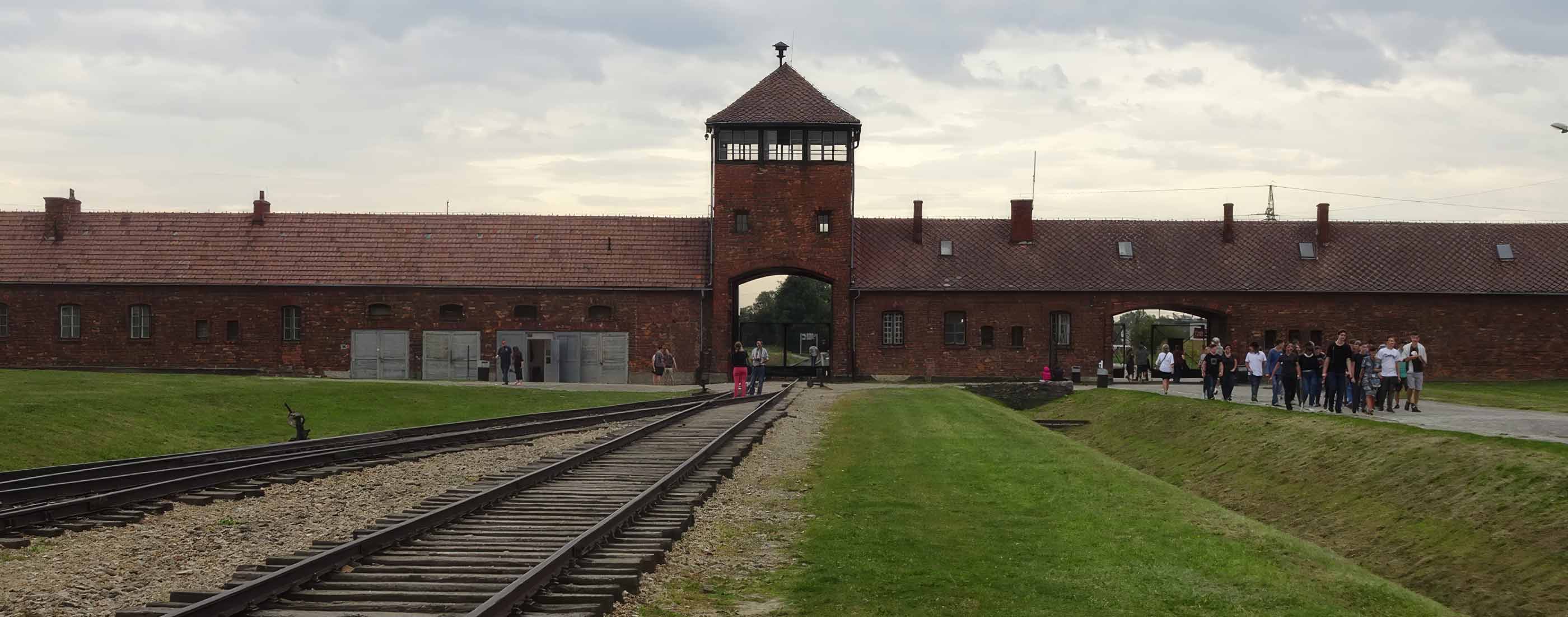

The Holocaust
Poland and the Nazi Death Camps
Tour Introduction
In this 8-day tour to Poland, we visit the sites of the former ghettos in Warsaw, Lublin and Krakow alongside two purpose-built death camps (Treblinka, Belzec), and two multifunctional camps that were both concentration camps and death camps (Majdanek, Auschwitz).
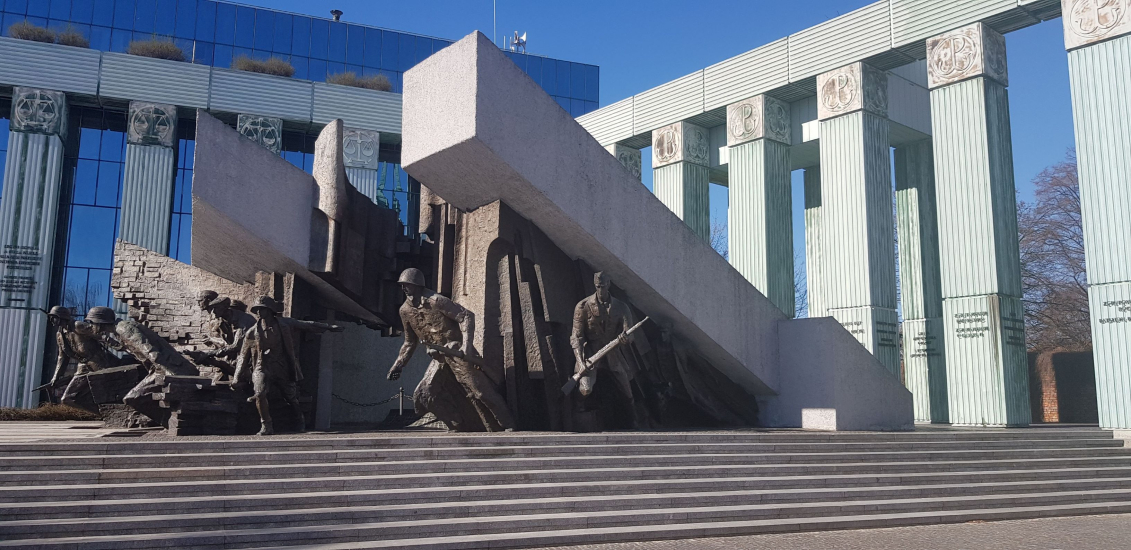
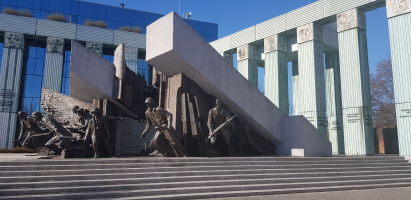
We look at the struggle of both the Jews and non-Jewish Poles against their oppressors, visiting the scenes of Ghetto Uprising in 1943 and the memorial to the Warsaw Rising in 1944. You will see the shift from complete physical destruction of ghetto and camp to the actual remnants due to the rapid advance of the Soviets.
However, the tour is not limited to the serious and emotive history of the Holocaust, with its clear message for future generations. We also enjoy expert guided tours of the historic cities of Warsaw and Krakow. We sample much of the local culture and visit the world-famous salt mine at Wieliczka.
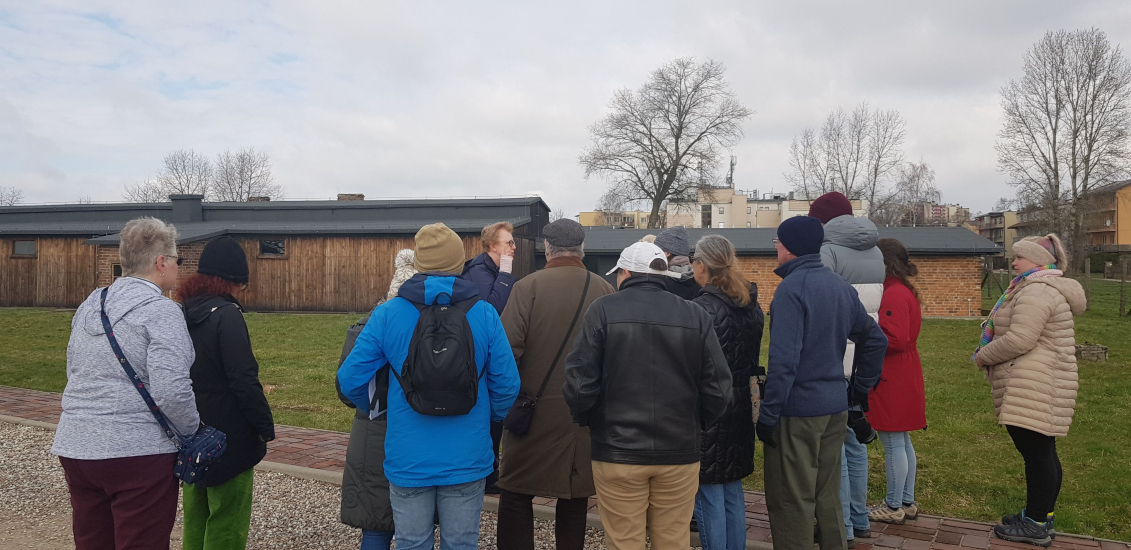
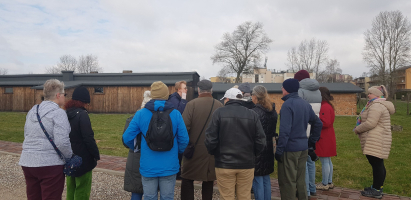
Each evening we will dine in a different local restaurant to enjoy a wealth of a rich local cuisine. The topography of the sites we visit involves a fair amount of walking: at Auschwitz/Birkenau you will cover almost 8 miles over the course of the day, but that is necessary to achieve a full appreciation of the subject.
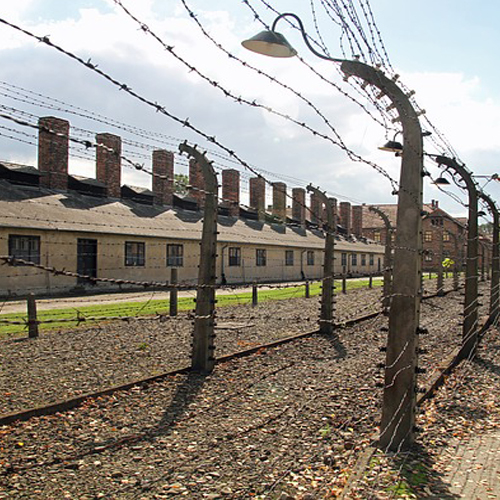
Highlights
- With Dr Isabel Wollaston, Professor Tim Cole, Martin Winstone or Dr Alasdair Richardson
- See parts of ghetto walls in Warsaw
- The POLIN Museum of the History of Polish Jews
- Treblinka memorial and museum
- The multi-purpose prisoner of war camp, concentration camp and death camp at Majdanek, on the outskirts of Lublin
- Belzec camp and museum
- Guided tour of the architectural wealth of Krakow's Old Town, and former Jewish quarter in Kazimierz, now a major cultural and heritage site (and which featured heavily in Steven Spielberg’s film Schindler’s List.
- Full day at Auschwitz and Birkenau
- Visit the awesome 700 year old salt mine at Wieliczka
Tour Details
Interested in this tour but not ready to book? Register your interest using the link below and we will keep you updated on the progress of the tour.
Expert Guides

Dr Isabel Wollaston
Isabel Wollaston is Associate Professor in Jewish and Holocaust Studies at the University of Birmingham. She is an expert on the history, representation and memorialization of the Holocaust, with particular reference to Auschwitz. In 2015 Isabel served as President of the British & Irish Association for Holocaust Studies (BAIHS). She is currently a member of the UK Holocaust Memorial Foundation Academic Advisory Board for the planned new national memorial and learning centre in London. In November 2017 she was part of a panel representing BIAHS at a European Association for Jewish Studies conference in Krakow marking the 70th anniversary of the creation of the Auschwitz-Birkenau State Museum. Her contribution was published as '(Re-)visualizing the “heart of hell'? Representations of the Auschwitz Sonderkommando in the art of David Olère and Son of Saul (László Nemes, 2015)', Holocaust Studies 27:1 (2021). Further publications include A War against Memory? The Future of Holocaust Remembrance (1996); ‘‘Negotiating the marketplace: The role(s) of Holocaust museums today’, Journal of Modern Jewish Studies 4:1 (2005); ‘The absent, the partial and the iconic in archival photographs of the Holocaust’ in Hannah Ewence and Helen Spurling (eds), Visualizing Jews through the Ages (2015); (with Dominic Williams) , ‘The Sonderkommando and the Auschwitz-Birkenau Memorial Museum’ in Nicholas Chare & Dominic Williams (eds), Testimonies of Resistance: Representations of the Auschwitz-Birkenau Sonderkommando (2019); and “I belong here. I know I ought never to have come back, because it has proved I've never been away”: Kitty Hart-Moxon's documentaries of return’ in Tom Lawson & Andy Pearce (eds), The Palgrave Handbook of Britain and the Holocaust (2020).
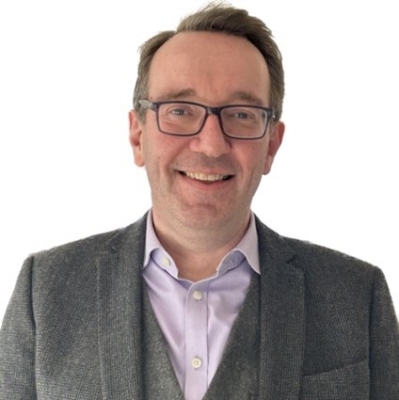
Dr Alasdair Richardson
Dr Alasdair Richardson is Reader in Holocaust Education at the University of Winchester and is currently seconded part-time to the Holocaust Educational Trust as Senior Advisor for Educational Content & Delivery. He is a Fellow of the Royal Historical Society, a member of the International Network of Genocide Scholars, and is a former President of the British & Irish Association for Holocaust Studies. He is a member of advisory boards for the Holocaust Memorial Day Trust, and Holocaust Learning UK. Alasdair has published widely in the field of Holocaust Education, with a particular focus on exploring young people’s experiences and learning at Holocaust-related sites, and on the Nazi persecution of Catholics. He has been an educator on the Holocaust Educational Trust’s ‘Lessons from Auschwitz’ programme since 2012, accompanying over 40 educational visits to Poland.
Background
Under Communism, in Poland it was traditional to refer to ‘six million Poles murdered during World War II’, a figure that referred to 3 million non-Jewish Poles and 3 million Polish Jews.
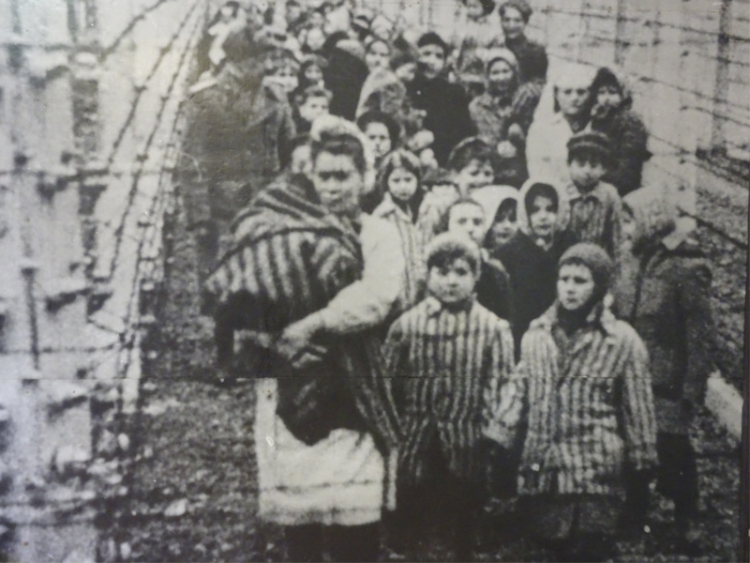
Those Polish Jews were murdered in ghettos, forests in the east of the country, or purpose-built death camps set up after the German occupation of Poland.
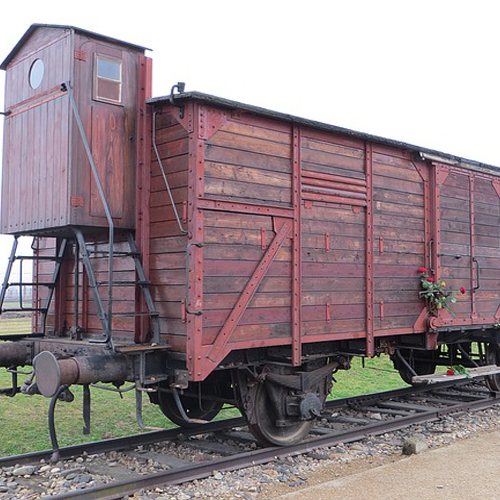
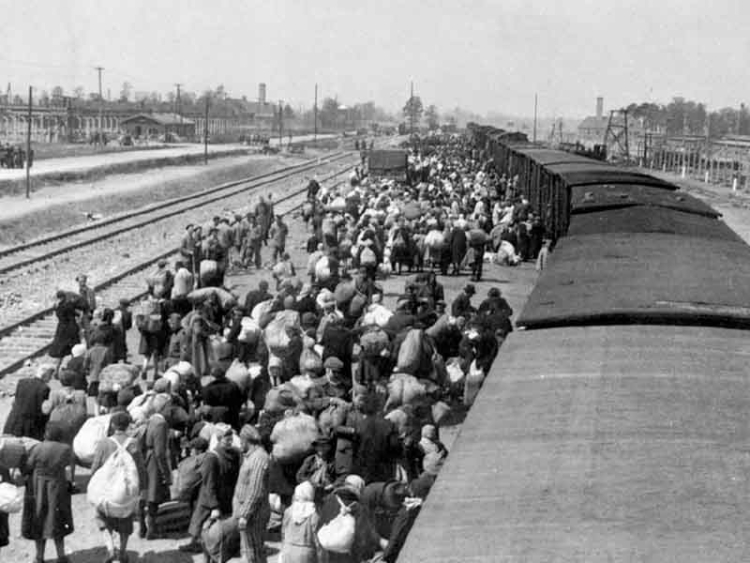
By far the largest of these was Auschwitz II-Birkenau, which was the site of over one million deaths, mainly Jews brought here from all over Europe. The smaller, purpose built 'killing' camp of Treblinka, where Warsaw's Jews were taken, was said by its commandant SS-Obersturmführer Franz Stangl to be able to murder over 1000 people per hour at its peak.
With the positioning of the Majdanek camp on the outskirts of Lublin, the Germans made no effort to disguise the killings, its slave labour, brutality, shootings and crematorium being plainly visible to passers-by.
The overarching narrative of the tour is about the shift from Polish Jews to European Jews and the evolution of policy from concentration camps to death camps.
"All in all an incredibly enriching and moving experience, I am so glad I went with The Cultural Experience. With the guides vast expertise brought everything to life. Examining events in chronological order was an amazing way to learn".
"One doesn’t need to be an expert hiker for this tour, but you need a lot of stamina – there is a lot of walking and standing, often for hours, with nowhere to sit down and rest...this was an amazing once in a lifetime experience...I thought I understood the Holocaust, but I had only superficial knowledge. I have learned so much."
What's Included
- 4 Star Hotels
- Return flights from London (optional)
- Entrance fees for sites included in itinerary
- Dedicated Tour Manager
- The company of like-minded travelers
- A three-course dinner party on 6 evenings hosted by your expert historian and tour manager
- Buffet breakfast each morning
- Two drinks i,e wine or beer at each dinner and a welcome drink on first evening
- Helpful and friendly travel advice
- Access to the Cultural Experience app
- Tour information booklet
- Modern, comfortable, air-conditioned coach
Itinerary
Day 1 - Depart
Day 1 - Depart
Fly from London to Warsaw before checking in to our central hotel for two nights (or make your own arrangements to join the tour at the hotel). (D)
Day 2 - Warsaw
Day 2 - Warsaw
A busy day exploring the Polish capital on foot to explore the key sites associated with the former ghetto and its subsequent uprising: the POLIN Museum of the History of Polish Jews, the Umschlagplatz (a holding area set up by Nazi Germany) and the Warsaw Jewish cemetery, one of the largest Jewish cemeteries in the world.(B,D)
Day 3 - Treblinka & Lublin
Day 3 - Treblinka & Lublin
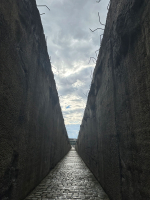
This morning we drive to the extermination camps at Treblinka, where between 700,000 to 900,000 Jews lost their lives. Operational between July 1943 and October 1943, more Jews lost their lives at Treblinka II than at any other death camp, other than Auschwitz. Here we spend time visiting the memorials to those who lost their lives. (Please note that the exhibition/museum is closed for renovations until further notice). We spend the night in Lublin, a city which had a large pre-war Jewish population and which served as the administration centre for Action Reinhardt. (B,D)
Day 4 - Belzec & Majdanek
Day 4 - Belzec & Majdanek
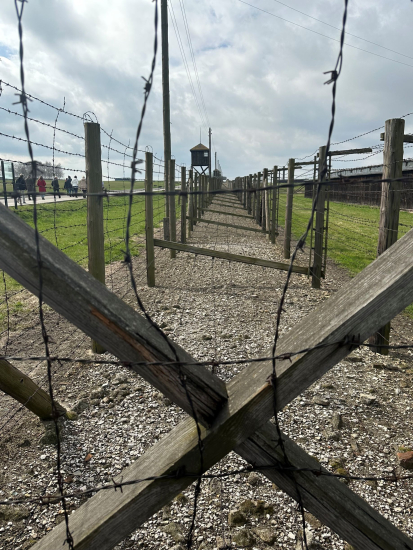
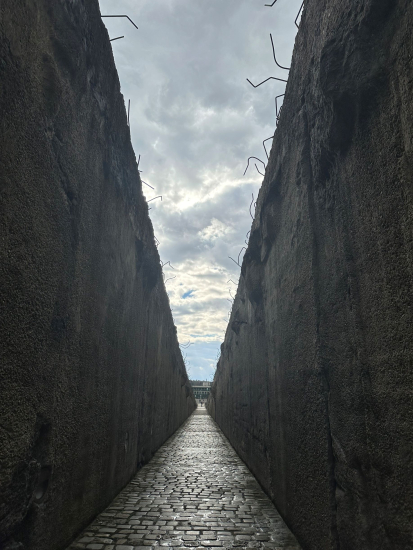
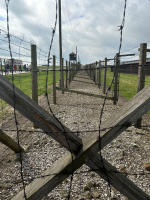
Our day will begin at the concentration camp of Majdanek, just on the outskirts of Lublin, where approximately 80,000 people from 28 different countries lost their lives. Today it is a well-preserved Nazi concentration and death camp where we find barracks, guard towers, gas chambers, crematoria, museum, “Gates of Hell” memorial and the mausoleum memorial, a gigantic structure which contains the ashes of victims beneath it. Continue to Belzec, the small but lethal death camp, where between 430,000 & 500,000 Jews lost their lives in six-months with as a few as 2 people surviving. Our hotel for the evening is based in Rzeszów. (B,D)
Day 5 - Krakow
Day 5 - Krakow
This morning we drive to Krakow where we take a change of pace and emphasis with an afternoon orientation tour of Krakow's Old Town and its busy street life. Check-in to our hotel for three nights.(B,D)
Day 6 - Auschwitz and Birkenau
Day 6 - Auschwitz and Birkenau
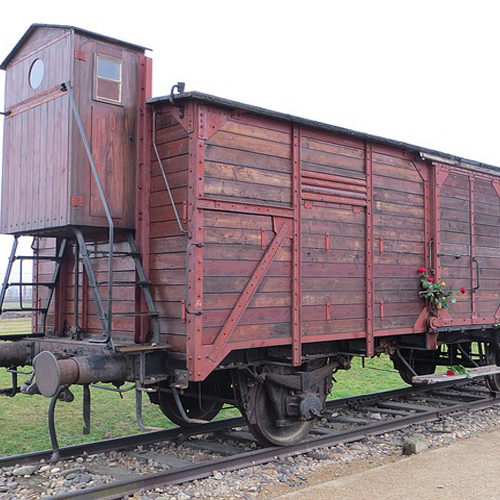
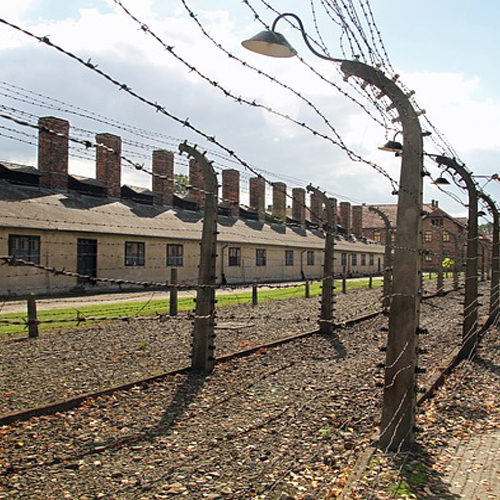
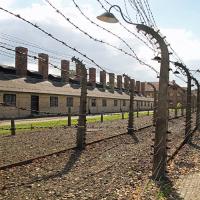
An early start as we are immersed in a comprehensive tour on foot of the concentration and death camps of Auschwitz and Birkenau. To enter the camp of Auschwitz, one passes under the infamous inscription 'Arbeit Macht Frei' mounted upon its main gate, before visiting the exhibitions in the surviving prison blocks.
In the afternoon we visit Birkenau, also known as Auschwitz II, the purpose-built camp that had hundreds of barracks and 4 massive gas chambers and functioned as the epicentre of the Holocaust during 1943 and 1944. The day at Auschwitz and Birkenau explores two large camps and will involve a good amount of walking.
This evening you are free to find your own restaurant for dinner and perhaps explore Krakow. (B)
Day 7 - Kazimierz and Wieliczka
Day 7 - Kazimierz and Wieliczka
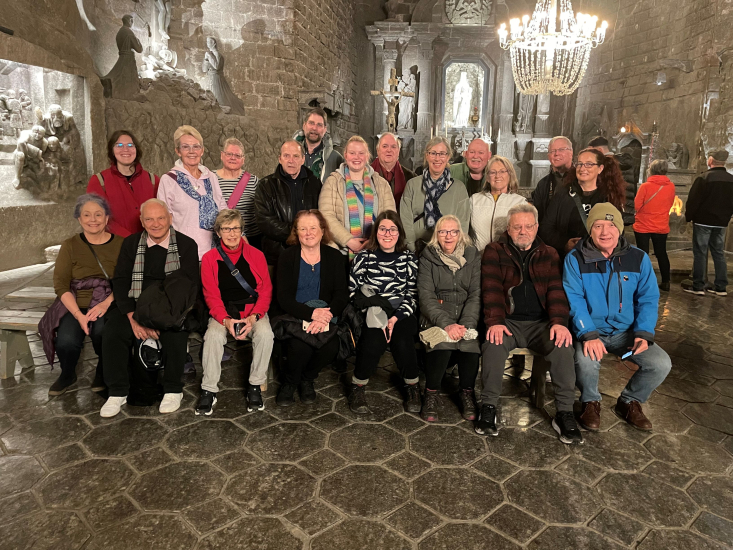
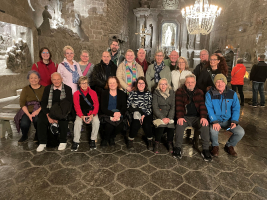
Before WW2, some 70,000 Jews lived in Krakow, mostly in the suburb of Kazimierz, which we explore on foot before visiting the Galicia Jewish Museum. We then move to the suburb of Podgórze to which in 1941 the Jewish population of Krakow were forcibly deported to live in the infamous ghetto. Our walking tour here traces some of the sites of this area including surviving remnants of the ghetto wall and the chairs monument in Ghetto Heroes Square. As a finale to the tour we visit the awesome 700-year-old salt mine at Wieliczka, its labyrinth of 300km of tunnels revealing chapels, underground lakes and a museum. (B,D)
Day 8 - Home
Day 8 - Home
Transfer to Warsaw airport for our scheduled group return flight to London or perhaps extend your stay in Poland. (B)
Please note: the group transfer from Krakow is only to Warsaw Airport for our scheduled London flight. If you are arranging your own flights, you may need to make your own travel arrangements.
Recommended Reading List
- Auschwitz : The Nazis & The 'Final Solution' published by BBC Books (2005)
- Holocaust Landscapes published by Bloomsbury Continuum (2016)
- Marching into Darkness: The Wehrmacht and the Holocaust in Belarus published by Harvard University Press (2014)
- Ordinary Men published by Penguin (2001)
- Survival in Auschwitz: The Nazi Assault on Humanity published by Prentice Hall & IBD (1994)
- The Holocaust published by HarperCollins (1989)
- Traces of the Holocaust: Journeying In and Out of the Ghettos published by Continuum (2011)