
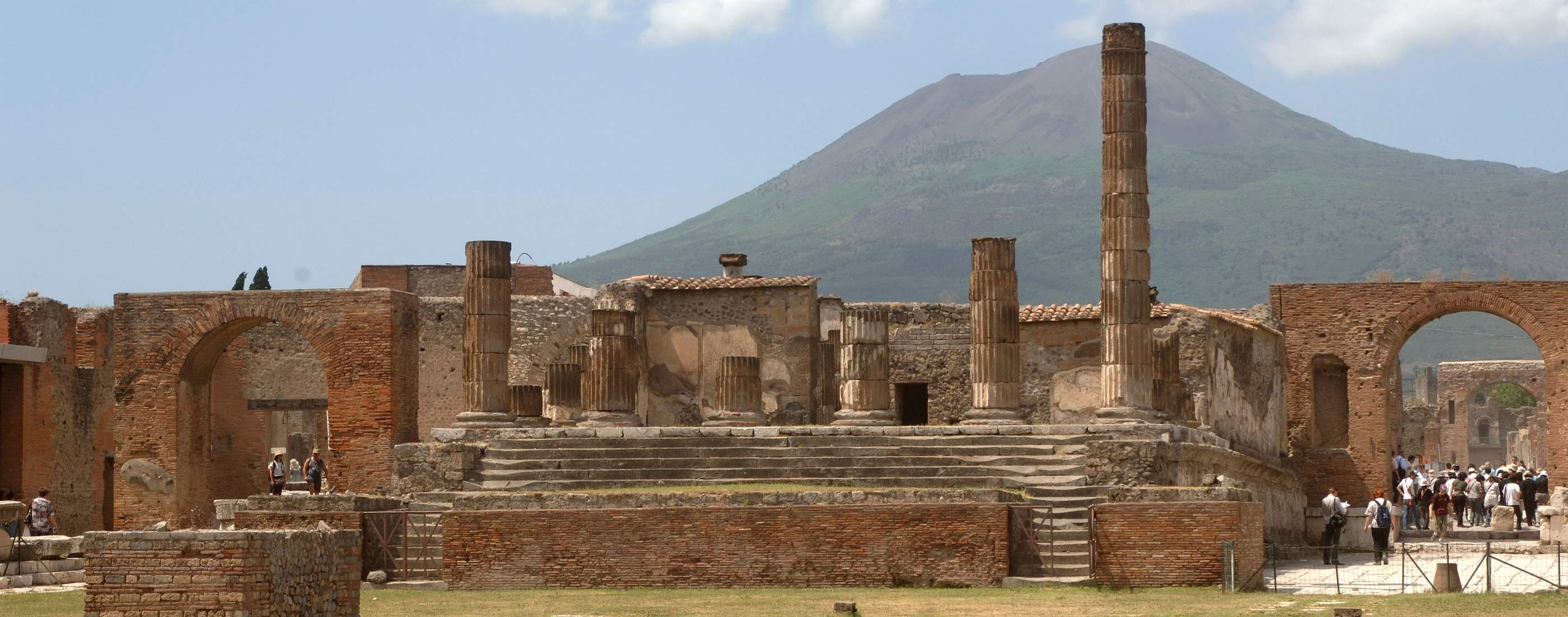
In the Shadow of Vesuvius
Pompeii and the Perished Cities of the Bay of Naples
Tour Introduction
This comprehensive archaeological tour of the Bay of Naples and the events of AD79 not only includes the well-known and impressive remains of Pompeii and the superbly preserved Herculaneum but also those lesser known, but nonetheless important sites such as the seaside villas of the wealthy at Oplontis, possibly once owned by Poppeia, wife of the Emperor Nero; Stabiae, where the frescoes are amongst the most beautiful found anywhere in the world; Cumae, the first Greek colony on the Italian mainland; Baiae, a fashionable Roman seaside resort, and Pozzuoli, the main port of the early Roman Empire.
Highlights
• Discover the Bay of Naples area in quieter months
• Explore the heart of the ancient city of Paestum
• See the 'Tomb of the Diver' at Paestum
• A whole day in Pompeii exploring the public monuments and private residences
• The impressive houses of Villa San Marco and the Villa of Poppea at Oplontis
• Explore Herculaneum
• A day exploring the area west of Naples known as The Phlegraean Fields
Tour Details
Interested in this tour but not ready to book? Register your interest using the link below and we will keep you updated on the progress of the tour.
Expert Guides
Dr Andy Fear
Dr Andy Fear was born in Morecambe and educated at Lancaster RGS and New College Oxford where he obtained his BA and D Phil (on Roman Spain). After a brief spell at Jesus, Oxford he went on to teach Classics at the Universities of Keele and Manchester. An ardent Hispanophile, his academic interests and publications cover the provinces of the Western Roman Empire (especially Britain and Spain), ancient and medieval Warfare, and the Iberian peninsula. He also has a strong interest in transport history. He spends his spare time wargaming and watching Morecambe FC.
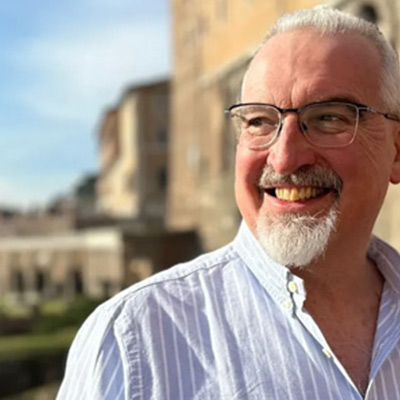
Dr Simon Elliott
Dr Simon Elliott FSA is an award winning and best-selling archaeologist, historian and broadcaster. He has a PhD in Classics and Archaeology from the University of Kent, where he is an Honorary Research Fellow, a masters Degree in Archaeology from UCL, and a masters Degree in War Studies from KCL.
Simon has published numerous books on Classical World themes, including a BBC History top 10 book of the year and a Military History Matters book of the year, and frequently appears on broadcast media as a presenter and expert on the ancient world.
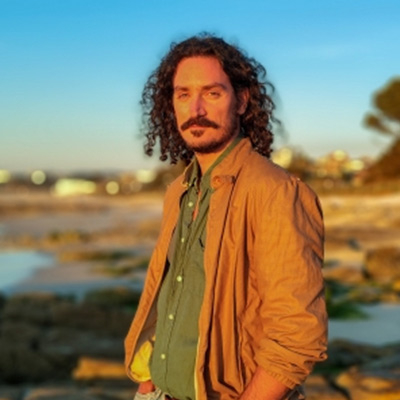
Dr Konogan Beaufay
Field archaeologist and researcher, Konogan obtained his PhD from the University of Oxford and went on to continue his research at the Centre for the Study of Classical Architecture, Cambridge. He is an expert in Roman architecture and in the ways the Romans planned, built, and interacted with their urban environment. He has a particular interest in the history of ancient baths and bathing practices. An awardee of the British School at Rome, he has also conducted research at the Freie Universität in Berlin. His archaeological endeavours have taken him to excavation sites across the Mediterranean and beyond, reaching as far as the Harappan and Inca worlds.
Background
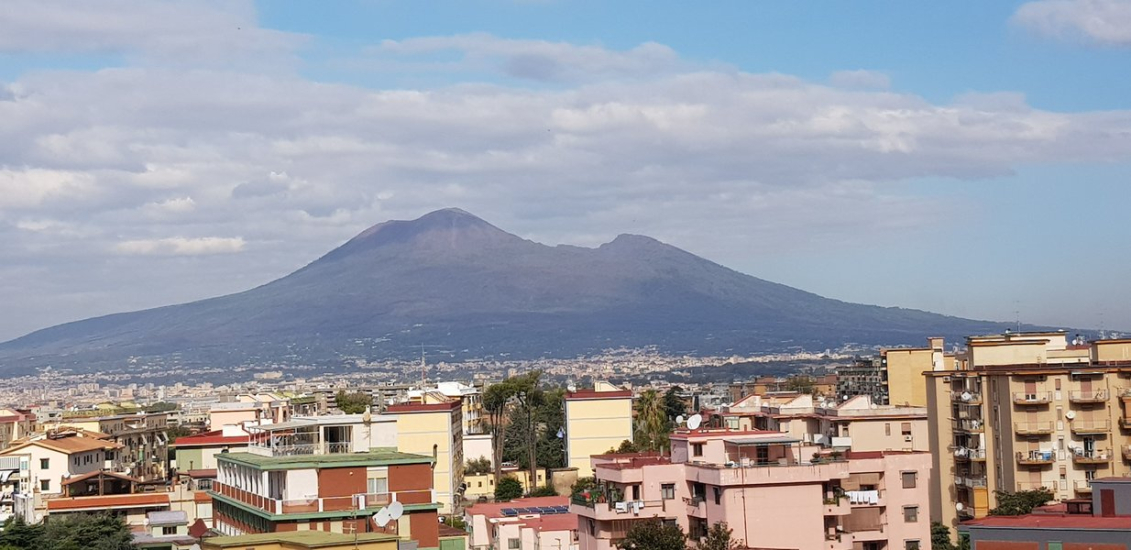
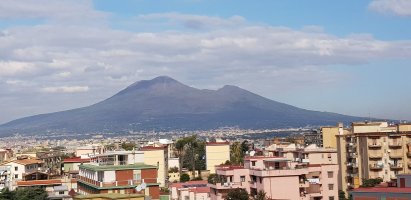
When Vesuvius erupted, pyroclastic debris was hurled more than twenty miles into the atmosphere, engulfing the entire Bay of Naples and beyond, killing thousands of people. Pompeii was not the only city to be destroyed - the inhabitants of all the neighbouring Roman resort cities, including Herculaneum and Stabiae, were also completely obliterated. The devastation wrought and the way the volcanic ash sealed and preserved everything it engulfed, has fascinated visitors since the first archaeological investigations at Pompeii in 1748. The fact that it has been the most famous archaeological site in the world for so long means that centuries' worth of repairs and restorations have added their own overlay to the Roman originals. Modern day archaeologists have to sift through not only layers of dust and ash to interpret this large city but also the theories and presumptions of the excavators that went before them.
What's Included
- 4 Star Hotel
- Return flights from London (optional)
- Expert historians throughout providing a daily variety of talks, presentations and Q&A
- Entrance fees for sites included in itinerary
- Dedicated Tour Manager
- The company of like-minded travelers
- Meals as indicated in the itinerary
- Dinner parties hosted by your expert historians and tour manager
- Two drinks i,e wine or beer at each dinner and a welcome drink on first evening
- Helpful and friendly travel advice
- Tour information booklet
- Modern, comfortable, air-conditioned coach
Itinerary
Day 1: Naples
Day 1: Naples
Fly London to Naples or make your own arrangements to join the tour at the airport. Drive to our four-star hotel for six nights. Welcome drink and dinner. (B, D)
Day 2: Paestum
Day 2: Paestum
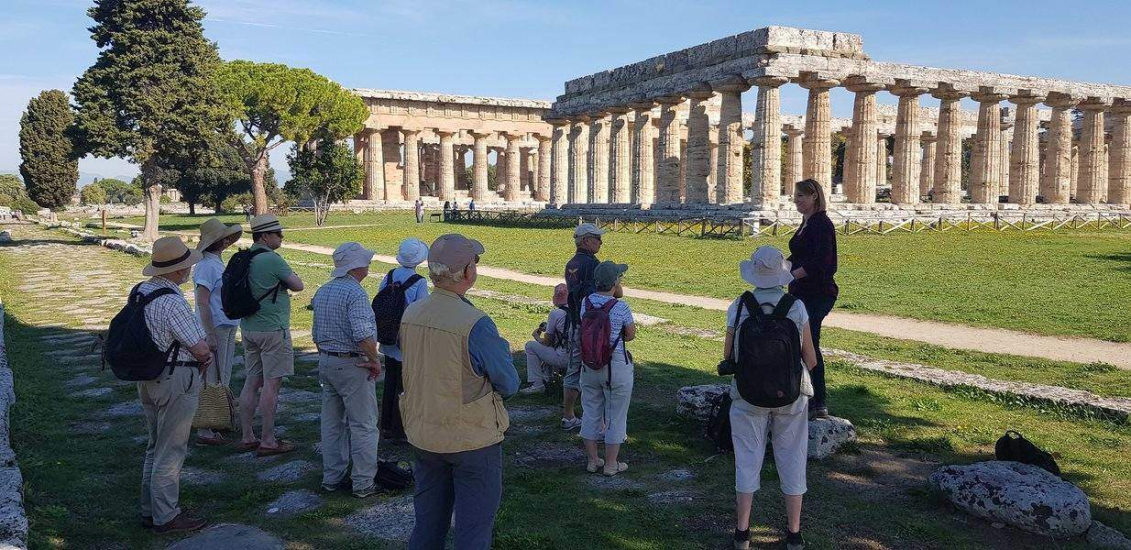
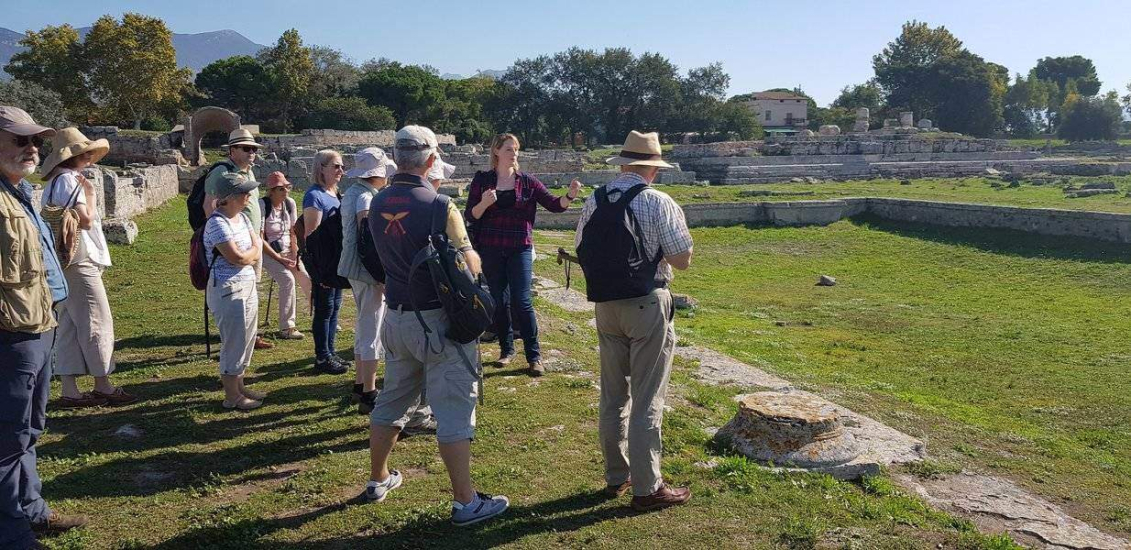
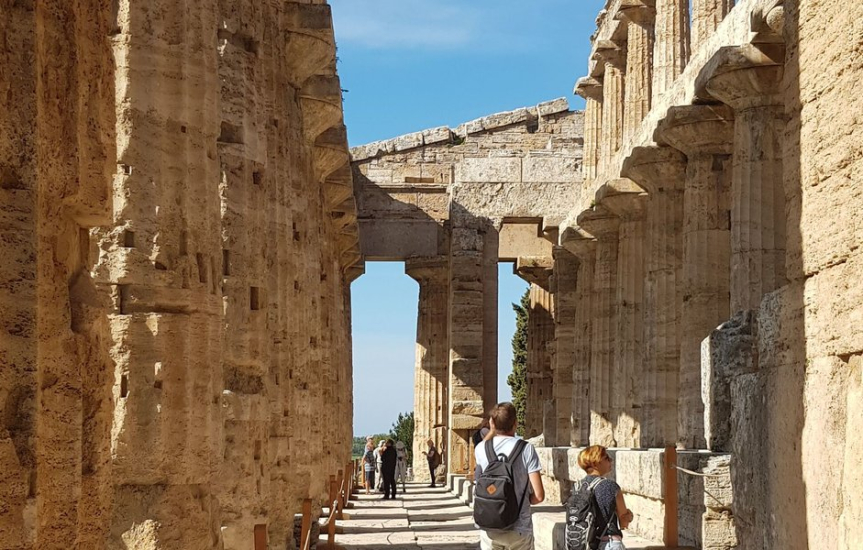
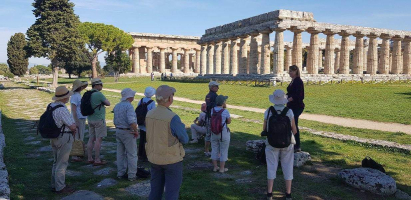
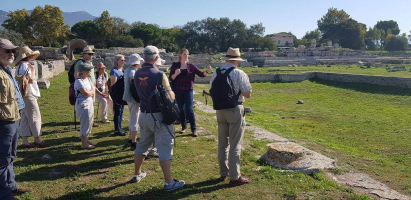
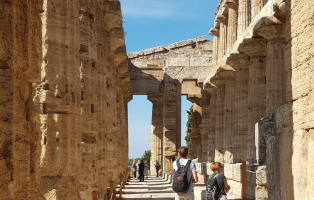
Spend the day exploring the heart of the ancient city of Poseidonia. The most dramatic sights are the three Doric temples; roofless, but still standing, these are among the greatest archaeological monuments in Italy. In the afternoon we visit the Museum which contains paintings and grave goods from tombs in and around Paestum. The most famous of these is the fresco from the 'Tomb of the Diver', the only extant painting from a Greek tomb in Italy. (B,D)
Day 3: Cumae, Baiae and Pozzuoli
Day 3: Cumae, Baiae and Pozzuoli
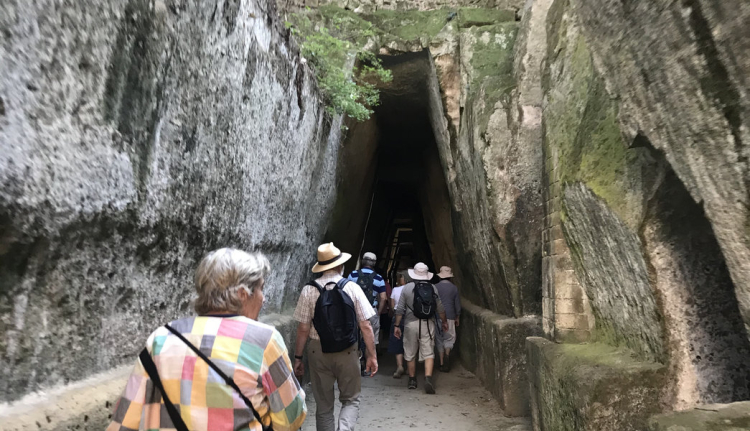
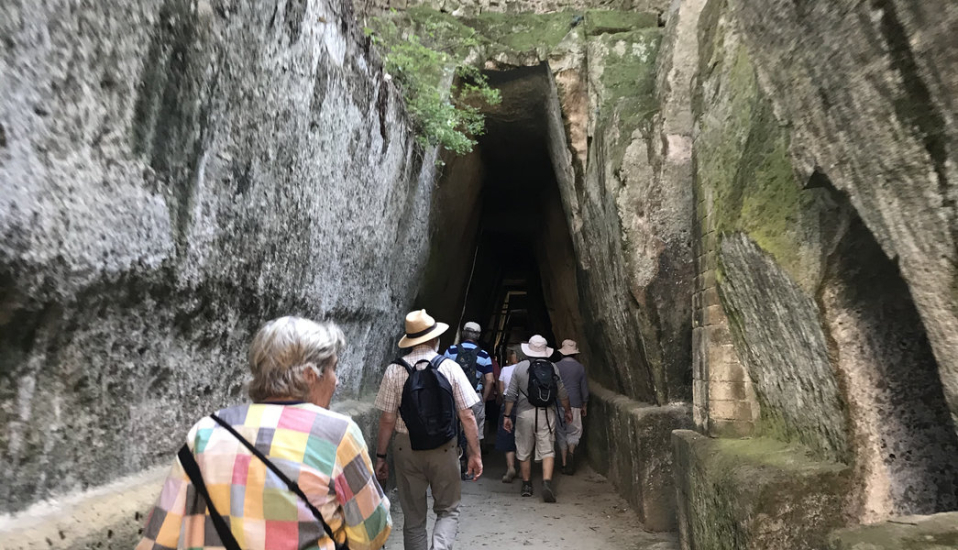
A day exploring the area west of Naples known as The Phlegraean Fields. Cumae, the epicentre of the Greek colonization of the 8th Century BC; Baiae, the home of pleasure palaces of Roman emperors; the Castello Aragonese which now houses the Archaeological Museum of the Campi Flegrei; and Pozzuoli, with its impressive amphitheatre begun by Roman Emperor Nero and finished by Vespasian. (B,D)
Day 4: Stabiae and Oplontis
Day 4: Stabiae and Oplontis
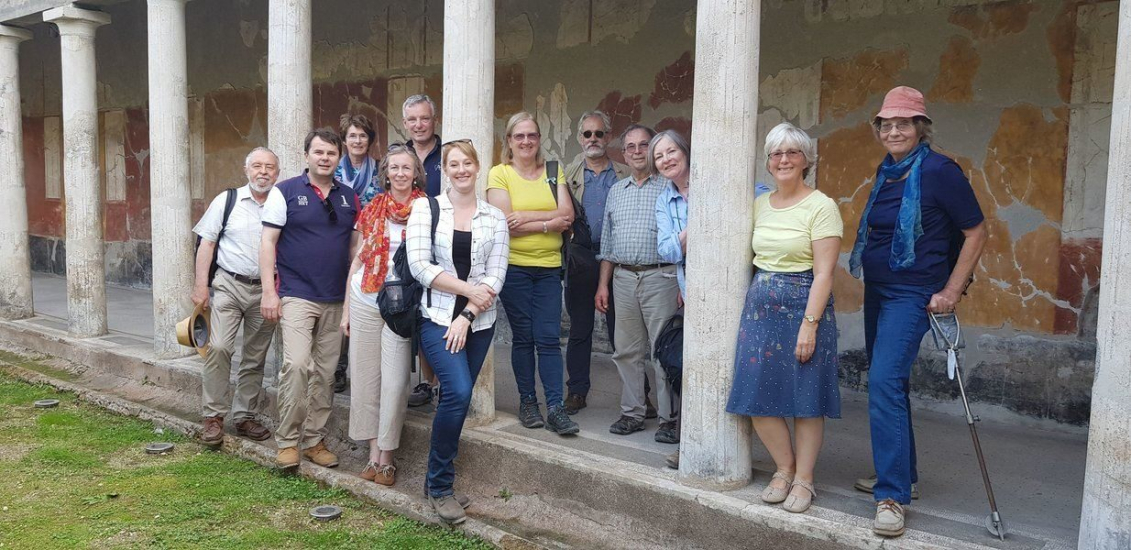
Ancient Stabiae, founded between the 7th and 6th Centuries BC, was one of the places chosen by the aristocracy of Rome to build their large luxury villas in a panoramic position on the edge of Varano Hill. It was here that Pliny the Elder met his death, probably during the last fatal surge of the pyroclastic cloud. We visit three impressive houses today - Villa San Marco, the Villa of Poppaea at Oplontis - a grand residential building on an imperial scale, with a huge pool, and cleverly designed gardens. (B,D)
Day 5: Pompeii
Day 5: Pompeii
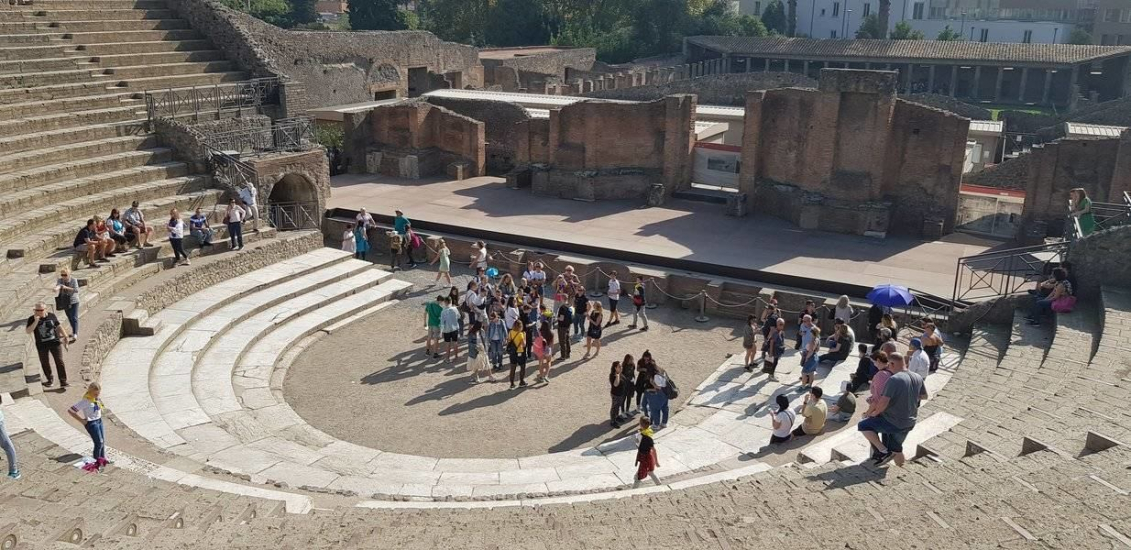
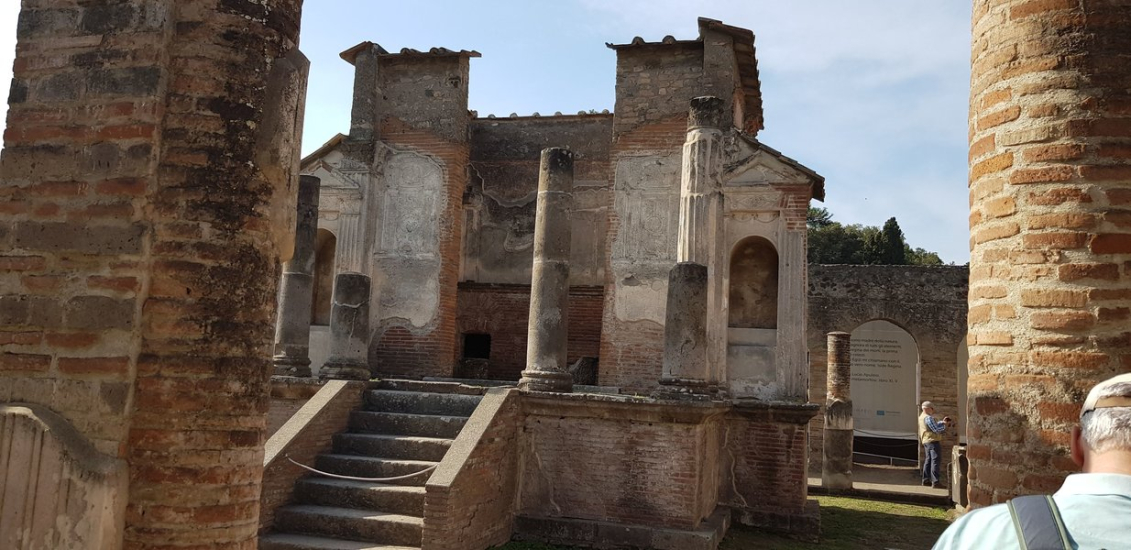
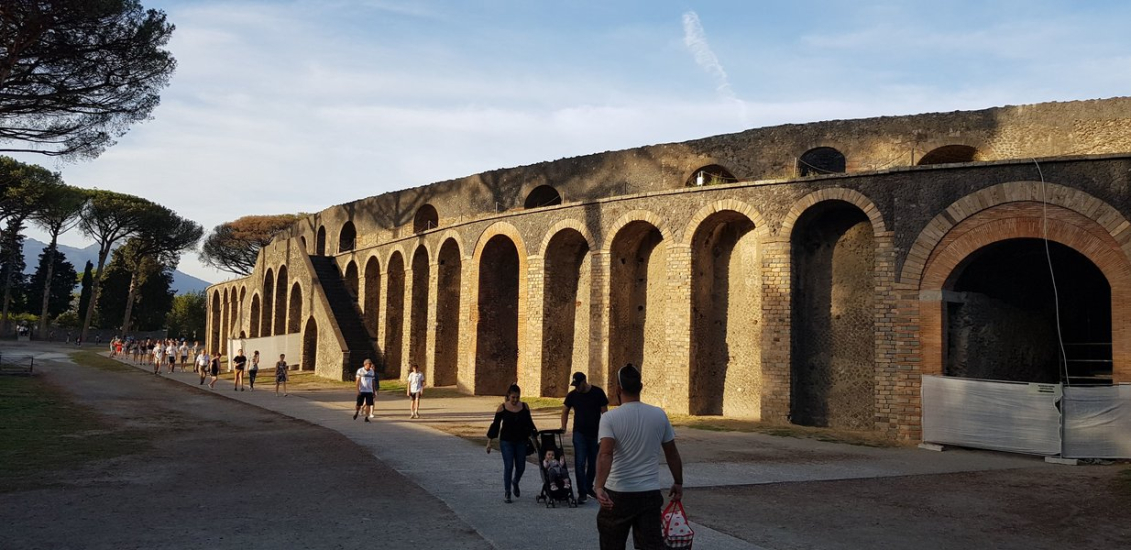
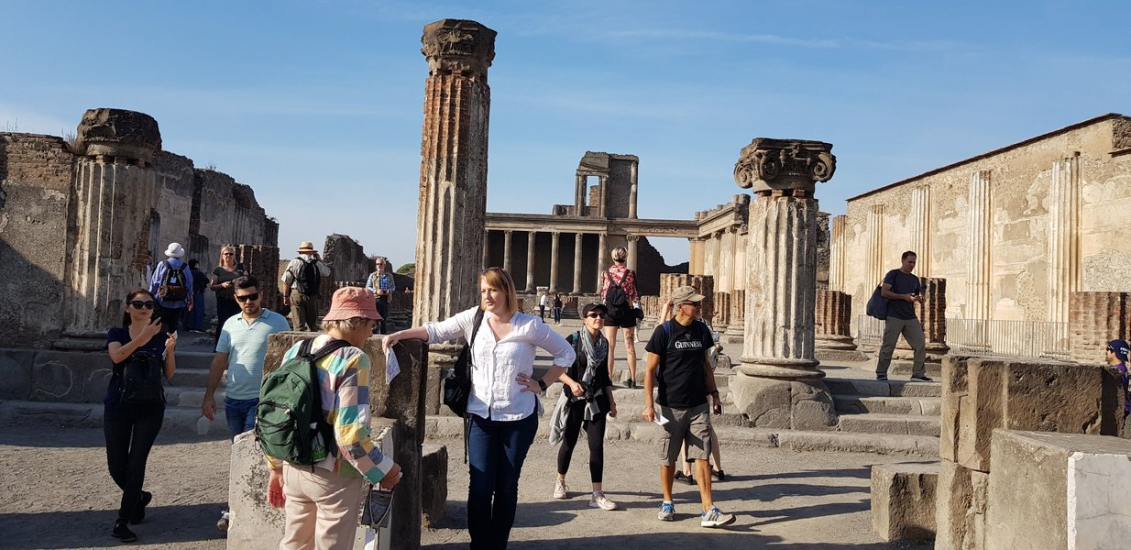
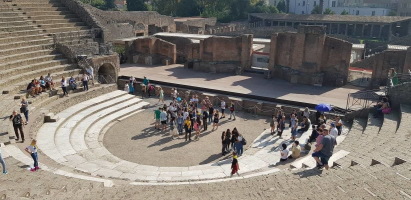
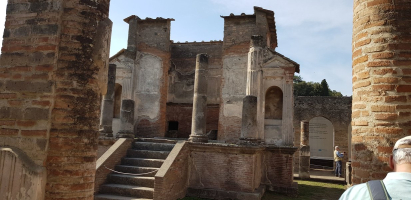
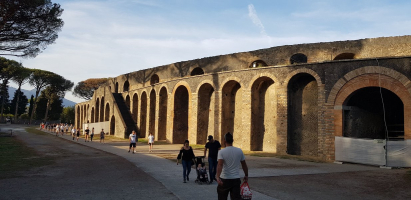
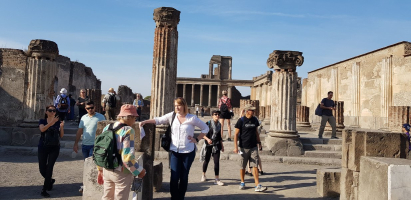
A whole day in Pompeii exploring the public monuments and private residences that best illustrate what life was like in this bustling port and market town. The fountains in the street, worn where thousands of people have rested to take a drink, the stepping stones, wheel ruts, corner shrines, bakeries, public baths, the brothel, street cafés and ancient graffiti – all of human life in AD 79 is visible here, if you know where to look. Dinner at your own expense this evening. (B)
Day 6: Herculaneum
Day 6: Herculaneum
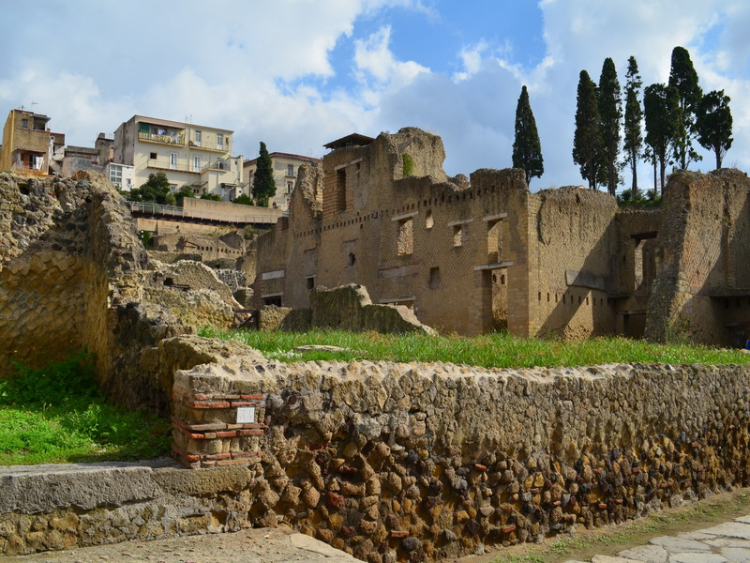
During the eruption of Vesuvius, the buildings of Herculaneum were engulfed by toxic gas and boiling mud which, as it solidified, prevented their collapse. Subsequently sealed under an airtight layer of volcanic rock, the partially excavated town now offers a unique insight into Roman life, with many buildings still with upper storeys intact and frescoes and mosaics in an excellent state of preservation. (B,D)
Day 7: Naples
Day 7: Naples
On our last morning we visit The National Archaeological Museum, great treasure trove of the Bay of Naples and home of one of the most important collections of classical archaeology in the world. Its collections notably feature the material from the Villa of the Papyri of Herculaneum and the over-life-size sculptures from the Farnese collection. Transfer to Naples for return flights home or perhaps extend your stay in Italy. (B)
Recommended Reading List
- Herculaneum: Past and Future published by Frances Lincoln (2011)
- Houses and Society in Pompeii and Herculaneum published by Princeton University Press (1996)
- Invisible Romans published by Profile Books (2013)
- Paestum: Greeks and Romans in Southern Italy published by Thames & Hudson (1990)
- Pompeii (Duckworth Archaeological Histories) published by Bristol Classical Press (2003)
- Pompeii and Herculaneum: A Sourcebook published by Routledge (2013)
- Pompeii Archaeological Guidebooks: Unpeeling Pompeii - Studies in Region published by Mondadori Electa (2000)
- Pompeii: Public and Private Life published by Harvard University Press (1999)
- The Complete Pompeii published by Thames and Hudson Ltd (2013)
- The Romans On The Bay Of Naples: An Archaeological Guide published by The History Press (2009)
- The World of Pompeii published by Routledge (2008)