The Spanish Conquest of the Incas
Gold and steel clash in the Kingdoms of the Sun
Tour Introduction
On this 15-night and 16-day tour we explore the best of Peru’s pre-Columbian archaeology and history. Starting in Lima, the country’s capital, we examine the background to the many ancient cultures of Peru by viewing a rich panoply of treasures and artifacts in the city’s museums.
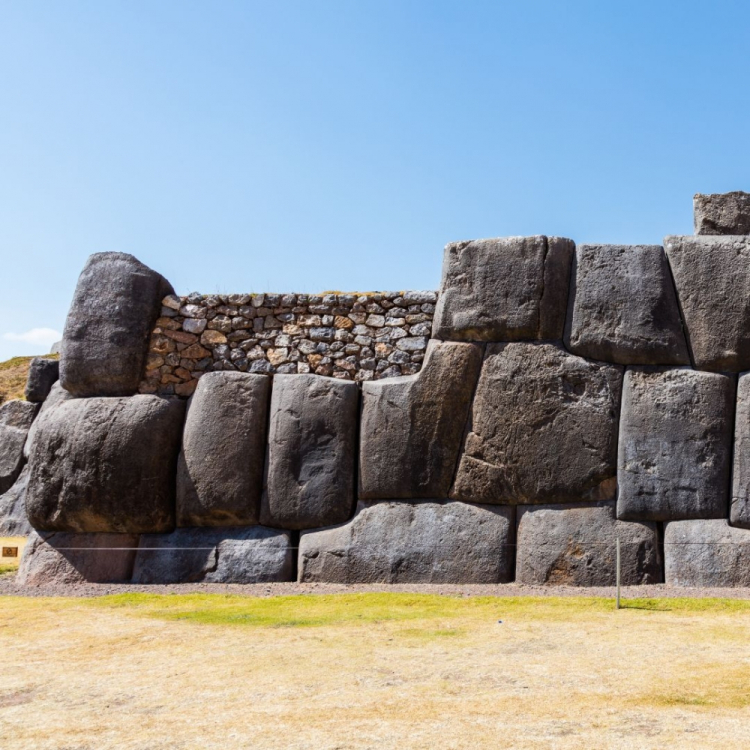
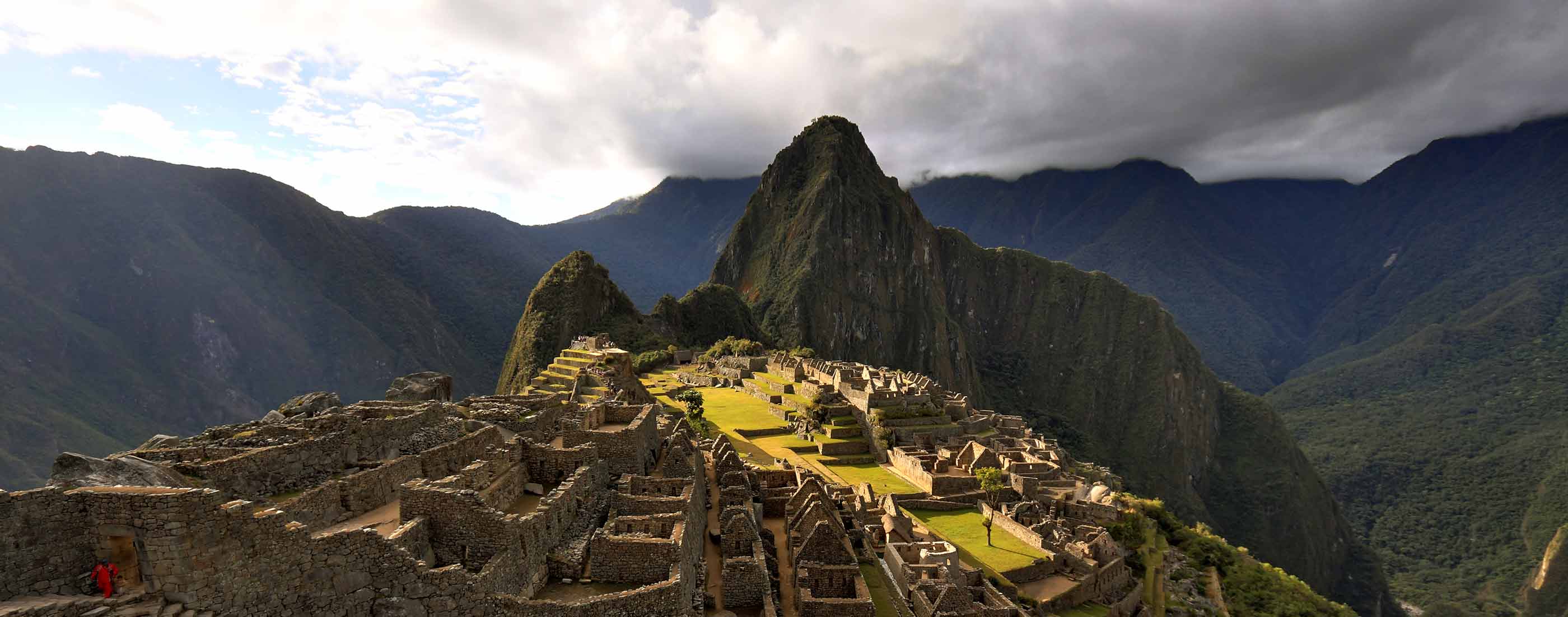
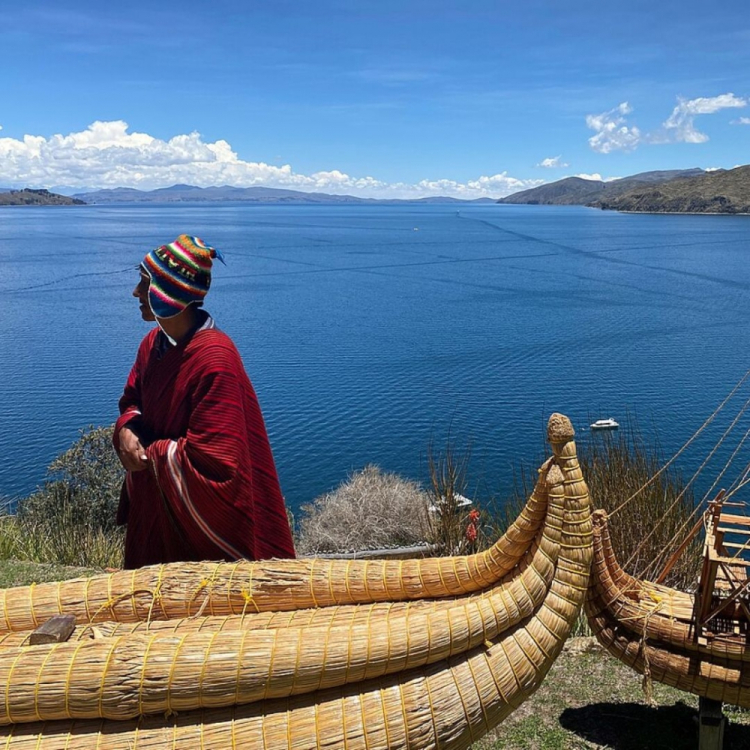
We then fly to Cuzco and explore the Inca heartlands with visits to such sites as Sacsayhuamán, Pisac and, of course, Machu Picchu. Moving on to the shores of Lake Titicaca we gain an insight into the indigenous culture of Peru when we enjoy a superb trip to the floating reed islands of Uros.
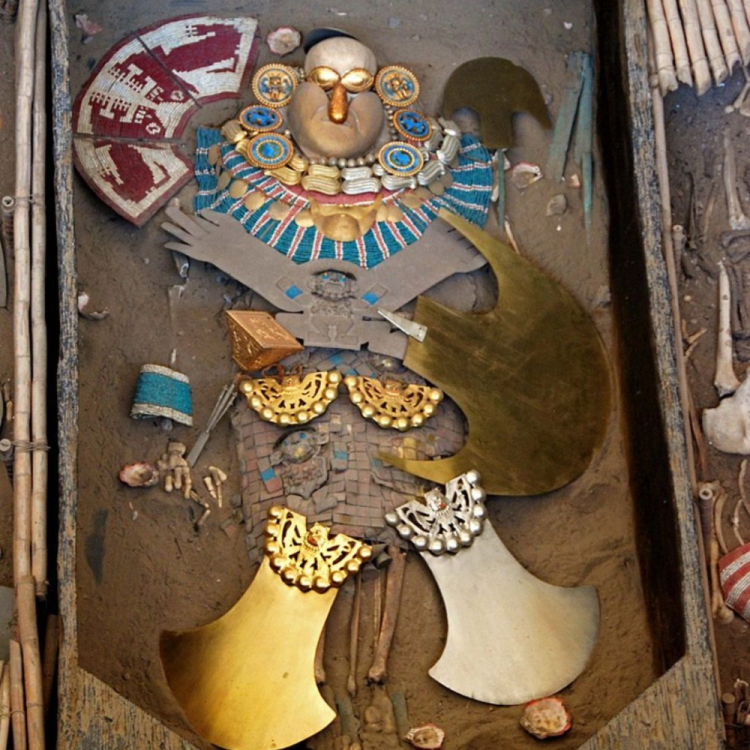
We fly back to Lima then on to the lovely city of Chiclayo where we explore the pre-Inca cultures of the Moche, Chimú and Lambeyeque. At the pyramids of Sipán we view the remarkable tomb of the Lord of Sipán whose precious ornaments – many of gold – we see in the nearby museum.
Highlights
• In the company of an expert historian and archaeologist throughout
• Visit the dramatic ruins of Machu Picchu, ‘Lost City of the Incas, and world-renowned UNESCO World Heritage Site
• Enjoy travelling in style through breathtaking mountain scenery on some of Peru’s celebrated heritage railways
• Marvel over the dazzling silver, copper and gold artwork of Peru’s innovative cultures in Lima’s museums
• Admire remarkable Inca sites at the fortress at Sacsayhuamán, the village of Pisac, and the shrine of Q'enqo
• Stay at Chiclayo and learn about pre-Columbian cultures who produced some of the world’s most stunning golden treasures including that of the Lord of Sipán
• Relax on a boat journey Lake Titicaca, the world’s highest navigable lake, and visit the extraordinary reed islands of Uros
Tour Details

Prof Nicholas Saunders
Professor Nicholas Saunders is in the Department of Anthropology and Archaeology at Bristol University. His research focuses on the archaeology and anthropology of landscape, material culture, and cultural memory of 20th and 21st-century conflict in Europe and the Middle East. Between 2006 and 2014 he was co-director of the ‘Great Arab Revolt Project’ in southern Jordan – the first archaeological investigation of the 1916-18 Arab Revolt along the Hejaz Railway from Ma’an to Mudawwara. He has worked extensively in France, Belgium, and the Slovenian-Italian borderlands on his First World War projects and museum exhibitions. His recent publications include: 'Killing Time': Archaeology and the First World War (2010), Bodies in Conflict (2014) and The Poppy: A History of Conflict, Loss, Remembrance and Redemption (2014). In 2019, he co-organized and published Dragons on the Western Front: Chinese trench art from the Collection of In Flanders Fields Museum in Ypres, Belgium. His book Desert Insurgency: T.E. Lawrence, Archaeology and the Arab Revolt was published by Oxford University Press in 2020.
Background
The Inca Empire (1438-1533 CE) was the largest and most successful South American civilization, rivaling many of the Old World’s great imperial cultures. Known as Tawantinsuyu (‘Land of the Four Quarters’), the empire stretched some 4,000 km, from Ecuador south through Peru to Chile, had 40,000 km of imperial roads, and a multi-ethnic and multi-lingual population of around 10 million inhabitants.
Based at the imperial capital of Cuzco was the cosmic temple-home of the Sun God Inti and the royal family and imperial administration. In the valleys around were Inca towns, fortresses, and temples, including the lost citadel of Machu Picchu. All of this was achieved without the wheel or draft animals, with no writing system, no iron or steel, and no money or market system.
While the Incas are the best-known Pre-Columbian civilization of South America, their success was in part built on the extraordinary cultures which preceded them.
In the Andes, by Lake Titicaca, the Tiwanaku civilization flourished between c. 200–700 CE, and the imperial Wari between 500–1000 CE. In the river valleys of the coast, vast temple-pyramids of mudbrick were built by the Moche (100-750 CE), Sicán (800-1375 CE) and Chimú (1200-1476 CE) – civilizations which have yielded some of the world’s most spectacular golden treasures in recent years.
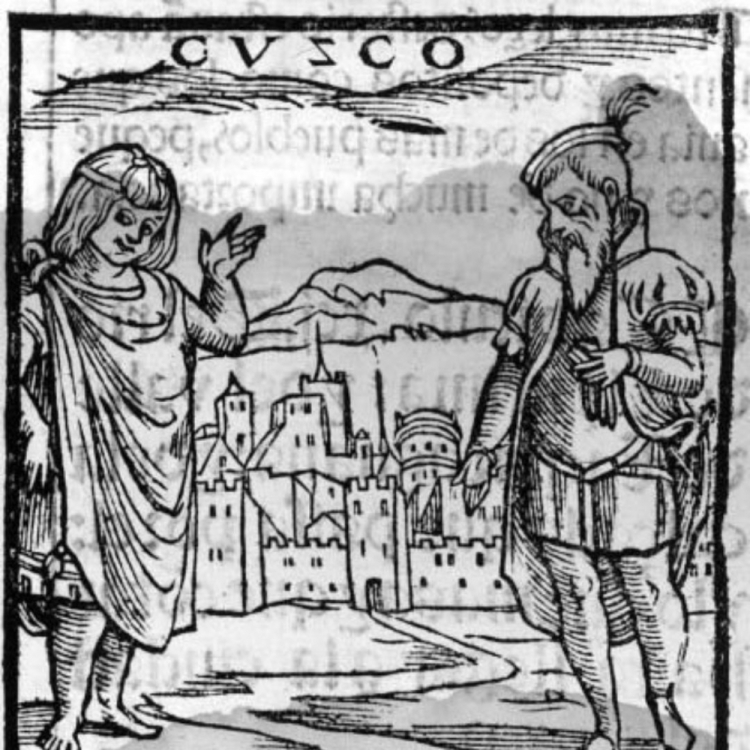
"Few romances can ever surpass that of the granite citadel on top of the beetling precipices of Machu Picchu, the crown of Inca Land"
Hiram Bingham (1875 – 1956)
What's Included
- Best available accommodation
- Return flights from London (optional)
- Dedicated Tour Manager
- Expert historians throughout providing a daily variety of talks, presentations and Q&A
- Entrance fees for sites included in itinerary
- The company of like-minded travelers
- Meals as indicated in the itinerary
- Two drinks i,e wine or beer at each dinner and a welcome drink on first evening
- All taxes and gratuities
- Helpful and friendly travel advice
- Tour information booklet
- Internal train journeys
- Internal flight(s)