To be confirmed
Tour Introduction
This 9-night and 10-day tour explores the dramatic course of the Second World War in Poland and the country’s tragic fate between the pounding forces of Nazi Germany and Soviet Russia. Occupied, oppressed and terrorised the Polish nation endured suffering on an immense scale and the tour pays tribute to the victims of racial and ethnic violence as well as those who stood up bravely to subjugation. Starting at Gdańsk where the first shots of the war were fired we enjoy the moving Westerplatte site and new Museum of the Second World War. We move via the dominating fortress of Malbork to the remarkable Wolf’s Lair, Hitler’s headquarters on the Eastern Front. We then move to Warsaw discussing the early events of the war when Germany moved rapidly across the country. At the Warsaw Rising Museum we learn about the incredible revolt against the German occupiers in 1944 and nearby examine the traces of the enormous Jewish Ghetto and its chilling narrative. We also examine the German and Soviet battles for Warsaw including a visit to the Modlin Fortress. Moving south to Wrocław we marvel over the Nazi underground complexes at Walim and Osówka to witness the enormity of the occupiers’ construction projects whose purpose remains uncertain to this day. Finishing at the beautiful city of Wrocław allows us to enjoy the spectacular culture, architecture and gastronomy of Silesia.
Travelling by comfortable coach, staying in the region’s best hotels, and eating in quality restaurants we move through some of the most evocative sites of the war in eastern Europe.
Background
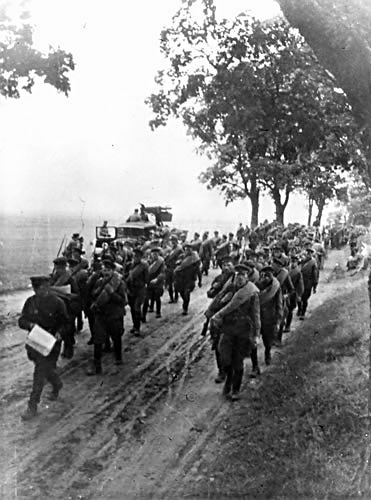
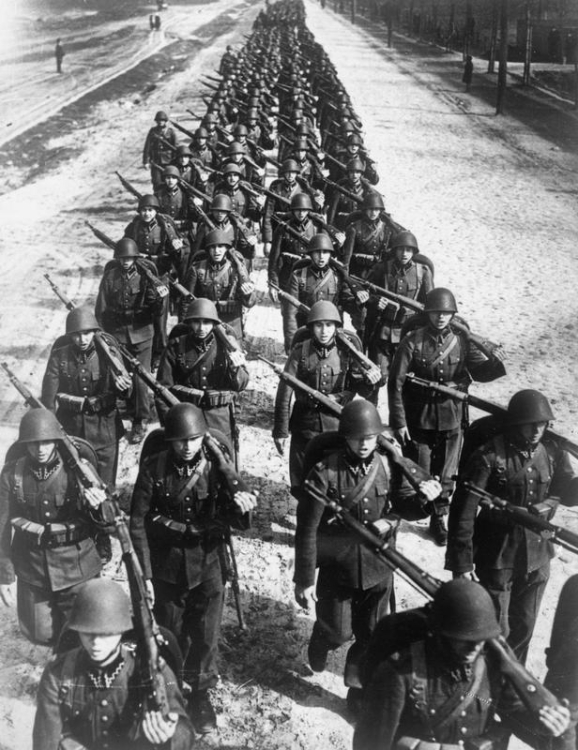
In 1918 the independence of Poland was restored after 123 years of foreign dominance. But trapped between the growing menace of a resurgent Germany and a meddling Soviet regime the country faced an uncertain future. The signing of the Molotov-Ribbentrop pact in 1939 spelled disaster for Poland and Germany invaded on 1st September followed by the Soviets on 17th. German forces pushed Polish armies back to successive defensive lines but after the repulsion of a brave Polish counterattack at the Bzura and defeat at the Battle of Kock the Second Polish Republic ceased to exist. Under dual occupation Poles suffered immeasurably and on the German side Jews started to be annihilated en masse. The failed Warsaw Ghetto (1943) and Warsaw (1944) risings, as well as a determined resistance movement, failed to throw off the shackles of occupation. On 22nd June 1941 Hitler turned on his erstwhile ally and ordered the invasion of the Soviet Union under Operation Barbarossa. Poland in its entirety became part of the Nazi Empire until a massive Soviet counterattack under Operation Bagration (June-August 1944) expelled German forces from Soviet territory and eventually liberated Poland. The war was over but Poland had suffered enormous physical and material destruction and the loss of an estimated 17% of its population.
Highlights
• Travel in the company of an expert historian and specialist in the war in Eastern Europe
• Visit key sites connected with the war including Westerplatte, Modlin Fortress and Malbork Castle
• Tour the enormous Nazi bunker complexes of the Wolf’s Lair and Mamerki, the former the site of Von Stauffenberg’s assassination attempt on Hitler
• Explore the events of the 1944 Rising and battle for Warsaw at the Warsaw Rising Museum and Palmiry Massacre site
• Visit some of the best military museums in Poland including the newly opened Museum of the Second World War in Gdańsk
• Stand at the exit of 'Harry', the tunnel through which the ‘Great Escape’ was made at Stalag Luft III
• Go underground to witness the huge Nazi construction projects at Włodarz and Osówka
"To be defeated and not submit, is victory; to be victorious and rest on one's laurels, is defeat"
Józef Piłsudski (1867-1935)
Itinerary
Day 1 - Arrival
Fly from London to Gdańsk airport (indirect) and transfer to our hotel or if making your own travel arrangements meet us at the hotel. Check-in. Before dinner we briefly visit the Gdańsk Post Office building (outside only) which was heroically defended by postal workers against German forces for an incredible 15 hours on 1 September 1939. Eight were killed and most of those who surrendered brutally executed. Hotel in Gdańsk – 2 nights. (D).
Day 2 – Gdańsk - The War’s Beginnings:
The day starts at Westerplatte where in the early hours of 1 September 1939 German battleships opened fire on the Polish garrison, launching World War 2. Here we see the twisted remains of a guardhouse, now a poignant memorial, and the prominent memorial to the Polish defenders. We then visit the newly opened Museum of the Second World War which through a combination of full-scale dioramas, uniforms, weapons, recorded testimonies, documents, films and interactive displays traces the course of the war and its ‘long shadow’ in Poland. Our afternoon is spent at the Stutthof Nazi concentration and extermination camp, the first set up outside the borders of Germany, where as many as 65,000 prisoners perished. Because of our late arrival on day 1 this evening we enjoy our Introductory talk and welcome drinks. (B, D).
Day 3 – Teutonic ancestors
We travel to the massive brick-built edifice of Malbok (Marienburg) Castle, founded by the Teutonic Knights in the thirteenth century in what became a typical Auslandsdeutsche town. Half the castle was destroyed in 1945 in fierce battles between German and Soviet forces but it has now been faithfully restored in Gothic splendour. Drive to the Masurian Lakes region and our hotel near Mamerki for two nights. (B, D).
Day 4 – The Führer’s Lair
We spend the morning at the Wolf’s Lair, Adolf Hitler’s colossal bunker complex from 1941, where he directed German movements on the Eastern Front. In 1945 massive amounts of explosives laid by retreating German forces failed to completely destroy these huge structures nestled in the Gierłoż forest. Today we are able to wander around this shattered and eerie site where Hitler survived an assassination attempt by Colonel Claus Von Stauffenberg in July 1944. We move on to the Mamerki Bunkers complex, headquarters of German Land Forces which was left largely intact at the end of the war. Here we marvel over a gigantic bunker whose walls and ceilings are over 7 metres thick. (B, D).
Day 5 –The Fall of Warsaw and the Palmiry Massacre
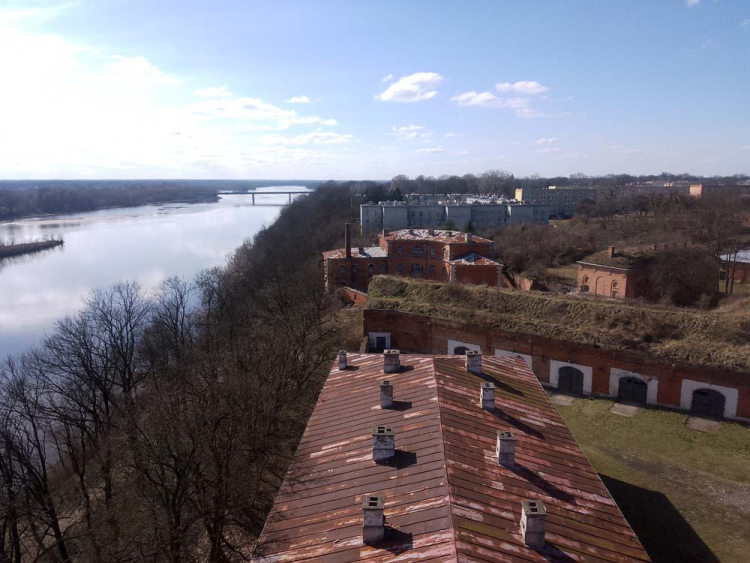
Drive to the infamous Palmiry massacre site near Warsaw where Polish civilians were murdered in secret by SS and Gestapo officers from 1939. We then visit the dominating Modlin Fortress where we learn about the events of September 1939 when it served as a defensive strongpoint for Polish forces before surrendering. The adjacent Museum of the September Campaign outlines the dramatic events in the area which led to the ultimate defeat of Poland. Hotel in Warsaw – 2 nights. (B, D).
Day 6 – The War in Warsaw
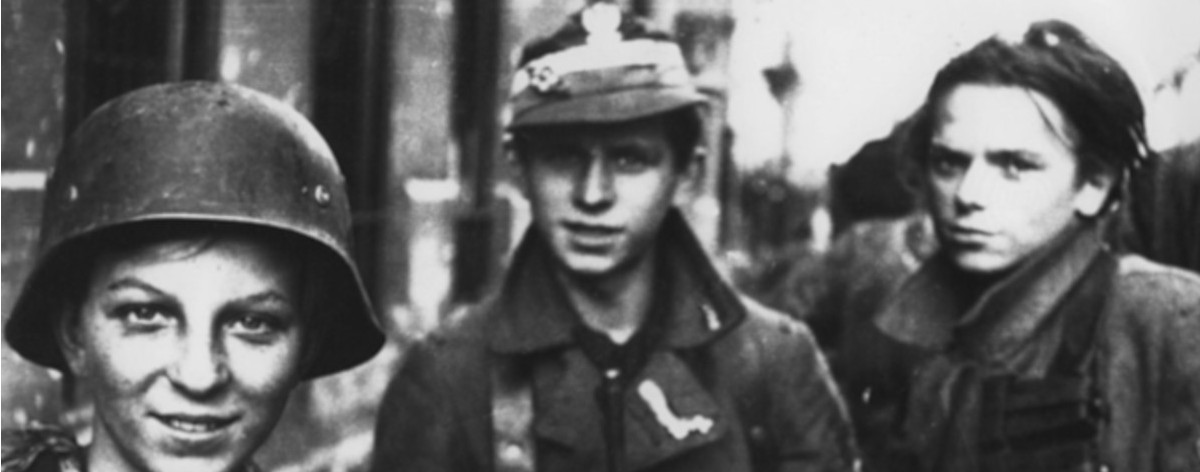
A day spent exploring the events of the war in central Warsaw starting at the Warsaw Rising Museum which relates the story of the bitterly fought rebellion against Nazi control waged between 1 August and 2 October 1944. Here we learn about the bravery of the local population, the savage nature of the fighting and its aftermath, and how the city’s destruction shaped the modern cityscape we see today. We then embark on a walking tour of the Ghetto area to learn about the tragic plight of the Jewish population and the incredible uprising of 1943 - the largest revolt by Jews in the war. We will see the remains of the Ghetto wall, the sites of important buildings and the Umschlagplatz (assembly point) from where over 250,000 Jews were transported to their deaths at Teblinka. (If open we will visit the new Ghetto Rising Museum). (B, D).
Day 7 –Wrocław
This morning we visit the Katyn Museum which documents one of the worst atrocities of the war in the east when nearly 22,000 Polish officers, police and intelligentsia were shot by the Soviet NKVD in western Russia. The museum illustrates this terrible series of events through a mixture of material relics excavated from death pits and personal and official documents. Take an afternoon train to Wrocław. Hotel in Wrocław– 3 nights. (B, D).
Day 8 – The Great Escape
Travel to the town of Zagan, site of the infamous Stalag Luft III prison camp, where Allied airmen were held from 1942. Only two escapes were made from here depicted in the largely fictional films The Wooden Horse (1950) and The Great Escape (1962). Of the three secret tunnels which feature in the latter film - Tom, Dick and Harry – the outline of Harry can still be seen. Return to Wrocław for some free time in the city. Dinner at your own expense. (B).
Day 9 – The Nazi Underground Cities
Tour the incredible Nazi underground tunnel complexes at Walim and Osówka, testimony to the enormous efforts made to shelter the German war machine from aerial bombardment and discovery. Here we explore sections of the kilometres of tunnels whose purpose to this day remain a mystery due to lack of documentation. (B, D).
Day 10 – Depart:
Travel to Wrocław airport where the tour ends unless you are returning with us to London. (B).